
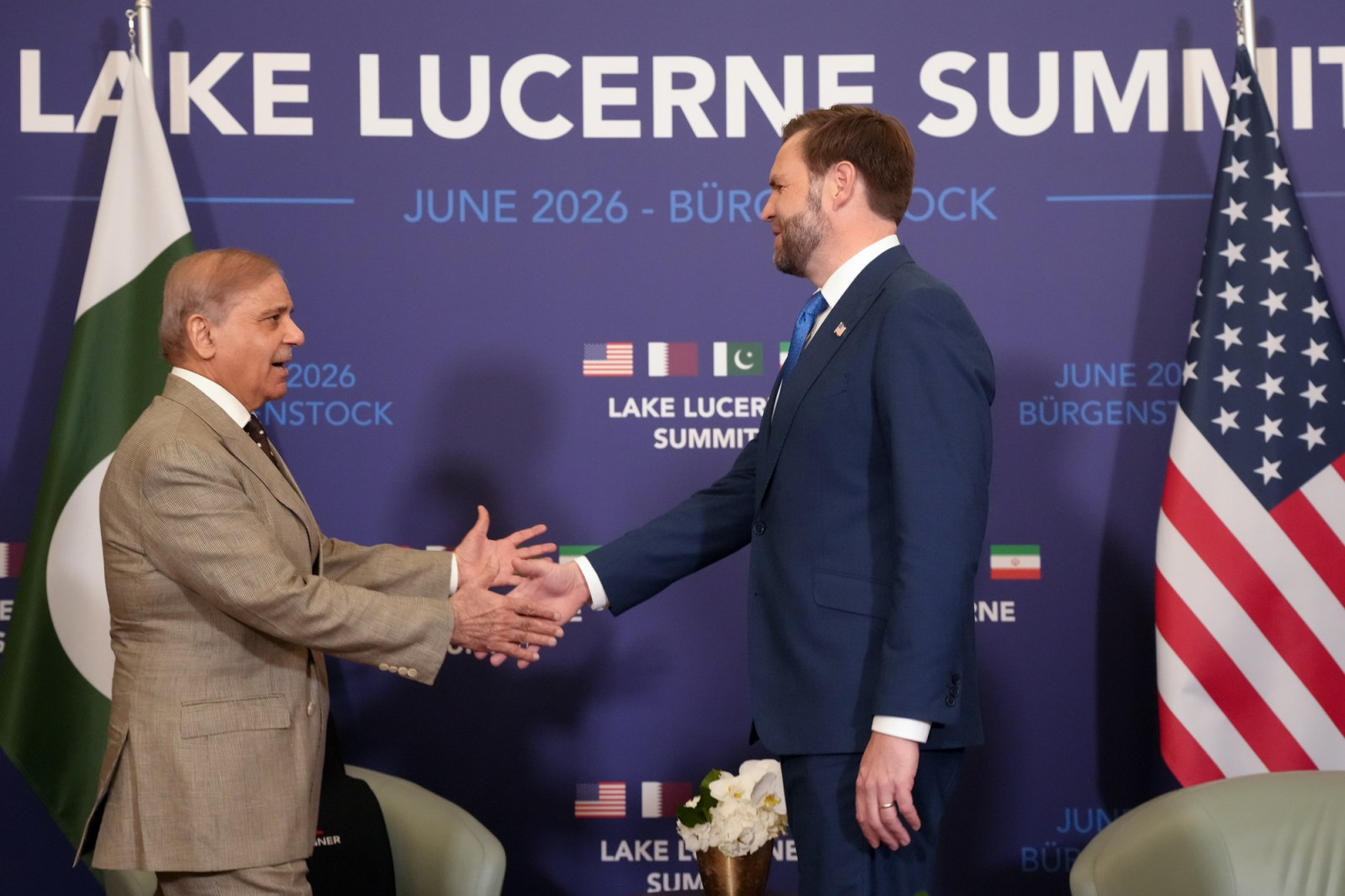
Republicans spent years criticizing former President Barack Obama’s 2015 Iran nuclear deal, arguing it offered too much sanctions relief for limits they deemed weak, temporary, and easily reversible. Now, as President Donald Trump works on a new Iran agreement, similar arguments are emerging against a framework from a Republican president.
Trump’s Framework and Negotiations
President Trump’s memorandum of understanding (MOU) with Iran is still being negotiated, with details expected within 60 days. On Monday, Trump stated on Truth Social that the final deal aims to end the Iran conflict, beginning in late February, and will include strong inspection measures. “Everybody is fully aware that Iran will agree to have Major Weapons Inspections to ensure ‘Nuclear Honesty’ long into the future,” he said.
The administration emphasizes ongoing discussions. A senior U.S. diplomat informed Newsweek of “robust discussions” on nuclear issues, the Strait of Hormuz, and deconfliction mechanisms in southern Lebanon involving Israel and Hezbollah. The current framework serves as a foundation for further technical talks.
Despite this provisional stage, early politics reflect concerns over sanctions relief, inspections, uranium enrichment, and congressional approval. Republicans’ concerns mirror their past criticism of Obama’s deal.
Republican Criticism Repeats
White House spokeswoman Olivia Wales countered the criticism, telling Newsweek: “President Trump and his negotiating team have brokered an excellent, performance-based MOU that advances U.S. interests by ending the fighting, reopening the Strait of Hormuz to significantly lower energy prices, and forcing Iran to abandon its nuclear ambitions.”
Familiar Objections
In 2015, Obama presented the JCPOA as a comprehensive, verifiable deal blocking Iran’s nuclear weapon paths. Republicans opposed it, highlighting:
- Excessive early sanctions relief for Iran
- Temporary nuclear limits
- Lack of full dismantlement of Iran’s nuclear program
- Absence of binding congressional approval
These same points influence responses to Trump’s framework. Republicans criticized the JCPOA’s narrow focus on nuclear issues, overlooking Iran’s missile program and regional activities, a critique now resurfacing.
Cotton, Cruz, and Graham’s Views
Senator Tom Cotton of Arkansas, a prominent JCPOA critic, warned that agreements bypassing Congress risk reversal. Although more measured about Trump’s framework, his concerns remain familiar. He cautioned on Fox News about “certain aspects of this deal” that could diminish U.S. leverage over Iran.
Senator Ted Cruz of Texas, another vocal JCPOA critic, described Obama’s deal as “a catastrophic mistake.” Recently, he voiced concern over financial benefits to Iran without strong guarantees. He suggested, “History teaches that granting billions to theocratic regimes craving our destruction is inadvisable,” as cited by The Hill.
Senator Lindsey Graham of South Carolina expressed skepticism about Trump’s framework’s permanence while acknowledging it as a diplomatic trial. During a CBS News ‘Face the Nation’ segment, Graham remarked: “Let’s try a diplomatic solution. I think it’ll fail. What happens next?”
GOP Consensus
Other Republicans echo these themes. Senator Roger Wicker of Mississippi criticized Trump’s framework for limiting “Operation Epic Fury” victories. Meanwhile, Senator James Lankford of Oklahoma stressed that a lasting agreement should undergo congressional ratification for greater stability. He argued the JCPOA “opened a pathway towards a nuclear weapon post-Obama presidency.” Across the GOP, consistent priorities are:
- No premature sanctions relief
- Verifiable inspections
- Enrichment limits
- Congressional support for agreements
Trump vs. Obama
Trump called the JCPOA “a nuclear weapon gift” to Iran, criticizing Obama. This April, on Truth Social, Trump claimed terminating the deal prevented nuclear weapons use against Israel and U.S. bases. Conversely, Obama contended any new agreement may offer little improvement over the JCPOA, potentially costing more. He expressed doubt on ABC News about significant differences or improvements from the previous deal, which worked until the U.S. withdrew.
Contact Newsweek editor on this story: Anthony Murray.