
Brexit’s Effect on British Politics
Brexit led to significant changes in the European Union’s structure and disrupted British politics. Since the referendum on June 23, 2016, when 52% of Brits voted to leave the EU, the UK has seen political upheaval. Prime Minister David Cameron called for the referendum and supported remaining in the EU. He resigned the day after the result. His successors have struggled with the consequences of leaving.
Labor Prime Minister Keir Starmer is stepping down after two years due to a weak economy, inefficient governance, and a divided electorate. These issues are linked to Brexit. Though Brexit is less in the spotlight now, its impact on British politics remains evident.
The Brexit Campaign
Brexit campaigners emphasized sovereignty. They claimed leaving the EU would give the UK control over laws, the economy, and borders. The remain campaign highlighted economic risks, while the leave campaign focused on emotional appeals.
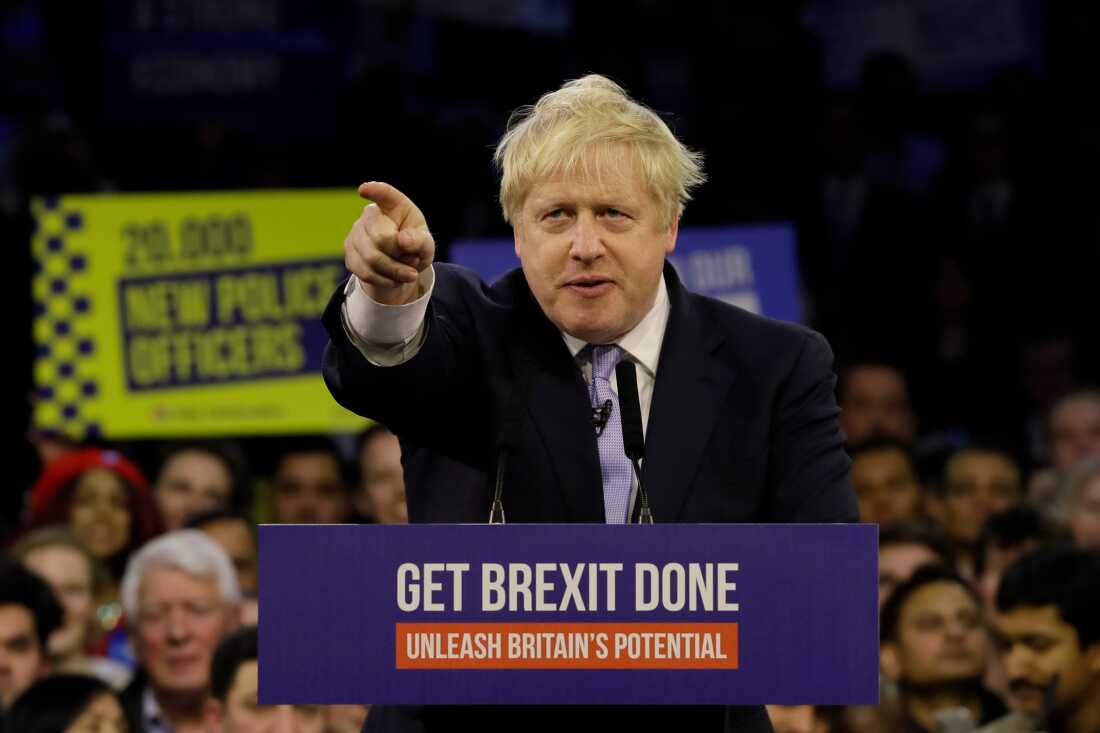
Boris Johnson, a leading figure in the Brexit campaign, expressed optimism about leaving the EU, calling it a chance to “walk through that door” to better opportunities.
According to Margaret MacMillan, a history professor, Brexit stemmed from multiple motives, including a nostalgic view of Britain’s past. Concerns about unchecked immigration and EU regulations also played a role.
Challenges in Implementing Brexit
Brexiteers’ promises collided with reality. Controlling immigration, securing trade deals, and improving public services proved difficult. Complex negotiations with the EU took years. The UK officially left the EU on January 31, 2020, followed by an 11-month transition.
Prime Minister Theresa May couldn’t secure satisfactory exit terms and resigned in 2019. Boris Johnson pledged to complete Brexit, achieving a basic trade deal. He faced scandals and was replaced by Liz Truss, who lasted 49 days. Rishi Sunak improved relations with the EU but made no major changes.
Starmer sought a reset but avoided rejoining the EU’s single market. As he leaves office, Brexit remains unresolved.
Party Fractures
Historian Anthony Seldon noted that the referendum aimed to end internal disputes within the Conservative Party. It failed. Brexit antagonists continue to focus on EU relations despite ongoing issues.
Within the Labour Party, pro-EU members clashed with colleagues preferring less EU engagement. Voters have moved to parties like the Green Party and Reform UK led by Nigel Farage. Farage campaigned for Brexit and then criticized its handling. His party is now popular.
Growing Cynicism and Tensions
Britain’s economy stumbled in recent years due to challenges beyond Brexit, including COVID-19, the Russia-Ukraine war, and regional conflicts. Politicians failed to offer realistic solutions, causing public dissatisfaction.
Although Brexit did not resolve immigration debates, migration numbers rose post-Brexit and then fell. Rising cynicism and distrust in government fueled anti-immigration violence.
The boundary between political dialogue and street violence blurred. Brexit contributed to this shift.
Public Regret
Polls suggest regret over Brexit. An Ipsos survey found 52% want to rejoin the EU, while 33% oppose. Recent marches in London have decreased compared to Brexit’s peak, indicating shifting public focus.
Many desire to move forward, but Brexit remains a contentious issue. Reevaluation of the Brexit legacy could address Britain’s persistent political challenges.