
AI’s Role in Heart Health
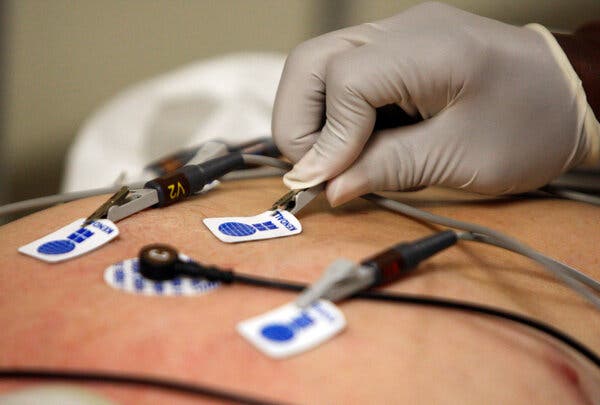
Artificial intelligence programs have a unique ability to identify patterns in electrocardiograms that human eyes might miss. A newly developed AI program is now being offered to doctors at no cost.
Clinical Trial Success
A clinical trial demonstrated the effectiveness of the AI program, identifying potential severe heart damage in a 45-year-old patient. Gina Kolata, an experienced writer on heart disease, highlights the remarkable advancements in heart disease detection.
A Life-Saving Diagnosis
Louie Quiros, working as a caregiver and security guard, visited a Queens emergency room in February 2025. For several days, he suffered from persistent coughing and labored breathing. Despite a rapid heartbeat, his chest X-ray seemed normal. An ECG was performed, hinting at possible coronary heart disease, a rare condition for someone of his age, but ultimately not the source of his symptoms.
Exposure to wildfire smoke during a trip to California likely contributed to his respiratory issues, leading to a prescription for asthma medication and an inhaler.
EchoNext’s Crucial Analysis
The emergency room was part of NewYork-Presbyterian’s system, where researchers analyzed ECGs with the AI program EchoNext. This initiative, part of a clinical trial, aimed to detect heart damage patterns unnoticed by human experts. Dr. Pierre Elias, the program’s creator, serves as the medical director of AI and cardiologist at NewYork-Presbyterian and Columbia University Irving Medical Center. EchoNext reviews ECGs within 10 minutes, scrutinizing approximately 500,000 annually. Dr. Elias has launched Pathway Labs to distribute the technology.
EchoNext identified signs of severe heart damage in Mr. Quiros’s ECG. He was summoned back for an echocardiogram, which revealed a concerning condition: his heart pumped out only 10 percent of its blood per contraction, and his mitral valve allowed blood to leak back into his heart.