
British Prime Minister Keir Starmer formally announced his resignation, which will take effect after leading the Labour Party for less than two years. This decision follows mounting dissatisfaction over the economy and the handling of illegal immigration. Starmer promised an ‘orderly transition’ with a new Prime Minister in position by September.
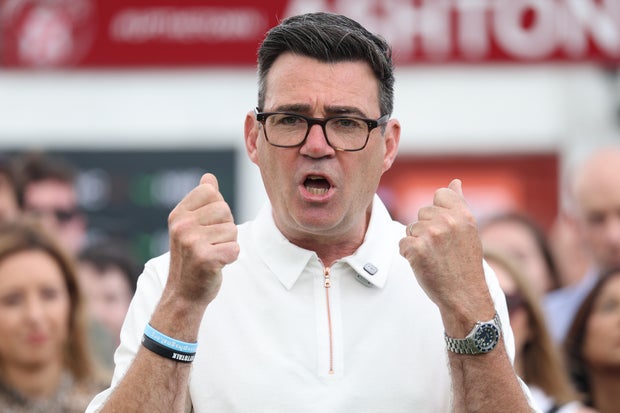
Attention has shifted to Andy Burnham as the likely successor. Though leadership elections might occur within the Labour Party, senior members want to avoid internal conflicts. Momentum is building around Burnham, who recently resigned as Manchester’s Mayor and won a parliamentary seat in a Makerfield by-election.
British party leaders are typically chosen from among sitting lawmakers, making Burnham’s victory key for his political future.
The Makerfield constituency represents areas Labour has struggled to maintain, having voted heavily for Brexit. Burnham’s decisive win in Makerfield hints at Labour’s potential reconnect with core voters, important as upcoming national elections approach.
Andy Burnham’s Political Profile
Burnham’s positioning as an alternative to Starmer has been years in the making. Known for criticizing Labour’s leadership at times of perceived weakness, Burnham has cultivated his national image. He differs regionally, earning the nickname ‘King of the North’ and promoting regional empowerment and civic pride.
Despite portrayals, Burnham’s policies on issues like immigration and EU relations have shown some flexibility. Initially opposing strong immigration stances, Burnham later suggested more stringent policies might be necessary. Similarly, former support for rejoining the EU has been somewhat retracted.
Path to Prime Ministry
British citizens elect Members of Parliament, not the Prime Minister directly. The leader of the majority party typically assumes the role of Prime Minister. If internal confidence in the leader wanes, the party may change leadership without a general election.
Burnham aims to unite Labour’s northern strongholds while maintaining a fresh public engagement. Supporters believe he could either lead Labour to another victory or mitigate potential electoral failures. A national election must be held by 2027, though the government can call one earlier if seeking renewed mandate, balancing the risk of losing parliamentary majority.
Other contenders for the leadership include Wes Streeting, a figure from Labour’s centre-right, though he quickly endorsed Burnham following Starmer’s resignation.