
Keir Starmer, Britain’s prime minister, stepped down this morning. Concurrently, discussions between the United States and Iran in Switzerland have concluded with noted progress.
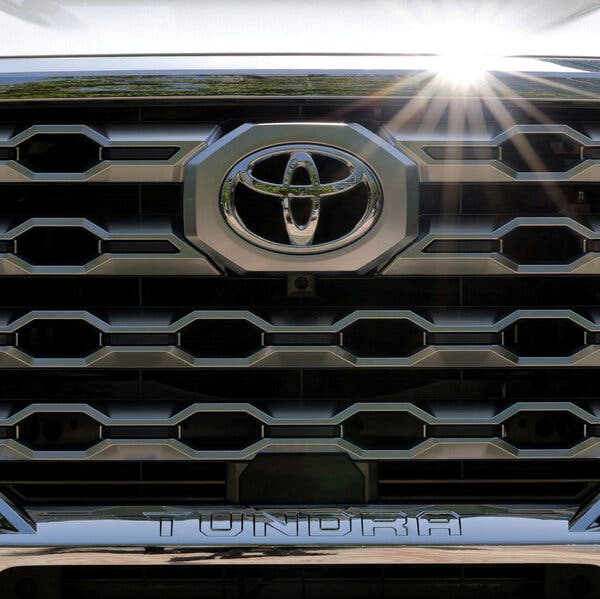
Focusing on vehicular safety, large pickup trucks pose a significant risk. Specifically, vehicles like the 2017 Toyota Tundra possess towering hoods, about 50 inches from the ground. In comparison, smaller cars such as the 2014 Ford C-Max have hood heights around 31 inches. These disparities contribute to increased fatalities among pedestrians in collisions with larger vehicles.
Since the early 2000s, vehicle composition on American roads has shifted from traditional sedans and coupes to sport utility vehicles (SUVs) and large pickup trucks. Ford has ceased production of sedans for the U.S. market. Today, models such as the Ford F-250 and Chevrolet Silverado 2500 dominate the roads, sporting hoods exceeding 50 inches in height. Their prevalence has surged fivefold since 2002.
Why Are Large Pickup Trucks Dangerous?
The primary hazards posed by these vehicles include the elevated hood height and extensive blind spots. Crash-reconstruction simulations conducted reveal alarming outcomes during pedestrian impacts.
A standard sedan’s hood height, roughly two and a half feet, impacts a pedestrian’s lower half. This often results in the pedestrian landing on the car hood, potentially resulting in minor injuries.
Conversely, large pickup trucks with four-foot hoods strike pedestrians in the chest, forcing them to the ground before being run over. Experts note devastating collisions even at modest speeds, as pedestrians are propelled under wheels before drivers react.