
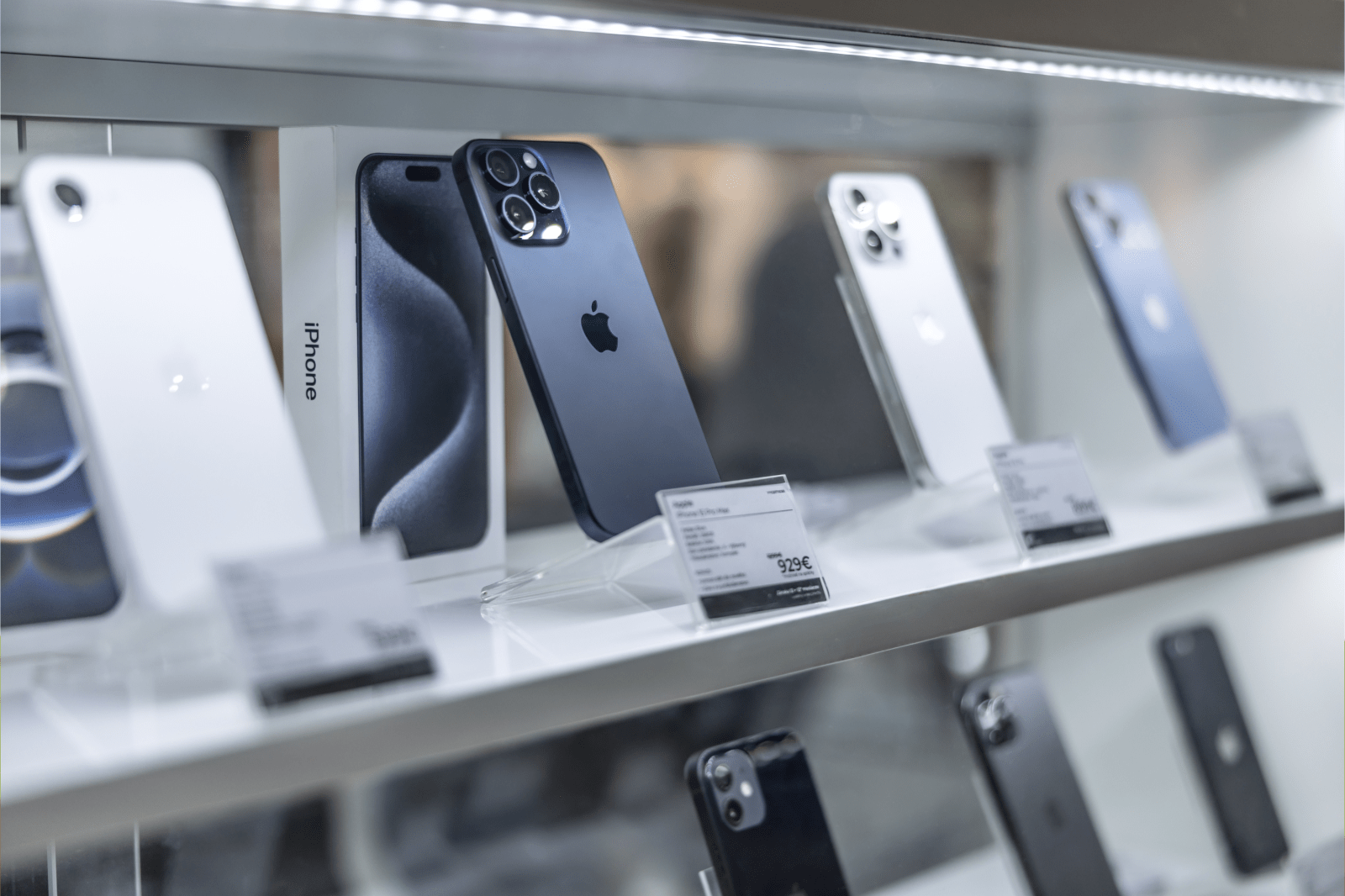
The rising costs of memory, fueled by the global AI boom, are set to significantly increase smartphone prices. This trend starts with Apple and is likely to influence the industry as a whole. Apple confirmed upcoming price hikes, with CEO Tim Cook explaining in a Wall Street Journal interview that elevated costs for memory and storage chips have made price increases inevitable. Cook stated the company has tried to absorb these costs to protect consumers, but the situation is now unsustainable as suppliers pass on these steep price hikes.
Industry-Wide Price Pressure
This issue isn’t limited to Apple. A surge in AI-driven data center demand consumes a growing share of global memory chip output, reducing availability for consumer electronics. This drives prices up across the board, affecting all smartphone manufacturers.
Nabila Popal, senior research director at IDC, indicated that forecasts for global smartphone average selling price need major revisions. She highlighted a new expectation of a 20% increase, up from the previous 14% forecast, stating no vendor will be immune.
Popal expects Android brands focused on low-end devices could face price hikes of up to 40%, while premium brands like Samsung and Apple might raise prices by 10%.
Yang Wang of Counterpoint Research described the memory shortage as a severe disruption in the smartphone industry. He suggested memory costs will stay high through 2027 as AI-related products demand more capacity.
Projected Smartphone Costs
Apple has not disclosed specific pricing plans. However, analysts predict uneven price increases across the smartphone market, with entry-level devices hardest hit. According to Counterpoint Research, low-end smartphones have seen bill-of-materials costs rise by 20–30%, and mid- and premium devices by 10–15%.
An estimate of potential price rises by tier includes:
- Premium flagship models (e.g., Apple, Samsung, Google) could see an increase of 5 to 10%.
- Mid-range Android devices might see a rise of 10 to 20%.
- Entry-level Android phones could face spikes into the 40% range.
While these figures provide guidance, analysts advise caution, as final costs will vary by product and region.
Impact on Consumers
Consumers will feel these price hikes across the market. For flagship devices, a 6–10% increase adds about $70–$150 more to the cost. In lower-priced segments, where manufacturers cannot easily absorb costs, increases above 20% could make entry-level smartphones considerably less affordable.
The rise in memory demand, driven by AI and powerful apps, means specifications cannot be easily reduced to counter costs.
Contact Newsweek editors on this story: John Fitzpatrick and Yannick Demoustier.