
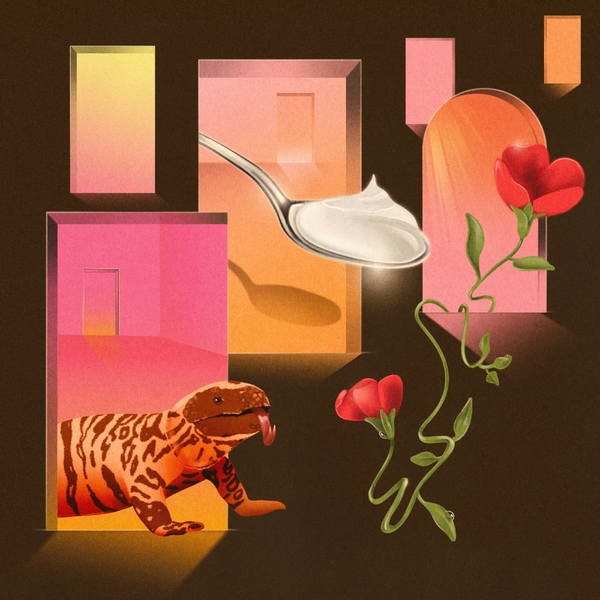
The Gila monster, a desert lizard, can survive for months without food. In the early 1990s, physician-scientist John Eng studied this lizard’s venom at a Veterans Affairs hospital. He discovered a molecule in the venom that mimicked a human gut hormone, but with a longer-lasting effect. This discovery, initially made on a modest budget, led to the development of GLP-1 drugs.
Synthetic versions, such as Ozempic and Wegovy, are now widely used to treat diabetes and obesity. They also show potential for addressing heart disease and other conditions, potentially saving thousands of lives annually.
However, the system that facilitated this medical breakthrough is being undermined. In 2025, the Trump administration froze or canceled substantial research funding. Although some of the frozen funds have been released by court orders and Congress has rejected further cuts, fewer grants are being approved than in previous years.
As Congress reviews the upcoming budget, the administration is advocating for deeper cuts. A proposed rule would require political appointees to approve federal grants, which might further slow down the process.
The reduction in scientific funding has significant consequences. Major research universities have reduced fall admissions for graduate programs, affecting the future pool of scientists. For instance, cancer researcher Rachael Sirianni highlighted the slim chances of obtaining funding for her drug research aimed at treating brain tumors in children.
Scientific advancement depends on exploring unconventional questions. For example, rapamycin, a drug that prevents organ transplant rejection, originated from a handful of soil from Easter Island. Similarly, CRISPR gene editing, a system derived from bacteria, is now used to correct genetic disorders like sickle cell disease. In 2025, it successfully corrected a lethal mutation in an infant.