
Nkokonjeru, Central Uganda — Sister Jane Frances Nakafeero walks with intent through a burial site at the Little Sisters of St. Francis convent, surrounded by cross-marked graves brightened with flower accents. In a place where future nuns undergo their religious training before serving the community, Nakafeero notes each grave’s significance. “This one was a nurse,” she points out. “This one was a teacher, this one a social worker, and this one a doctor.” Aspiring nuns begin here, and the community honors their journey by laying them to rest within these grounds. Nakafeero calls this place the “motherhouse,” where a sister’s path both starts and concludes.
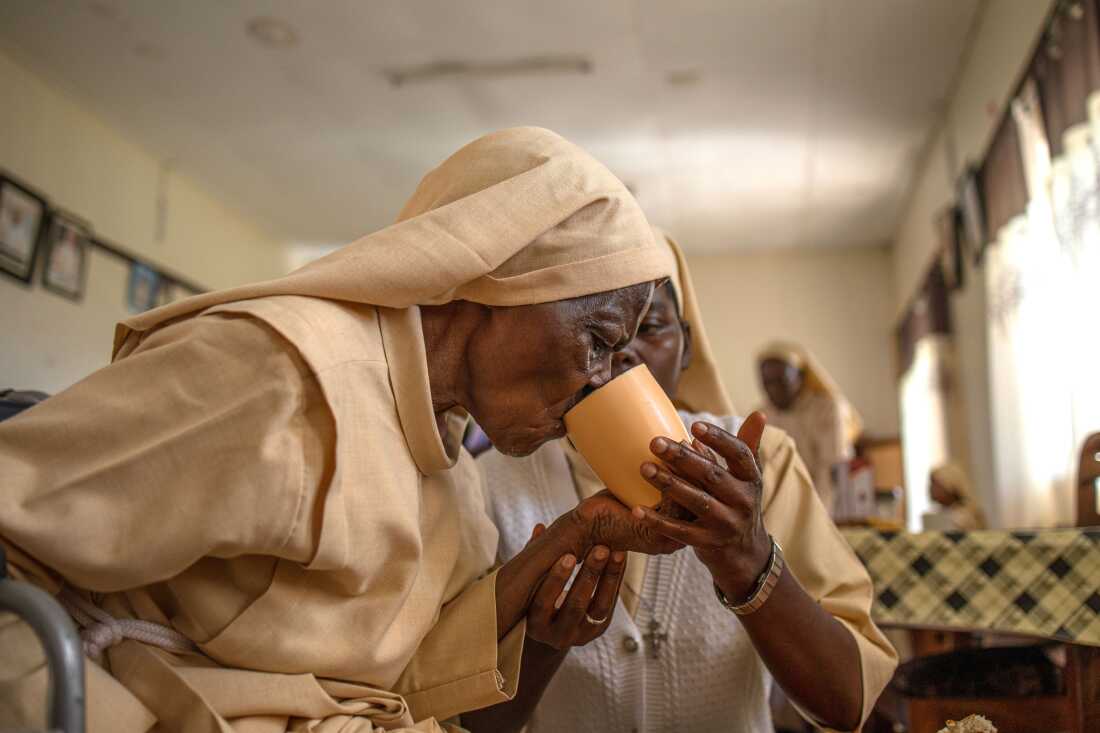
However, the well-being of retired sisters weighs heavy on Nakafeero’s mind. The Little Sisters of St. Francis in Nkokonjeru hosts many retired nuns, and their future care is uncertain. Palliative care, which offers crucial support at life’s end, emerged in the 1960s. Yet awareness and funding are sparse, particularly within religious communities in Africa, falling behind their American and European counterparts. Here, young nuns provide basic care for retired members but lack necessary resources such as adult diapers, wheelchairs, and hearing aids.
At the 2023 African Palliative Care Association meeting, Nakafeero highlighted these challenges, drawing attention from Jean Callahan of the Irish Hospice Foundation. Inspired by her grandmother Sybil’s adventures as a nun in Tanzania, Callahan noted the lack of essential care for these religious women. Together, they initiated a partnership with the African Palliative Care Association, focusing on enhancing care for aging nuns.
The program, which started in September 2025, addresses medical and psychological needs, provides mental stimulation, and trains young nuns for caregiving duties. Although not fully rolled out, the African Palliative Care Association, led by Eve Namisango, surveys 50 retired sisters to assess their needs. These sisters come primarily from Uganda, with some from Kenya and Tanzania. Successful implementation plans to extend care throughout Africa by 2027.
Namisango emphasizes the nuns’ decades of service and their right to receive proper end-of-life care. With approximately 82,000 nuns in Africa, estimates suggest 8,000 to 10,000 require such care. Within the convent’s chapel, 14 retired sisters start their mornings with prayer. Sister Mary Hedwig Agoya, an 89-year-old former teacher, reflects on how her days differ from when she managed a classroom.
The lack of activities concerns Father Joseph Balikuddembe, who believes the elderly nuns’ minds should be kept active. As some sisters engage in morning rituals, issues such as inadequate wheelchairs hinder mobility. Sister Rosemary Luyiga, aged 95, spends her days largely within her room, haunted by loneliness due to limited caregiving resources.
Sister Mary Consolata Nakawoojwa, trained in geriatric care, oversees a small team, often overwhelmed by the demands of elderly care. Psychological distress such as anxiety is common among the sisters, who face the challenge of redefining their identity post-retirement. Offering palliative care helps adjust to new life circumstances, providing more than just pain relief. As Kristina Newport from the American Academy of Hospice and Palliative Medicine notes, attention and support are vital during the last chapter of life, irrespective of one’s past role.
Callahan argues that nuns’ contributions are overlooked, hinting at broader gender biases. Nakafeero acknowledges the struggle, recognizing that their path requires self-reliance for care in their later years. The Vatican has yet to clarify their responsibility for female religious orders’ retirees. Currently, they pursue continued research, supported by an anonymous Irish donor. The ambitious program seeks to raise $135,000 to meet the remaining needs.
Jean Callahan’s resolve remains strong, driven to achieve the program’s goals. For Nakafeero, the work resonates on a personal level. Her own experiences caring for her father inspire her efforts. As she contemplates her eventual retirement among the convent’s serene resting places, Nakafeero aspires for the same compassionate care for herself when the time comes.
Journalist Sophie Neiman covers this story from her base in Kenya, providing insight into the region’s issues.