
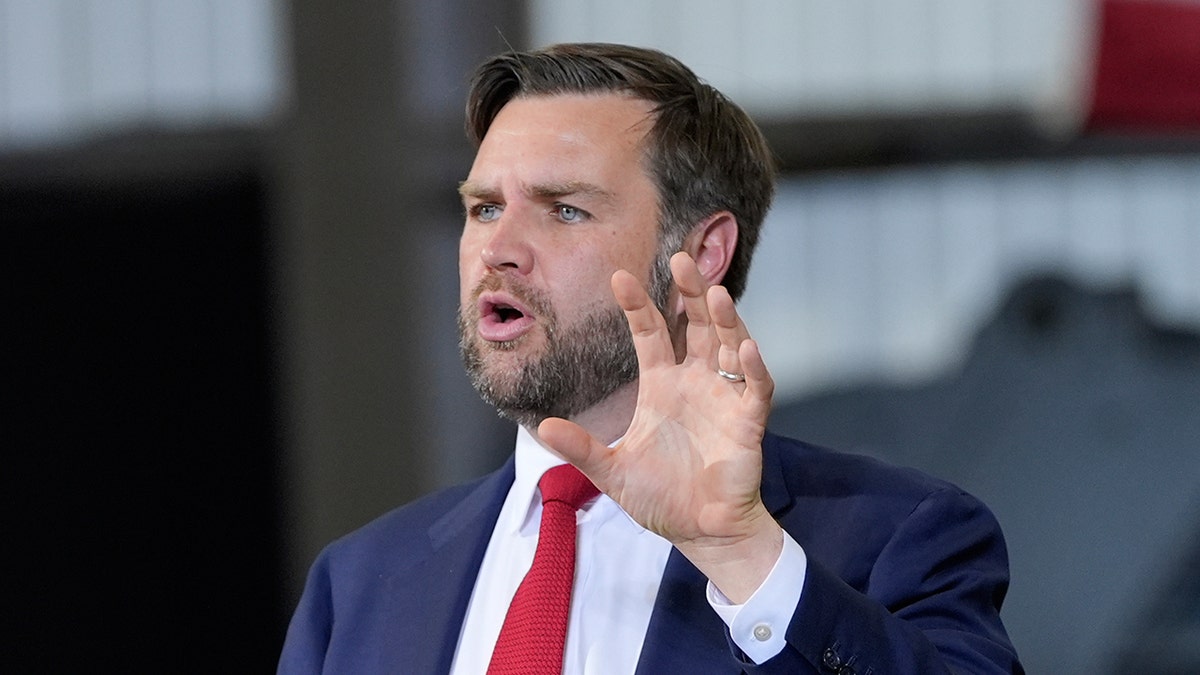
In a recent interview with The New York Times’ Ross Douthat, Vice President JD Vance addressed criticisms from pro-Israel groups regarding the U.S.-Iran deal. He questioned Israel’s approach to resolving its national security issues, emphasizing the limits of military action. “You can’t solve every national security problem by force,” Vance commented, referencing Israeli politicians Itamar Ben-Gvir and Bezalel Smotrich’s criticism of the deal.
The United States and Iran have agreed on a Memorandum of Understanding aimed at reopening the Strait of Hormuz and addressing Iran’s nuclear ambitions. Critics compare it to an earlier Obama-era deal and argue that it offers economic concessions without permanent restrictions. Supporters believe it is the most feasible way to prevent a Middle East conflict and protect the global economy.
Discussing the deal’s popularity, Vance noted its mixed reception in Israel. He argued that misinformation might be fostering undue panic. Despite that, he believes the deal benefits the Middle East and the world. Vance insisted the primary concern remains American interests, even when they diverge from Israel’s political goals.
Vance pointed out that although Israeli Prime Minister Benjamin Netanyahu has not publicly criticized the deal, others in Israel have expressed strong opposition. Vance referenced Israeli National Security Minister Ben-Gvir’s remark after an attack by Hezbollah, which called for aggressive action to secure Israeli safety.
During a White House briefing, Vance cautioned Israeli officials against alienating their critical ally, the U.S. He highlighted recent American achievements in safeguarding Israeli security and diminishing Iran’s nuclear capabilities. Vance urged patience, expressing optimism about Iran’s new offers in the negotiation process.
Regarding opposition within the U.S., such as from Senator Ted Cruz, Vance stressed the importance of pragmatic solutions. He challenged critics to offer viable alternatives instead of abstract criticisms. Vance maintained the deal as a strategic step rather than a ‘sellout.’
Supporters claim the new U.S.-Iran Memorandum of Understanding remains the practical approach to averting a potential conflict in the Middle East and prevent economic disruptions from a closed Strait of Hormuz.