
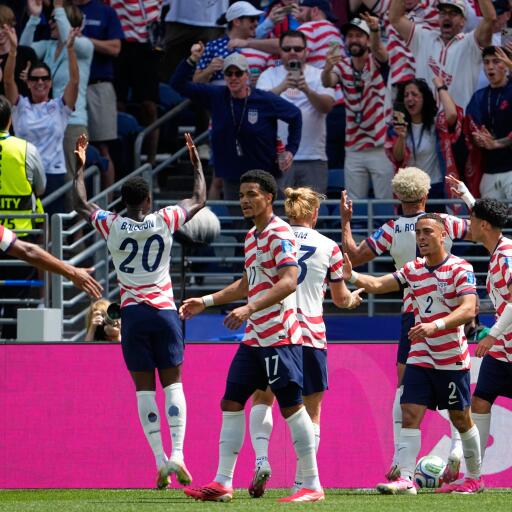
The U.S. team seeks a victory against Australia, building on their win over Paraguay. The game in Seattle kicks off at noon PDT, broadcasted on Fox and Telemundo.
Defensive Strategy by the U.S.
With 80 minutes on the clock, the U.S. led 2-0. They strengthened their defense as Sergiño Dest was replaced by Joe Scally, and Auston Trusty came in for Antonee Robinson. After assessing an injured player’s status, the U.S. successfully appealed a rule that risked leaving them with nine players, a move that displeased Australia.
Midfield Changes
At the 74th minute, midfielder Sebastian Berhalter substituted forward Ricardo Pepi. Pepi had earlier influenced an Australian own goal and had diverted defenders from other threats. Berhalter aimed to energize the midfield, previously overloaded by Australia’s own substitutions.
Hydration Break Observations
At the 69th minute, Australia increased their pace, challenging the U.S. defense. During the hydration break, the U.S. regrouped, with Christian Pulisic offering insights. Australia’s previous substitutions had enhanced their ball control, putting pressure on the U.S. defense.
Action Before and After Halftime
Earlier in the game, a transition shot by Folarin Balogun was blocked by Alessandro Circati. Post halftime, the game resumed with players returning from a tactical pause. An earlier collision stopped play temporarily as players from both sides received treatment.
Early Game Developments
The match began with Australia asserting initial aggression. They earned the first yellow card for a foul on Weston McKennie. Shortly after, following effective U.S. ball control, an own goal by Australia resulted from a setup involving Folarin Balogun and Ricardo Pepi.
Environmental and Climate Considerations
The 2026 World Cup predicts significant impacts from climate change, potentially affecting gameplay with higher temperatures and increased humidity. Notable weather disruptions like thunderstorms have already been noted in Kansas City, affecting preparations.