
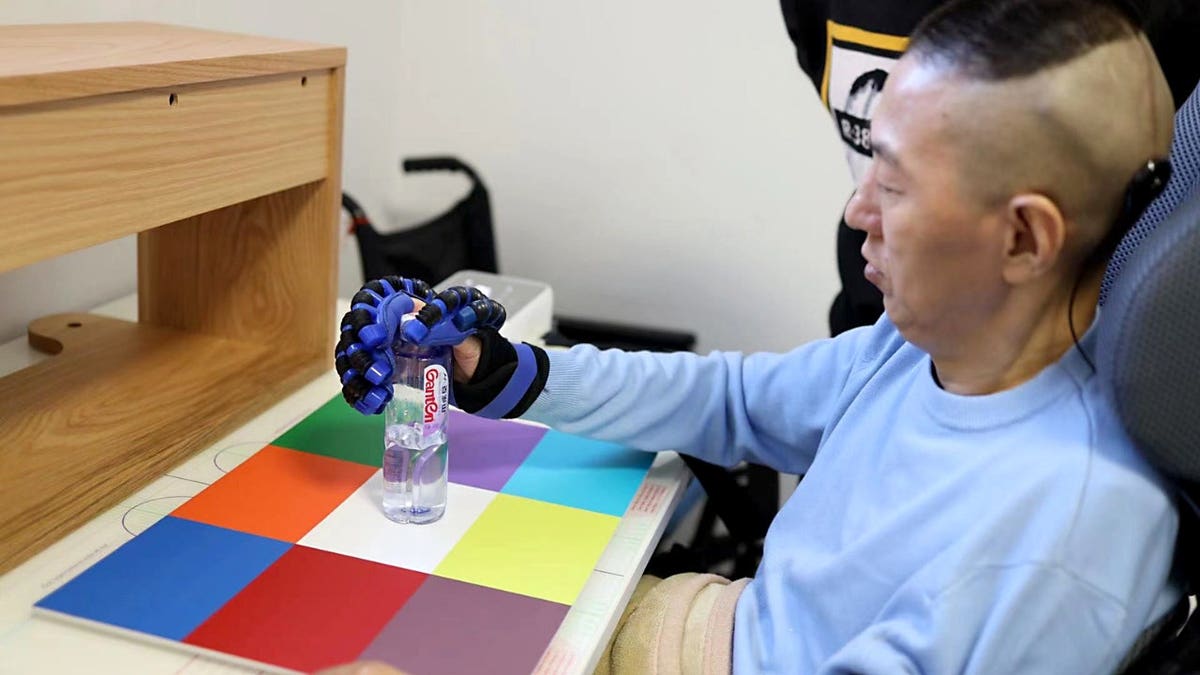
China has taken a significant step by approving the world’s first commercial brain chip, known as NEO. Developed by Tsinghua University and Neuracle Technology, this brain-computer interface (BCI) aims to assist patients with paralysis, particularly those suffering from spinal cord injuries. The approval marks a move from research trials to real-world medical application, though concerns about data privacy emerge alongside these advancements.
The Role of China’s NEO Brain Chip
The NEO brain chip is a BCI that translates brain activity into commands for external devices. Patients can potentially control prosthetic devices, such as robotic hands, using their thoughts. Unlike other implants that penetrate the brain tissue, NEO is designed to sit on the brain’s protective outer layer, the dura mater, which makes it less invasive. This reduces the medical risks associated with brain surgery, such as bleeding or infection, which sometimes accompany more invasive procedures.
It is crucial to note that the NEO chip is not available for general use. It is targeted at a specific group of patients with severe paralysis to help restore some level of control in their daily lives.
Implications of the Brain Chip Breakthrough
The benefits of this technology could be transformational. Millions of people globally suffer from various neurological conditions, including stroke and spinal cord injuries. The ability to regain even minimal control over movement or communication can significantly impact their quality of life. For instance, Neuralink trial participant Audrey Crews demonstrated how she could write her name using a computer by controlling it with her implant.
However, the approval of China’s NEO chip adds competitive pressure to the evolving brain-chip industry. Unlike Neuralink, which is still undergoing human trials in the U.S., China’s approval indicates its intention to integrate BCI technology into its healthcare system and expand the industry by 2030.
Privacy Concerns Linked to Brain Chips
The introduction of brain chips brings significant privacy issues. BCIs collect neural data, which could contain highly sensitive information as the technology advances. Questions arise about data ownership, potential sales, sharing, or use for AI training. As BCIs progress, the need for robust privacy measures becomes paramount.
BCIs raise essential security questions, especially if they connect to external devices. Unauthorized access to neural data or device commands could compromise a person’s independence or safety. These risks underscore the necessity for rigorous cybersecurity practices, including encryption and controlled access, to protect users.
Conclusion
Presently, China’s brain chip technology serves those with acute medical needs. Yet, its broader implications should capture public attention. While the medical potential is vast, privacy protocols must keep pace with technological advances. Patients should be well-informed about data usage and protection before agreeing to participate in such technologies.
Brain chips can transform lives, but ensuring data security and privacy remains a critical challenge. As the industry progresses, the balance between innovation and privacy will shape how society perceives and adopts this technology.