
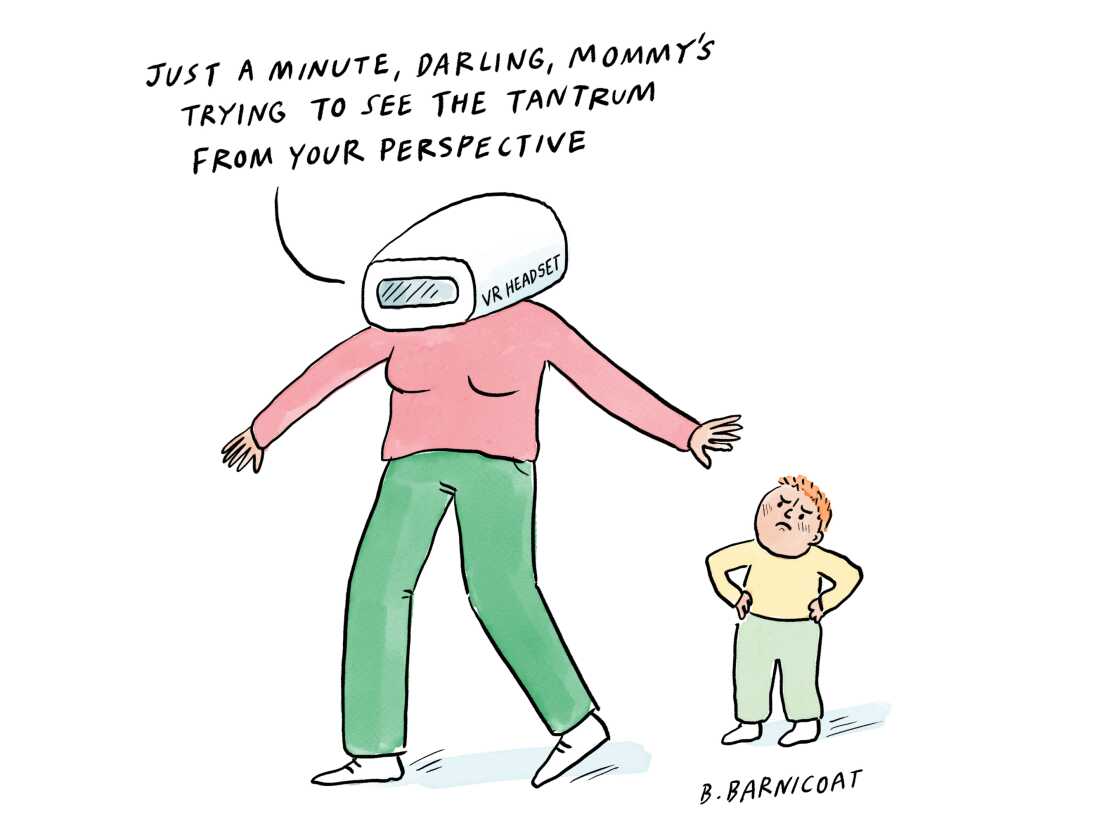
Parenting a two-year-old presents unique challenges. Recently, my son showered me with affection, only to later reject his favorite blueberry muffins. Breakfast completed, we still faced the daily struggle of shoe-time. Parenting a toddler often feels like experiencing emotional ups and downs, which can be difficult for parents and children alike.
Roger Harrison, a pediatric psychologist, explains that rapidly changing emotions and rebellious behavior are typical in one to three-year-olds. These behaviors help them build a sense of self and understand their place in the world. While these can frustrate parents, viewing a child’s boundary-testing as a form of learning brings relief. Harrison emphasizes understanding the reasons behind behaviors puts them into the proper developmental context, allowing parents to tackle difficult behaviors strategically.
Addressing Common Toddler Behaviors
Talking Back: The Contrarian Toddler
Toddlers often say “NO” to everything. According to Harrison, this opposition is part of their development. They are learning that they are separate individuals from their caregivers, enhancing their independence. Your toddler turning down a favorite popsicle or bedtime story is a way of showing newfound self-awareness.
Parent tip: To guide your child towards saying “yes” to brushing teeth or leaving the playground, use a calm response, suggests parenting coach Jamie Glowacki. Inform them kindly but firmly what will happen next. For instance, you could say: “We need to leave the playground. You can slide once more and walk out with me, or I can carry you out now.”
Possession and Claiming: When Everything is “Mine”
Toddlers often claim possessions as “mine.” Harrison explains this is how they exert control and understand their individuality and relationships. By claiming objects, they explore identity boundaries, testing what belongs to them and others.
Parent tip: To encourage sharing, model the behavior, suggests educator Chazz Lewis. After a toy dispute, teach your child to ask for a turn by offering their palm and saying, “turn, please.” Practice before resuming play.
Sensory Exploration: Licking, Smashing, and Crashing
Preschool teacher Layne Deyling Cherland notes toddlers engaging in activities like spilling containers or licking wallpaper are seeking sensory information. Such actions provide data about themselves and their environment. These sensory experiences build internal senses crucial for coordination, balance, and self-regulation.
Parent tip: Encourage safe exploration. Build obstacle courses or play blind taste-testing games to foster interaction, advises Deyling Cherland.
Repeated Misbehavior: Not Heeding Instructions
If your toddler keeps ignoring instructions, such as not running in the kitchen, repeating yourself fails due to toddlers not comprehending negation, says Lewis. Instead, give them a strategy or tools for correct behavior.
Parent tip: Instead of saying what’s wrong, offer solutions. Suggest they “walk slowly in the kitchen” or “walk gently,” Lewis advises.
Disliking Transitions: Activity Switching Resistance
Toddlers often resist transitioning activities, as they have little control over their day. While consistent routines help them, sudden changes can unsettle them, notes Glowacki. This can disrupt their focus and independence, which is crucial at this stage.
Parent tip: If tantrums occur during transitions, offer choices, advises Lewis. For example, ask: “Blue plate or purple plate?” This grants them decision-making power while guiding the transition.
Understanding and supporting a child’s development builds a foundation for adulthood, explains Deyling Cherland. Mastering personal power in toddlerhood leads to informed decision-making later in life.
The digital story was edited by Malaka Gharib, with art direction by Beck Harlan. We welcome feedback. Contact us via voicemail at 202-216-9823 or email [email protected]. Listen on Apple Podcasts or Spotify, or subscribe to our newsletter. Follow us on Instagram @nprlifekit.