
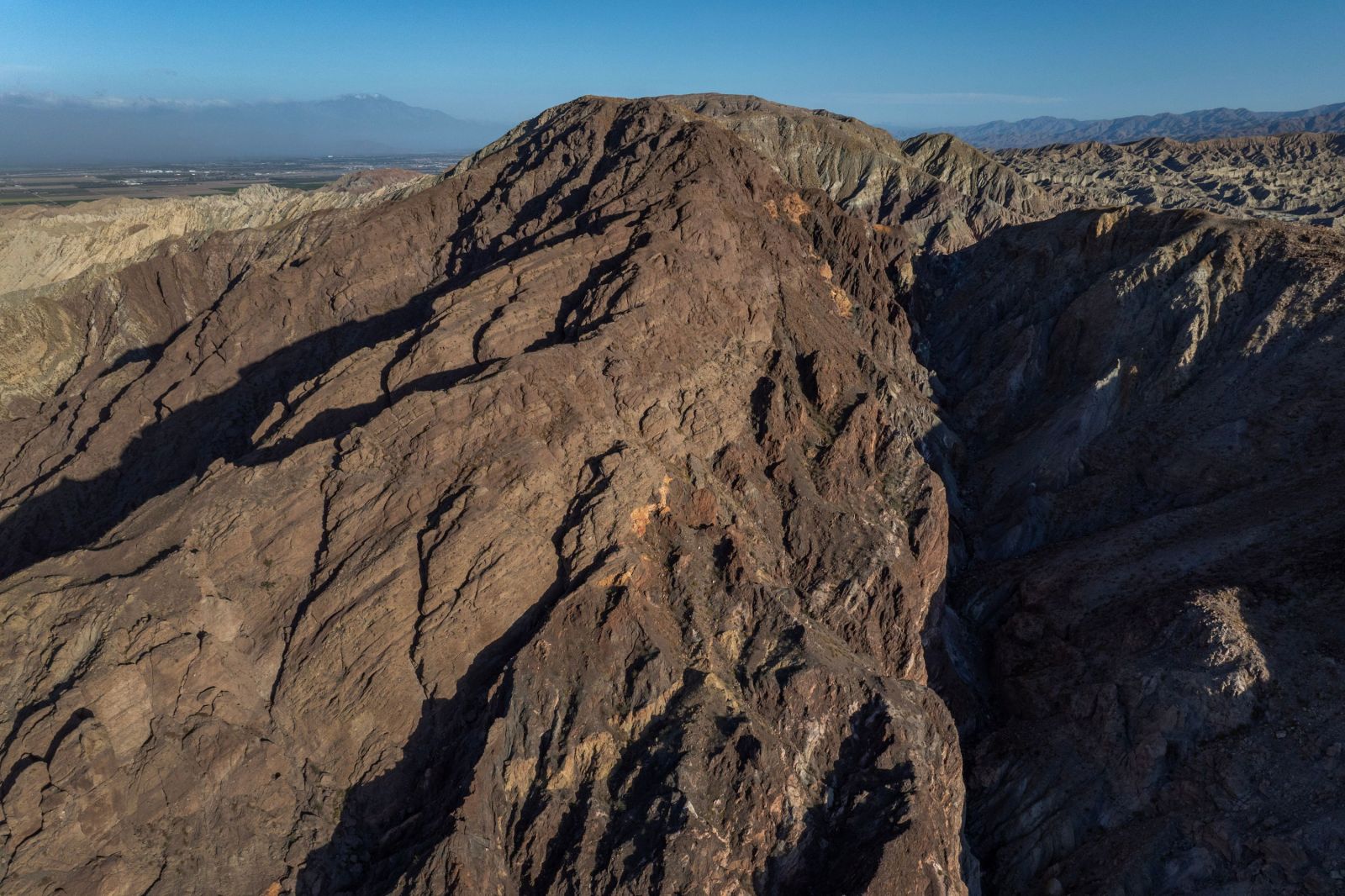
New research led by earth scientists at the University of Hawaiʻi at Mānoa reveals a concerning increase in tectonic stress along Southern California’s San Andreas and San Jacinto fault systems. This stress has now reached the highest level witnessed in 1,000 years, elevating concerns about the region’s seismic risk. This is evident as several fault segments have reached, or in some cases exceeded, peak stress levels from the past millennium. These findings indicate that the fault system is in a ‘critically loaded state.’
Implications of Rising Stress Levels
The University of Hawaiʻi states that this research has significant implications for seismic risk analysis in one of the nation’s most densely populated and infrastructure-critical areas. A particularly worrying finding involves Cajon Pass, a vital junction between the faults. It may act as an ‘earthquake gate,’ sometimes preventing a rupture from crossing between the two networks and other times allowing it to pass through both in a single event.
This matters because simultaneous ruptures involving both systems could lead to far more damage than a significant earthquake on a single fault. Such an event would impact heavily populated regions like Los Angeles, San Bernardino, Riverside, and the Coachella Valley.
Research Methodology and Predictions
The study, published in the Journal of Geophysical Research: Solid Earth, utilized a physics-based earthquake cycle model. The model simulated stress buildup and release over approximately 1,000 years along the southern San Andreas and San Jacinto systems, including Cajon Pass, northeast of Los Angeles. Geologists built a millennium-long earthquake history using geological records, such as radiocarbon-dated sediments and tree-ring evidence. Then, they used the model to estimate current stress levels.
Lead author Liliane Burkhard explains that the results show stress levels on multiple fault segments are now at or above their historical peaks. The region could be capable of a significant rupture involving both fault systems. Burkhard emphasized that Cajon Pass may sometimes block large ruptures from crossing between faults and sometimes allow them to involve both systems in one event.
Expert Advice on Preparedness
Burkhard stressed the urgency of the situation: ‘This is not a distant, theoretical risk.’ The stress driving large earthquakes has steadily increased since 1857 and now surpasses anything recorded in 1,000 years of earthquake history. While this doesn’t predict an immediate earthquake, the system’s current load means it could happen at any time.
For Southern California residents, preparedness is crucial. Knowing evacuation routes, maintaining a communication plan with friends and family, and having an emergency kit with water, food, and medication ready is essential.
Future Applications of the Research
According to the University of Hawaiʻi, this type of physics-based stress modeling can enhance seismic hazard evaluations. It can also guide infrastructure design, emergency planning, and building standards in the area. Additionally, this modeling approach is adaptable to other complex fault intersections worldwide, offering a broader benefit beyond Southern California.