
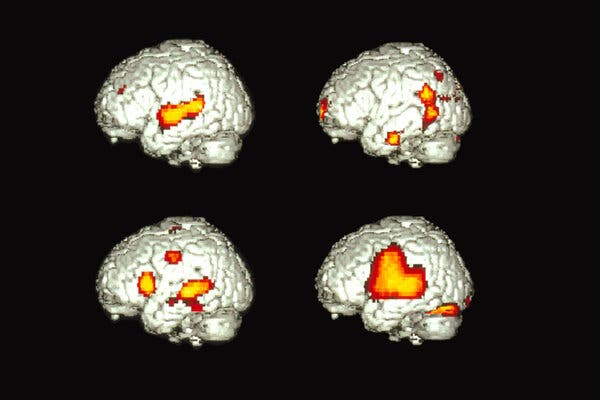
A recent study on bilingual speakers indicates that the brain uses a single ‘grammatical engine’ to manage multiple languages simultaneously.
Language forms a core component of human cognition. Its grammatical rules become second nature after extensive use, leading to intuitive language processing. This understanding extends even to words unfamiliar to someone, like deducing that ‘absquatulate’ has ‘absquatulating’ as its present participle.
However, grammar rules differ widely across languages. Previously, neuroscientists believed bilingual speakers processed languages with distinct patterns of brain activity. This study challenges that view by showing unexpectedly similar brain activity for language tasks in both languages.
For example, when bilingual individuals decide on singular or plural forms, their brain activity remains strikingly consistent, regardless of the language they use. Esti Blanco-Elorrieta, a psychologist and neuroscientist from New York University, highlights that such findings reveal the deep integration of two languages within bilingual brains. The study was published in the journal JNeurosci.
Historically, bilingualism was considered an add-on or interruption to native language processing. Judith Kroll, a psycholinguist at the University of California, Irvine, notes this shift in understanding, although she did not participate in this study.
Further research shows that the brains of bilingual individuals differ physically, displaying more efficient white matter and changes in gray matter. These differences correlate with enhanced performance in memory and concentration tasks.