
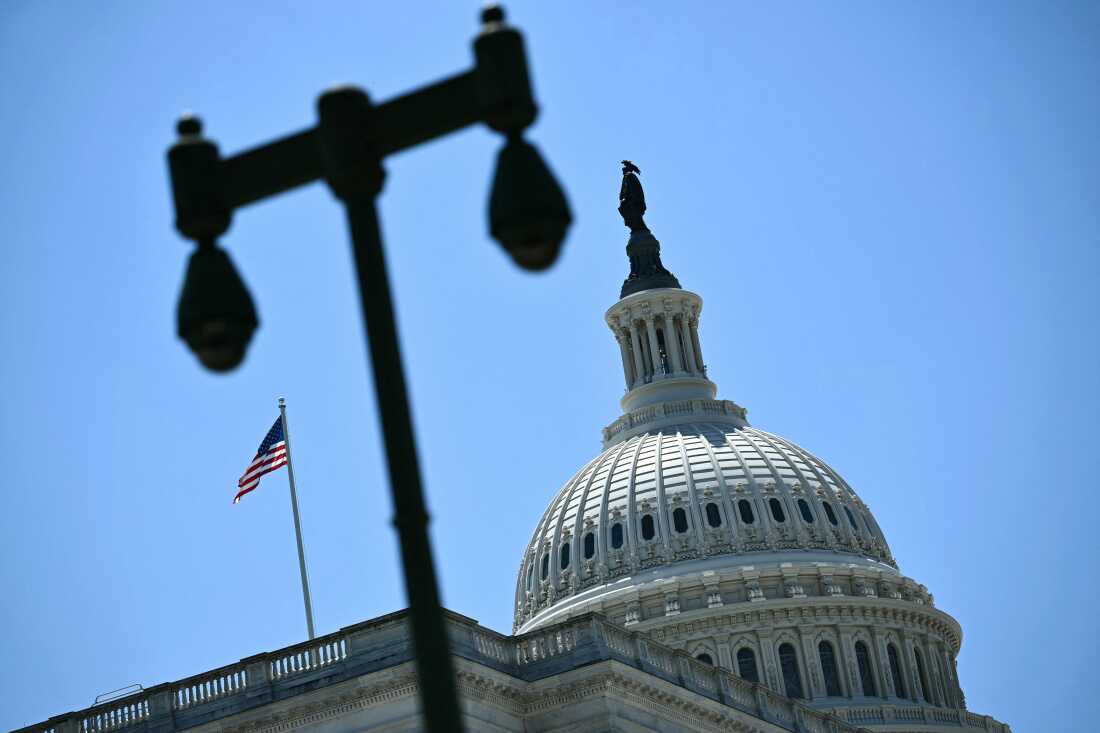
The U.S. Capitol dome was captured on June 4, 2026, as Congress struggled to renew a significant surveillance tool before the House adjourned for a scheduled recess.
Section 702 of the Foreign Intelligence Surveillance Act (FISA), crucial to U.S. intelligence operations, is set to lapse. This provision allows the collection of electronic communications from foreigners outside the United States. It contributes over 60% of the president’s daily intelligence briefing.
Continued Intelligence Collection
Despite its pending expiration, FISA’s Section 702 allows intelligence collection as authorized annually by a federal court. The law mandates that electronic communication service providers continue to supply data to intelligence agencies during the court’s authorization period, even after the law’s lapse. Some lawmakers are concerned about potential legal challenges by these companies, which might temporarily halt data provision.
Experts believe such challenges are unlikely to succeed. Nonetheless, even a brief pause could pose risks, especially with America’s 250th anniversary and the World Cup ahead. Glenn Gerstell, former general counsel at the NSA, downplays the urgency but criticizes Congress for not extending the statute to avoid risks altogether.
“I don’t want to overhype this and say that the statute’s lapse is a horrific risk. It clearly is not,” Gerstell noted.
Elizabeth Goitein from the Brennan Center’s Liberty and National Security Program emphasizes that companies face substantial fines for non-compliance. The FISA court may resolve related legal challenges within 30 days. Goitein believes the security impact of a lapse is limited and advocates for privacy reforms.
Controversies and Congressional Inaction
Section 702’s history is marred by controversy. Bipartisan efforts for reform aim to protect Americans’ privacy, as data on U.S. citizens may be inadvertently collected. Law enforcement queries into this data do not necessitate probable cause or court approval.
Recent reform discussions led to temporary extensions. Progress towards a moderate three-year extension appeared possible before unraveling due to President Trump’s nomination of Bill Pulte as acting director of national intelligence.
The nomination sparked backlash. Democrats criticized Pulte’s qualifications and potential misuse of FISA data. Sen. Mark Warner called his nomination a “mistake.” House Democrat Hakeem Jeffries labeled him a “political hack.” Even Republican leaders expressed concerns about Pulte’s selection.
Despite attempts to extend Section 702, both legislative chambers adjourned without progress. Trump later nominated Jay Clayton, a federal prosecutor, as permanent director of national intelligence, with Pulte temporarily taking on the role.