
In my late 20s, I faced burnout. I balanced a full-time journalism role in public radio, a dream job, but it came with endless news stories, early mornings, and stress. I yearned for travel, physical activity, and outdoor life. However, such changes might mean quitting my job. This struggle between seeking meaning and valuing stability is common during what psychotherapist Satya Doyle Byock terms ‘quarterlife.’ In her book, Quarterlife: The Search for Self in Early Adulthood, Byock explores navigating this developmental stage affecting those between adolescence and midlife.
Understanding Conflicting Desires
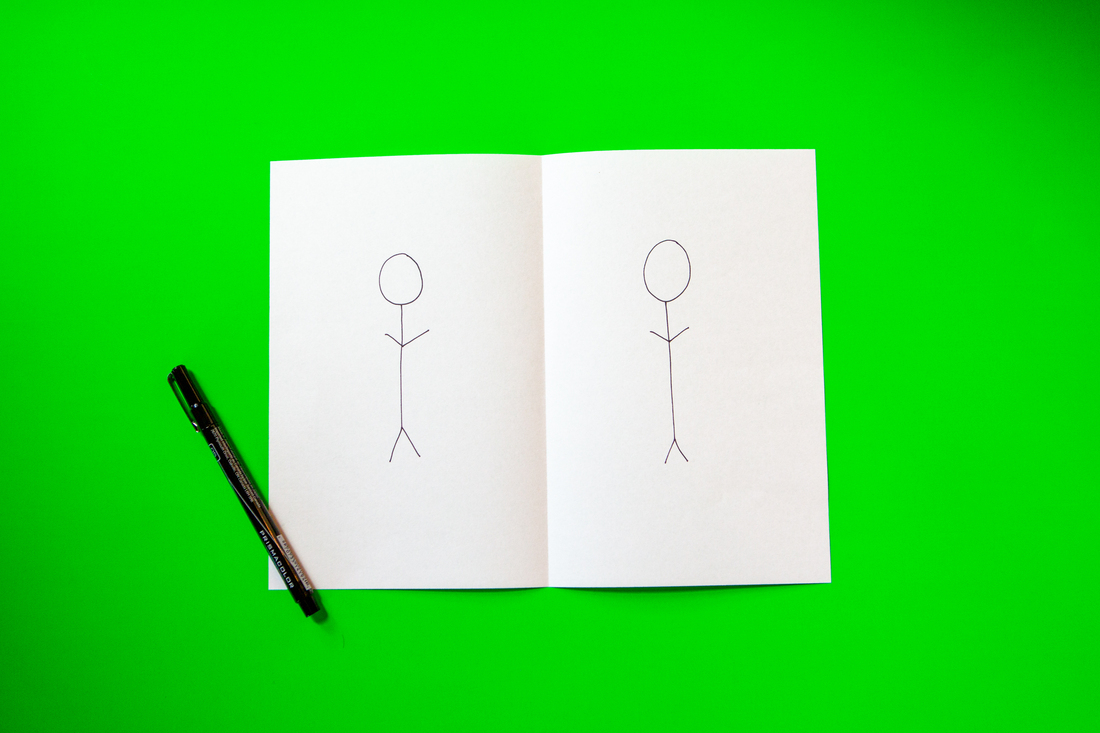
Byock describes how people may want single life yet desire marriage with children. Feeling torn between opposing desires can make it difficult to move forward. To address this, Byock devised a drawing exercise called “My Two Conflicting Selves.” This activity involves drawing stick figures to represent competing sides, listing their wants and needs, and finding ways to merge these aspects.
The exercise aids anyone feeling divided between choices. Though Byock practices therapy in Portland, Oregon, her guidance is accessible to all.
How to Perform the Exercise
Step 1: Draw Your Stick Figures
Fold a sheet of paper in half and draw a stick figure on each side. One figure represents “stability,” the sense of safety and grounding. The other figure symbolizes “meaning,” expressing the need for adventure and freedom.
Step 2: Name Each Side
Choose names for each stick figure. These can be inspired by personal experiences or fictional characters. By assigning names, it becomes easier to discuss and analyze the different parts of yourself in personal reflection or therapy sessions.
Step 3: Explore Narratives
Dive into the personality traits of each stick figure to uncover internal conflicts. Answer the following questions in bullet points or doodles. Responses may reflect your current reality or aspirations and desires. Honesty about each side’s true desires is vital. Consider questions like: what’s your job, relationship status, fashion sense, or religious/spiritual practice?
Step 4: Observe Wishes and Needs
Review your responses. Determine how each side differs or aligns. People may find shared desires, like wanting a pet, but with different motivations. For example, desire for a dog could stem from companionship and routine or the pursuit of meaningful experiences.
Step 5: Achieve Balance
Assess the dominant side in your life, using percentages to visualize balance. Decide on the desired distribution. Adjust behaviors to reflect aspirations. This might involve travel or displaying personal adventure-related items to integrate both sides.
Upon completing the exercise, display your stick figures as a reminder of your two sides and the journey to balance them. The exercise serves as an ongoing guide to fulfilling personal desires.
To contribute your thoughts, contact Life Kit by voicemail at 202-216-9823 or email [email protected]. Listen to the Life Kit podcast on Apple Podcasts and Spotify, or subscribe to the newsletter.