
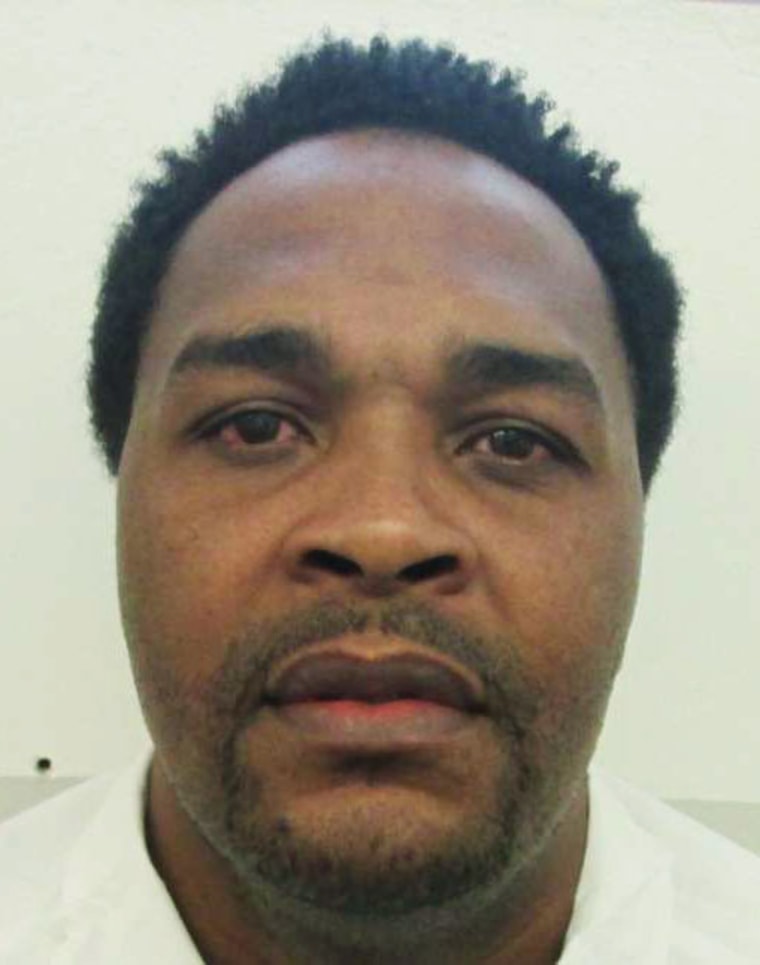
The Supreme Court on Thursday denied Alabama’s request to execute Jeffery Lee using nitrogen gas. This decision came after two lower courts ruled against the method, citing it as a violation of the constitutional ban on cruel and unusual punishment.
Emergency Filing Before Scheduled Execution
Alabama sought an emergency order just hours before Lee’s scheduled execution. Justices Clarence Thomas, Samuel Alito, and Neil Gorsuch dissented, expressing willingness to grant the state’s request. Despite this, Lee, convicted of a 1998 double murder during a pawnshop robbery, remains on death row. The state may explore alternative methods for execution, although the timing remains unclear.
Legal Proceedings
Initially, a federal district judge deemed nitrogen gas execution constitutional on Monday. Lee’s legal team appealed, and the 11th U.S. Circuit Court of Appeals overturned the opinion. The appellate court mandated a district court ruling on executing Lee by a firing squad instead. After losing in both lower courts, Alabama appealed to the Supreme Court.
Historically, the Supreme Court upheld various execution methods, such as lethal injection and electrocution, but nitrogen gas has faced scrutiny since Alabama became the first state to use it in early 2024.
Controversy Over Nitrogen Hypoxia
Nitrogen hypoxia requires the condemned to breathe gas through an industrial mask, leading to death from oxygen deprivation. Alabama argued this method causes rapid, humane, painless, and reliable death. Critics, including the American Thoracic Society, describe it as causing severe suffering. Witnesses of past executions report prisoners gasping for air and struggling against restraints.
Justice Sonia Sotomayor previously dissented in a nitrogen hypoxia case, criticizing the method for causing suffering and advocating for more humane alternatives like firing squad executions.
Alabama’s Execution Methods
Alabama has executed seven prisoners with nitrogen and one in Louisiana. Lethal injection remains the state’s primary method but faces challenges in sourcing necessary drugs.
Lee requested execution by firing squad, a method currently illegal in Alabama, after being convicted of murdering Jimmy Ellis and Elaine Thompson during a pawnshop robbery in 1998. Lee expresses remorse and claims redemption through faith, urging for a different end through legal channels.
Response to Legal Rulings
Alabama Attorney General Steve Marshall insists on enforcing the court’s sentence for justice. The state continues to pursue Lee’s execution, with calls for commuting his sentence because of a previously allowed judicial override—now banned since 2017.
Alabama Governor Kay Ivey remains committed to proceeding with the planned execution, despite ongoing legal battles.