
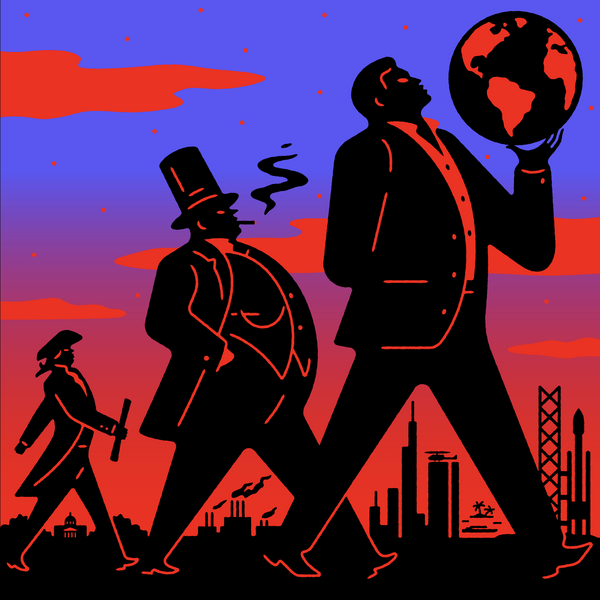
Prominent figures in Silicon Valley are increasingly questioning contemporary views on egalitarianism. They exhibit skepticism and, at times, disdain for the concept of equality.
In his 2014 book “Zero to One,” tech investor Peter Thiel describes an economic landscape where a select few far surpass their rivals. He presents this as a fundamental rule of nature. Thiel’s influential role in companies like PayPal and Palantir underscores his views.
Elon Musk, the notable tech entrepreneur, expressed a similar sentiment on X last year. He suggested that humanity serves as a biological foundation for digital superintelligence. This implies we are merely contributors to wealth-generating ventures.
Additionally, Carlos Carvalho from the University of Austin, also backed by tech leaders like Thiel, delivered a speech titled “In Defense of Inequality.” His address challenges our traditional beliefs.
Many believe these views on inequality introduce a novel perspective in our politics. Historically, Americans pride themselves on a commitment to equality as echoed in the Declaration of Independence. The idea “all men are created equal” was revolutionary when introduced and is often perceived as a fundamental American value today.
However, the notion is complex. The U.S. has long harbored elements of anti-egalitarianism, particularly in economic matters. Dr. Carvalho acknowledges the principle of being “created” equal. Yet, history showcases arguments advocating for inequality as a natural, even beneficial, aspect of society. The tension between democracy and capitalism reflects this ongoing debate.