
Rachel Levasseur’s Journey to Find Effective Treatment
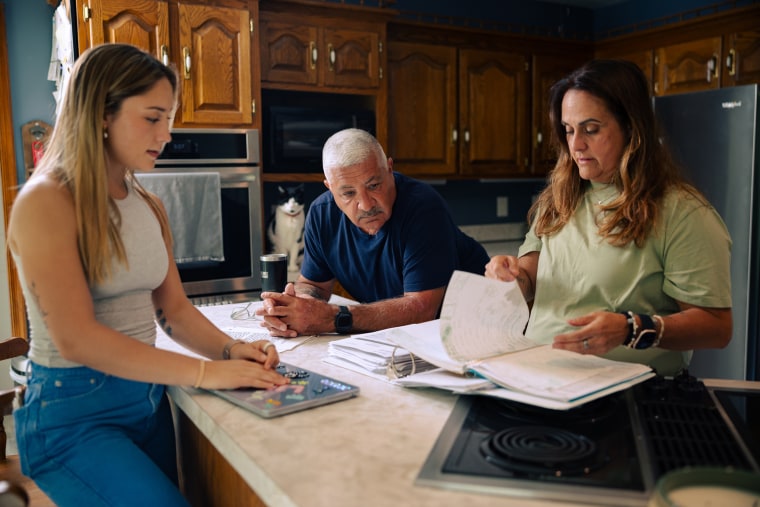
Rachel Levasseur, a 24-year-old from Maryland, spent seven years searching for a treatment that worked for her complex obsessive-compulsive disorder (OCD). During this period, she experienced suicidal attempts multiple times. Her situation improved when she entered a specialized residential treatment program at The Retreat, part of Sheppard Pratt psychiatric hospital. This program, although costly, provided personalized care that significantly helped her recovery.
Financial Strain Due to Treatment Costs
Rachel’s parents, Larry and Kandy Levasseur, faced immense financial strain due to the treatment costs, which almost reached $3,000 per day. They incurred a $1.3 million debt despite taking a second mortgage and using retirement funds. Their insurance provider, CareFirst BlueCross BlueShield, covered only a fraction of the costs. Although the treatment showed promising results, they had to cut Rachel’s program short in March due to financial constraints.
It’s just confusing how insurance can’t recognize that I am getting better finally.
Rachel commented on her insurance company’s focus on cost over her health improvement.
Complex Mental Health Needs
Rachel’s OCD involves an intense fear of causing harm to others, exacerbated by her autism diagnosis. Her parents highlighted the challenge in finding insurance-covered, comprehensive mental health providers equipped for such complex cases. With no alternative programs offering similar care, the Levasseurs encountered difficulties in resolving insurance claims and debts.
Struggling with Insurance Processes
Despite assurances from CareFirst about potential coverage, the family’s appeal to the Maryland Insurance Administration and Department of Budget and Management ended without resolution. An alternative facility has not been reached despite claims of communication between the state and insurance company.
The Importance of Personalized Care
Rachel experienced a significant improvement through radically open dialectical behavior therapy at The Retreat. This approach, aimed at individuals with severe emotional challenges and black-and-white thinking, was effective compared to common treatments that didn’t accommodate her autism.
Rachel expressed feeling supported by the program’s unwavering commitment to her recovery. It just felt like much more of a place where people were very focused on me getting better, and I had a lot more of individualized support.
Her parents believe that investing in this treatment could ultimately reduce overall costs by achieving sustained progress. Yet, insurance barriers continue to complicate her journey.
If you or someone you know is in crisis, call or text 988 or visit 988lifeline.org to connect with the Suicide & Crisis Lifeline, or visit SpeakingOfSuicide.com/resources for more resources.