
Experts emphasize the importance of sunscreen for children over six months of age, regardless of skin tone. Dr. Rebecca Carter, a pediatrician at the University of Maryland Children’s Hospital, explains that it prevents sun damage and reduces the risk of skin cancers.
What to Look for in Sunscreen
When choosing sunscreen for kids, consider these factors:
- Formulation: Mineral sunscreens with zinc oxide or titanium dioxide are preferred as they do not absorb into the skin, reducing irritation risks.
- SPF Protection: A minimum SPF of 30 is necessary, but SPF 50 or higher provides better protection as most people apply a thinner layer than recommended.
- Consistency: Creams and lotions provide more coverage than sprays. Stick sunscreens are convenient but ensure visible application.
Recommended Sunscreens
Here are expert-recommended sunscreens for kids:
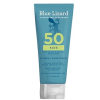
- Best Overall: Blue Lizard’s mineral sunscreen is appreciated for its UV-sensitive smart cap. Available in stick form for easy reapplication.
- Best without White Cast: NBC Select’s Becca Delman highlights a lightweight lotion that’s easy for children to apply without leaving residue.
- Best Lotion: Banana Boat’s fragrance-free lotion is eczema-friendly, offering quick absorption and water resistance.
- Best Stick: Neutrogena’s Sheer Zinc Stick is hypoallergenic, ideal for sensitive skin on noses and scalps.
- Best Powder: A mineral-based powder sunscreen by Roe allows quick reapplication, loved for its convenient brush applicator.
Specialized Options
Consider these options for sensitive skin or different needs:
- For Very Sensitive Skin: Aveeno offers a mineral lotion with soothing oat, preventing irritation.
- Most Moisturizing: La Roche-Posay’s lotion, suitable for older kids, offers chemical filters for easy blending and moisturization.
- Best for Babies: Aveeno for babies is gentle, effective for infants, but always consult a doctor for those under six months.
Sun Safety Tips
Besides sunscreen, additional steps include:
- Avoid midday sun exposure between 10 AM to 2 PM when UV rays are strongest.
- Dress children in UPF clothing, hats, and UV-blocking sunglasses.
- Provide shaded areas or use a beach tent for sun protection during outdoor activities.
Proper sunscreen application requires using visible amounts on exposed skin, with reapplication every two hours, especially after swimming or sweating.