
The evolution of college football has sparked nationwide debate, engaging everyone from college officials to President Donald Trump. A key topic is compensation for athletes, known as NIL (Name, Image, Likeness), which Nick Saban, Alabama’s head coach, predicts will intensify competition among schools.
Saban voiced concern about NIL creating an ongoing competition that disadvantages smaller schools. However, he did not address the significant rise in coaching salaries, improvements in facilities, or the consistent dominance of certain programs in national championships.
“NIL is going to create an endless arms race that would squeeze out smaller schools,” Saban stated.
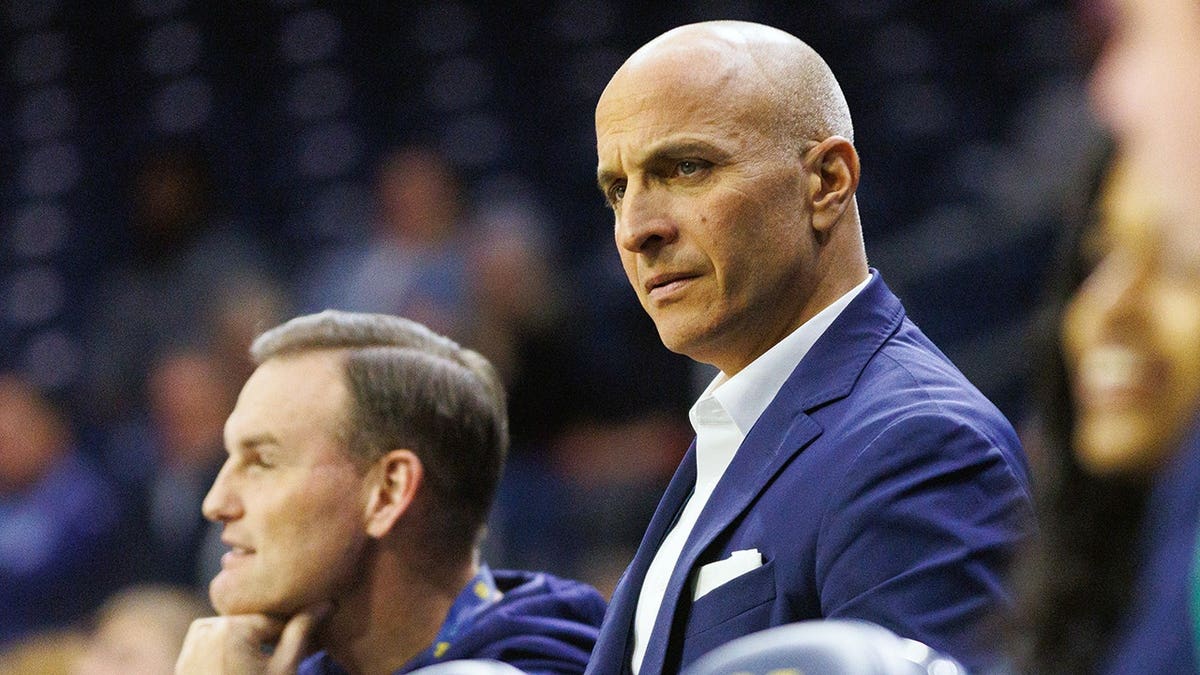
Another influential voice, Notre Dame’s athletic director Pete Bevacqua, recently addressed Congress. His remarks centered on the possible emergence of a “super league” in college football aimed at maximizing media earnings.
During his speech, Bevacqua illustrated a scenario where elite teams like Notre Dame could face powerhouse schools such as Alabama, Georgia, and Ohio State. This setup aims to attract media value comparable to the NFL.
“If you wanted to maximize media value around college football,” Bevacqua said, “I think you would take 24 to 30 teams, create unbelievably competitive scheduling.”
These suggestions ignited responses from other college football figures. Illinois head coach Bret Bielema criticized the idea, highlighting Notre Dame’s independent status in college football.
Bielema’s comments underscore the unique position that Notre Dame holds. Their agreement ensures a playoff berth if they rank in the top 12, something not available to schools bound by conference scheduling demands.
Bielema remarked, “Some guys really like to talk about something that could happen and who they might play. Actually, it’s pretty easy, just join a conference.”
Notre Dame’s independence allows them a lucrative TV contract with NBC. This deal provides financial benefits that other schools sharing conference revenues do not enjoy. Their flexibility in scheduling facilitates seasons where they are almost assured a playoff spot.
This independence raises questions in broader discussions of realignment. Coaches like Bielema question why Notre Dame should have an influential voice in shaping college football’s future.
Comparing 2026 schedules illustrates the differences. Illinois faces tough conference foes, including Ohio State and Oregon, with several teams ranked in the top 50. Notre Dame, however, plays fewer top-ranked teams and bypasses a conference championship game.
Notre Dame remains outside a conference because it favors their position. Bevacqua’s concerns about “super leagues” suggest a shift toward NFL-style consolidation, which might challenge Notre Dame’s status. Bielema’s views may reflect a growing sentiment among prominent coaches.