
Angel Leal Jr., an immigration attorney practicing in Doral, Florida, has seen his life unravel due to identity theft. Scammers use artificial intelligence to clone his image, name, and voice to deceive immigrants seeking legal aid. These scams deeply hurt him, especially the harm caused to the Hispanic community.
The Methods of Scam
Leal describes how fraudsters create fake contracts with his firm’s logo and forge his signature. Websites mimic his official site, and they even concoct fake immigration hearings where victims believe they have achieved residency or citizenship. Leal’s experience is part of a larger trend. According to the Federal Trade Commission, over 1 million identity theft scams in the U.S. caused losses of more than $3.5 billion last year, a 20% increase from 2024’s $2.95 billion.
The FBI warned of scammers impersonating lawyers and officials. Syracuse University’s Transactional Records Access Clearinghouse (TRAC) reported 3,318,099 pending immigration cases as of February, with 70% involving asylum-seekers. Fewer than one-third of immigrants facing deportation had legal representation, as TRAC data shows.
Exploitation of Vulnerabilities
Adonia Simpson, deputy director at the American Bar Association (ABA), highlights how fear from past immigration policies fuels the need for legal services. This, combined with AI and social media, has escalated fraud cases. Scammers misuse technology to create fake videos, photos, and contracts. Many of those swindled fear repercussions because they have relatives in detention.
Leal, whose reputation made him a prime target, explains that these scams start on social media and often end with fraudulent WhatsApp communications. He had to disable his firm’s WhatsApp channels and hired a company to report fake profiles. Despite spending significant resources, the calls from fraud victims persist.
The Pervasiveness of Fraud
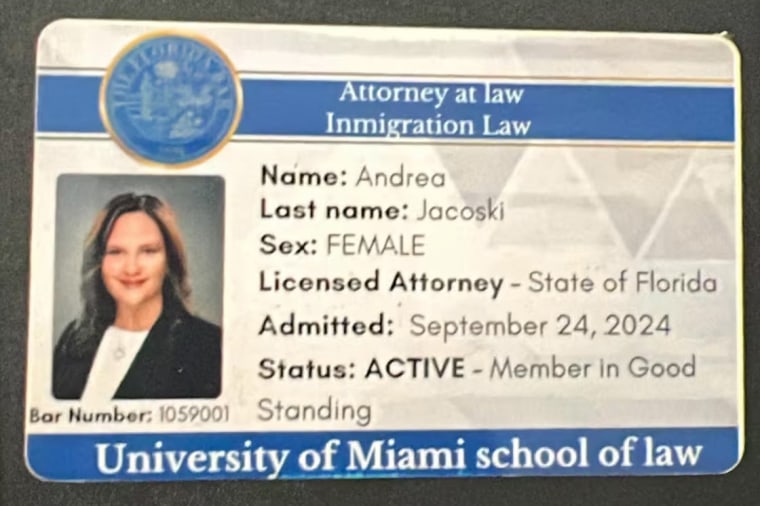
Andrea Jacoski from the University of Miami School of Law encountered similar fraud. Scammers used a fabricated ID with her details to deceive immigrants. She fears the scope of fraud might be extensive due to the federal nature of immigration law. Jacoski contacted various organizations and reported the incidents.
“It’s heartbreaking to see my license used against people I aim to help,” Jacoski stated.
Even the ABA’s logo was used in scams claiming offer of immigration services. The fraudulent contracts requested payments that don’t align with the organization’s practices. Eric Barragán Ramírez, associated with Catholic Charities, discovered his name on a fraudulent website impersonating law firms.
The Real Impact on Victims
Experts highlight that the real harm goes beyond financial loss. Misfiled asylum applications or missed hearings due to scams can prevent legal status attainment, potentially leading to deportation without the victim’s knowledge. Many victims, low-income workers with limited digital skills, gather information through social media, making them easy targets.
Fearful of consequences, victims rarely report these scams. Organizations such as the FTC and the Texas Bar Association acknowledge the increasing trend of immigration-related scams.
Fighting Back
Angel Leal vows to continue working with federal authorities to combat fraud. He advises the public to remain vigilant and ensure they’re dealing with legitimate legal sources.
This story was initially published by Noticias Telemundo.