
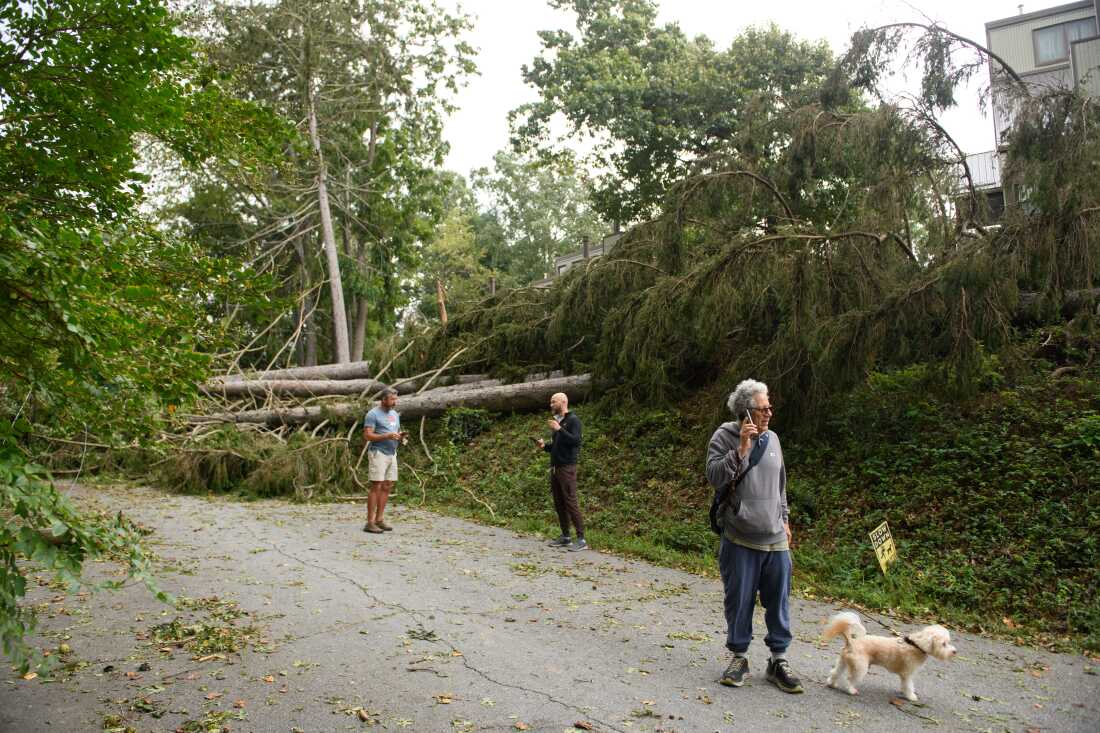
Residents in Asheville, North Carolina, faced significant challenges after Hurricane Helene caused record flooding and damage on September 28, 2024. Preparedness becomes crucial during hurricane season, particularly in regions like North Carolina’s Outer Banks where Anthony Leone and Corinne Saunders have experienced the routine for over 20 years. They take measures such as filling coolers, plugging in generators, and limiting cell phone usage to manage through the season.
Hurricane season occurs from June to November. Though the National Weather Service predicted below-average activity in the Atlantic for the first time since 2015, the risk of severe storms remains. Strong winds and rain can disrupt cell tower power supplies, leading carriers to fortify preparations using tools like artificial intelligence and drones.
Strategies by Cell Carriers
Verizon Wireless begins hurricane responses about a week before a forecasted storm. Senior VP Srini Kalapala notes employing drones to capture pre- and post-storm coverage images. AI technology assists in damage assessment and repair prioritization. Verizon also uses mobile units like “cells on wheels” and drones named “high altitude wireless kennewhat” to restore service quickly.
Similarly, AT&T prepares extensively, with a disaster response fleet including boats and helicopters, as explained by Shannon Browning, Associate Director of AT&T’s Network Disaster Recovery. These resources, often relocated nationwide for various disasters, allow response in swamps and mountainous areas. This approach integrates hurricane and wildfire response teams improving public safety measures.
At T-Mobile, Chief Operating Officer Jon Freier discusses preparations ranging from three to five months ahead of disasters. They provide free satellite service and use AI to extend backup battery duration during power outages, ensuring minimal disruption.
User Experiences
Anthony Leone shared inconsistent cell service experiences with various providers over the years. His current reliable service with AT&T includes timely alerts for storms and rapid post-storm restoration. Priority is given to first responders during emergencies, aligning network services accordingly.
Peter Antevy, Medical Director for Broward County, Florida fire departments, emphasizes carrier services’ role in enabling telemedicine and efficient 911 response coordination. In Texas, Amy Weber of the Galveston County Health District collaborates with Verizon and AT&T to align disaster response strategies.
Challenges in Service
Houston’s suburbs highlight connectivity issues. Jackie Santillan, facing poor T-Mobile service even on clear days, initiated a petition for improved infrastructure, garnering nearly 200 signatures. T-Mobile acknowledges such areas are a focus for continued investment in network resilience, 5G upgrades, and tower construction.