
The countdown to the 2026 NFL season has begun with only 100 days remaining. This period usually brings optimism to nearly every fan base. However, this year feels different. The league is seeing a shift similar to the NBA, where a few teams emerge as genuine Super Bowl contenders, while others gear up for the future.
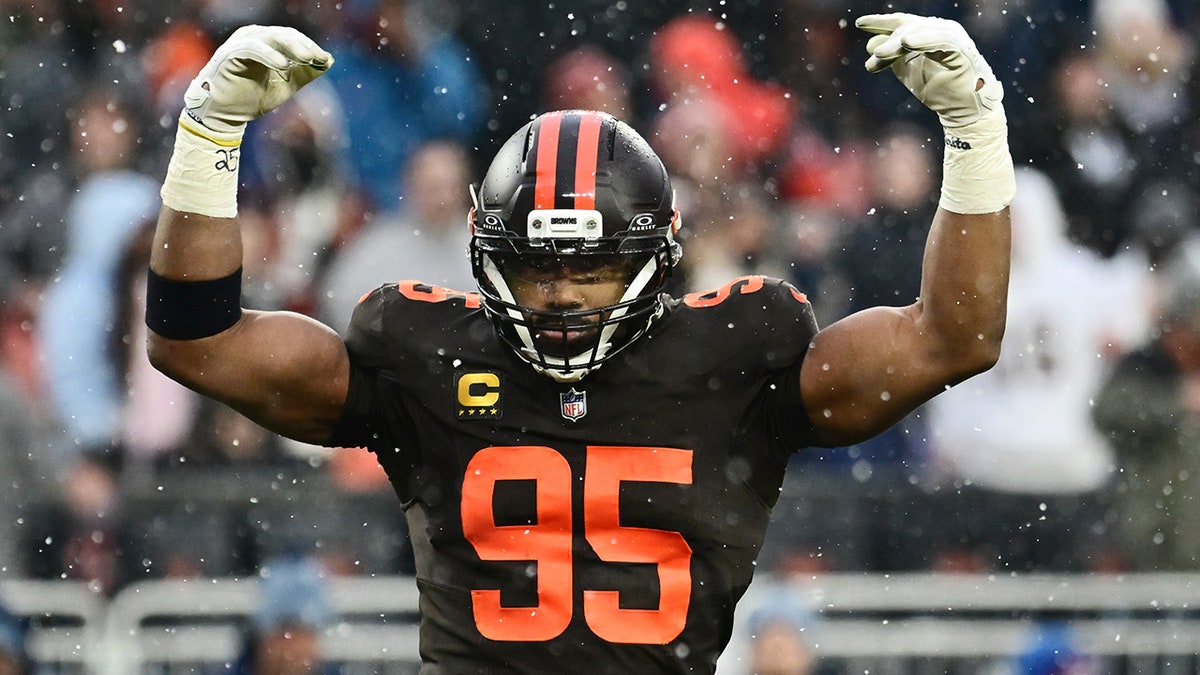
Recently, the Cleveland Browns traded their star pass rusher, Myles Garrett, to the Los Angeles Rams. The Browns received substantial compensation, including a first-round pick, Jared Verse, and additional draft assets. Garrett, who set a record with 23 sacks last season, undoubtedly leaves a significant void in Cleveland’s defense.
The Rams were already favorites for the Super Bowl, and acquiring Garrett only strengthened their position. Betting odds improved to +600, with contenders like the Bills, Ravens, and Seahawks following at +1000, according to DraftKings Sportsbook.
On paper, the Rams assembled an exceptional roster. They’ve crafted a lineup rarely seen in the modern NFL era, comparable to the 2007 Patriots. Last season, the Rams reached the NFC Championship Game but fell due to special teams errors. This offseason, they addressed the issue by hiring a new special teams coordinator and bolstered their roster with All-Pro and Pro Bowl talent.
Los Angeles also traded for cornerback Trent McDuffie and signed Jaylen Watson from the Chiefs. McDuffie ranks among the top five cornerbacks, while Watson is highly regarded for his abilities, finishing last season as PFF’s 17th-ranked cornerback.
The Rams now boast elite players in several key positions: quarterback, pass rush, cornerback, wide receiver, offensive line, tight end, running back, head coaching, and general management. This concentration of talent disrupts the NFL’s parity, a concept already faltering before this offseason.
Statistics show that in the last decade, only nine different franchises have appeared in the Super Bowl. More teams have reached multiple Super Bowls than have reached one. Notably, the AFC Championship Game has featured either the Chiefs or Patriots for over 15 years.
In recent years, four franchises have dominated the championships, with the Patriots, Chiefs, Eagles, and Seahawks sharing the titles. The Rams aim to join this elite group, looking for their second championship in five seasons.
This offseason, these teams remained aggressive. Kansas City acquired Super Bowl MVP Kenneth Walker, Philadelphia enhanced its defensive and offensive depth, and New England added A.J. Brown to its roster.
Conversely, several teams like Cleveland, the Dolphins, Cardinals, and Jets appear to be prioritizing the anticipated 2027 NFL Draft by parting with key players. This strategy leaves much of the NFL mired in mediocrity — competitive enough for playoffs, but not championships. The Steelers exemplify stability over ambition, embodying this trend.
The NFL landscape owes a lot to general managers, empowered to make bold moves. Figures like Les Snead (Rams), Howie Roseman (Eagles), Brett Veach (Chiefs), John Schneider (Seahawks), and Jason Licht (Buccaneers) were given the freedom to retain top talent and make crucial trades.
This competitive disparity poses a challenge for the NFL. The league’s previous reputation as a place where any team could win any game is under question. Fans today face increased demands, such as streaming services, international games, and fragmented viewing experiences.
The path to addressing these issues is unclear. Forcing spending changes among teams is not feasible, as seen in other sports leagues. The Rams’ acquisition of Myles Garrett highlights the complexity of this competitive imbalance.
The NFL risks becoming predictable, akin to the NBA’s reliance on a few dominant teams. As the 2026 season approaches, this familiarity may become more apparent to fans.