
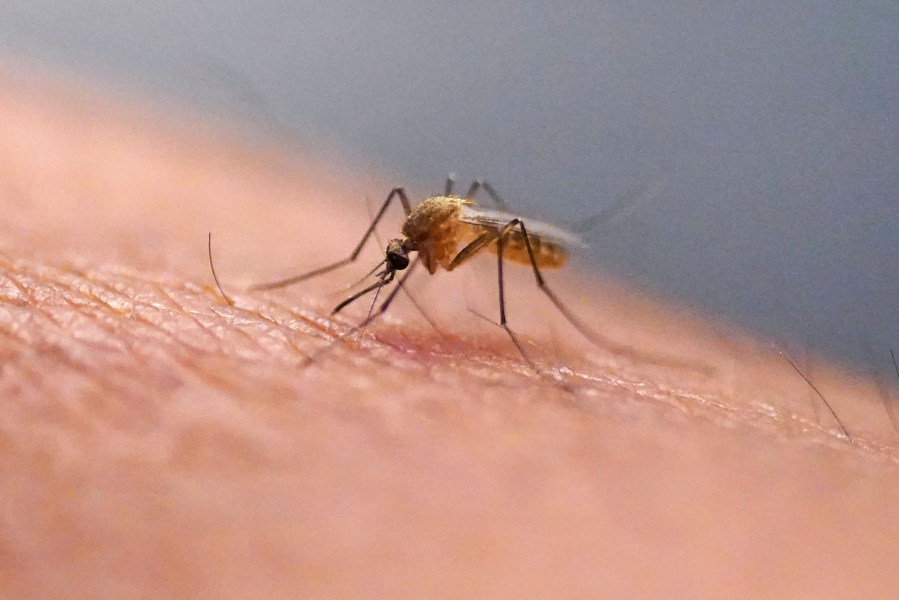
Google aims to combat disease-spreading mosquitoes by releasing up to 32 million sterile mosquitoes in California and Florida. This initiative, known as the ‘Debug’ program, focuses on using ‘good’ mosquitoes to eliminate the ones that carry diseases.
Mosquitoes are the deadliest animals, as reported by the Centers for Disease Control. Of the 3,500 species, Aedes aegypti alone transmits dengue fever, Zika, and chikungunya, affecting millions each year.
Google Debug identifies conventional methods like pesticides and clearing water sources as insufficient and seeks a novel approach. The solution involves introducing male mosquitoes with Wolbachia bacteria that prevent reproduction. These males do not bite or transmit diseases, leading to a population decline of harmful mosquitoes.
This method is chemical-free, toxin-free, and does not modify genes. Google, collaborating with international scientists, plans to use data analytics and automation to scale this ‘Sterile Insect Technique.’
Google’s Debug team actively engages with governments and communities to address local concerns before proceeding with mosquito releases.
The EPA reviews Google’s applications under the Federal Insecticide, Fungicide and Rodenticide Act. If approved, up to 16 million mosquitoes would be released in Florida in the first year and another 16 million in California in the second year.
Public comments on the proposal are welcome through the Federal eRulemaking Portal by entering docket ID EPA-HQ-OPP-2025-3951.
For more details, visit Google’s ‘How we stop bad bugs’ webpage.