
Election Results Raise Concern
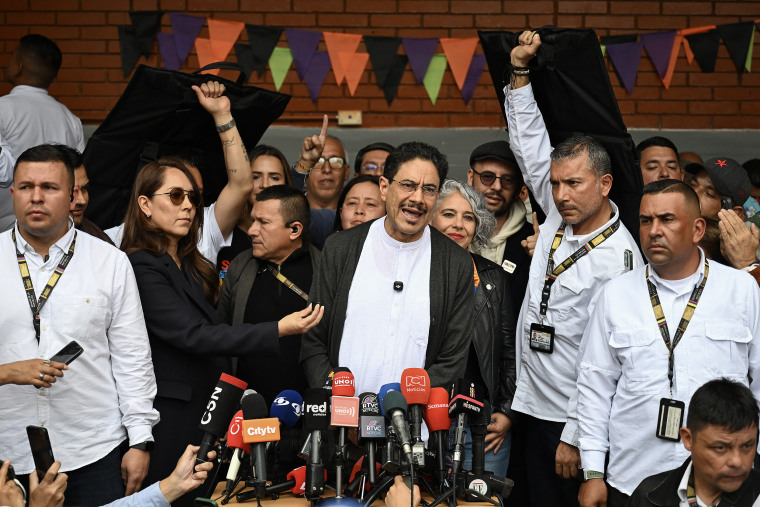
Colombia encountered political tension following its recent election. The outgoing President Gustavo Petro voiced skepticism about the results. His preferred candidate, Iván Cepeda from the Pacto Histórico party, faced defeat by right-wing competitor Abelardo de la Espriella. Neither secured more than 50% of the votes in the initial round.
With over 99% votes counted, de la Espriella, founder of Defensores de la Patria, led with 43%, while Cepeda trailed at just over 40%. Petro criticized the vote counting software, claiming flaws and alleging unauthorized IDs were mistakenly added. Cepeda also questioned the results, mentioning miscounted votes and discrepancies.
Electoral Watch and Dispute
The National Civil Registry, responsible for managing preliminary results, declared high precision rates for congressional election counts. Juanita Goebertus, Americas director of Human Rights Watch, assured the electoral system’s reliability, urging respect for results and international support for the election process.
The situation sets up a confrontation between Cepeda, a left-wing senator and peace negotiator, and de la Espriella, known for aligning with former U.S. President Trump and advocating stringent crime measures.
Candidates’ Outlook and Alliances
Abelardo de la Espriella aims to emulate tactics from El Salvador’s gang wars, appealing to over 10 million supporters. The runoff is scheduled for June 21.
Paloma Valencia from the Centro Democrático party failed to advance, earning less than 7% of votes. Voters dissatisfied with Petro’s tenure may shift support to de la Espriella, a move Valencia endorsed after the election results were announced.
Impact of Peace Pact and Violence
This election reflects on Petro’s policies and occurs a decade after Colombia signed a peace pact with FARC guerrillas. Although hopes were high for peace, violence resurged, affecting the political landscape. Armed attacks, including a fatal shooting of a politician last year, have heightened tensions.
International Diplomacy and Reactions
Petro, Colombia’s first leftist president of the modern era, has had notable disputes with Trump, using these to enhance his image. However, a recent meeting showed improved relations, despite other U.S. officials spotlighting de la Espriella as a preferable candidate.
U.S. Senator Bernie Moreno, advising Trump on Colombian policy, highlighted the pivotal nature of these elections for Colombia. Moreno planned to serve as an international observer to ensure fair election practices. Petro insisted on separating political statements from electoral oversight duties.
Additional U.S. lawmakers, such as Rep. Maria Elvira Salazar and others, endorsed de la Espriella, congratulating him for leading the polls.