
Monitoring the Eastern Pacific
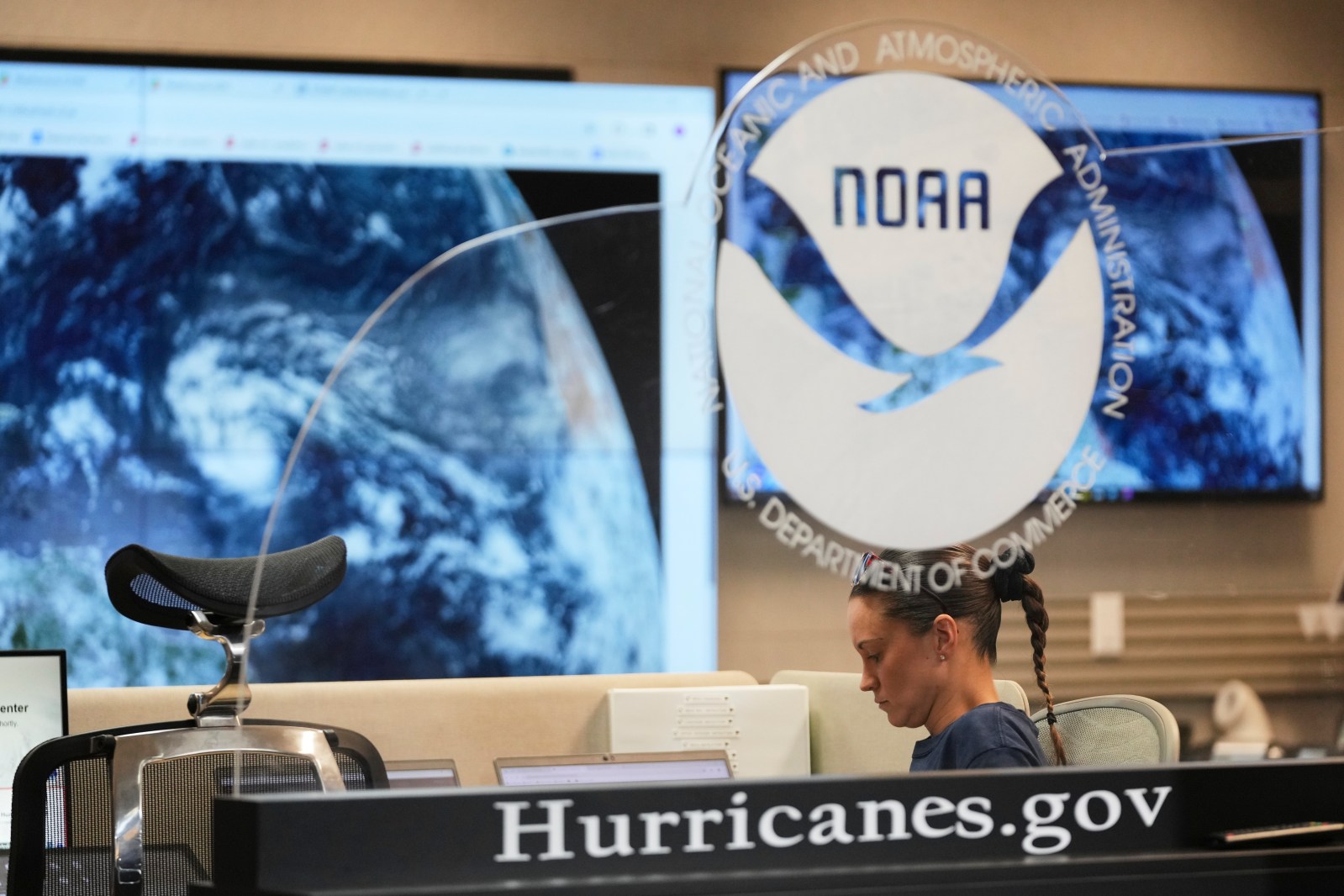
The National Hurricane Center (NHC) is closely watching a tropical system poised for development in the eastern Pacific next week. This marks the first significant formation signal of the 2026 season in this region, standing in contrast to the quiet Atlantic conditions.
Although this potential system is expected to stay far from the U.S. West Coast, meteorologists highlight the impact early-season disturbances can have on marine conditions and weather patterns. Typically, the Pacific hurricane season begins earlier than the Atlantic, yet 2026 has seen no named storms so far as of May 29. Meanwhile, the Atlantic season officially starts on June 1, with NOAA predicting a below-normal season overall.
Current Outlook from the NHC
In an update on Saturday morning, the NHC reported that a broad low-pressure area is anticipated to form early next week, well southwest of the Baja California Peninsula. Environmental factors are conducive to development, and a tropical depression is likely by mid-week, moving westward or west-northwestward at speeds of 10 to 15 miles per hour. The NHC has given the disturbance a high 7-day formation chance of 80 percent.
The Atlantic basin, on the other hand, shows no signs of early activity. As of Saturday morning, the NHC noted the absence of active tropical cyclones in the Atlantic and no monitored disturbances for development.
2026 Atlantic Hurricane Season Predictions
The 2026 Atlantic hurricane season is expected to be quieter than recent years. NOAA’s projections indicate a below-normal storm count caused by cooler-than-average sea-surface temperatures and decreased atmospheric instability. This differs from the hyperactive seasons common earlier in the 2020s.
Meteorologists attribute this quieter pattern to factors like reduced ocean heat, weak La Niña conditions, and increased wind shear, all contributing to lower storm formation. Despite these predictions, forecasters remind that a below-normal season does not mean zero risk. A single storm forming near land or quickly gaining strength can still pose serious threats, especially to the Caribbean, Gulf Coast, or U.S. East Coast.
Cyclone vs. Hurricane: Understanding Terminology
Though different in name, “cyclone” and “hurricane” describe the same type of weather system—a rotating, organized storm over warm ocean waters. The different terms are based on geography. Despite regional naming, these systems share similar structures, hazards, intensity scales, and can cause significant wind, storm surges, heavy rainfall, and dangerous marine conditions.
Challenges Facing FEMA
The upcoming season presents logistical and budgetary challenges. FEMA’s disaster fund is reportedly low as the 2026 hurricane season approaches, raising concerns about the agency’s ability to manage operations in the event of a major storm without congressional intervention.
Structurally, FEMA is undergoing changes. A January 2025 executive order by President Donald Trump established the FEMA Review Council to address bureaucratic inefficiencies. The council’s final report, delivered May 7, proposed transferring more disaster response responsibilities to individual states. DHS Secretary Markwayne Mullin is overseeing this transition.
“FEMA is not the first responder, but a force multiplier aligning with states, tribes, and local governments to ensure effective recovery,” said Mullin. “We are committed to transforming FEMA into a focused agency that delivers results. Our readiness is strong, and we are equipped to face upcoming challenges.”