
A Lasting Impact: AIDS and the Community’s Response
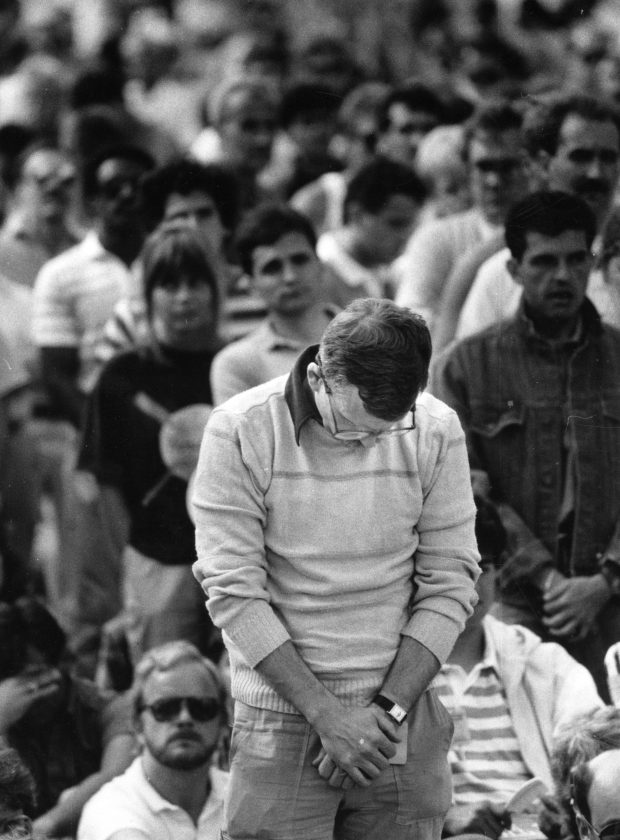
Forty-five years ago, a New York Times article introduced the term ‘gay cancer,’ unknowingly signaling the start of a profound public health crisis. By the 1990s, many, including young lawyer Julie E. Justicz, worked tirelessly with AIDS Legal Council of Chicago. This team assisted people living with HIV/AIDS in preparing legal documents such as wills and powers of attorney, offering vital support at critical moments.
A notable experience involved a client, Rex, whose story remains deeply engraved in Justicz’s memory. In his 20s, Rex invited the council to his home for legal preparations, expressing gratitude while surrounded by friends who provided compassion and shared experiences. The community’s love and care were evident, creating a unique dignity in the face of adversity, even as Rex passed away shortly after his documents were finalized.
Knowing the realities of living with AIDS during that era, filled with fear and pain, Justicz reflects on the societal neglect those affected faced. Despite the imminent breakthrough of effective HIV medications, individuals like Rex persevered amidst isolation and minimal political action. In united efforts, they formed networks of care in various locations, revealing the beauty and injustice intertwined in their struggle. While treatments have since transformed AIDS into a manageable illness, the enduring lesson centers on the compassion shown in waiting for broader recognition and support.
Julie E. Justicz, executive director of Legal Council for Health Justice (formerly AIDS Legal Council of Chicago)
Enduring Memories and Their Impact
Georgiana Atkins Havill emphasizes how memories tied to tragic events maintain their presence in our lives. Sharing her experience with the impact of American Airlines Flight 191’s crash, she relates this to her personal tragedy—a car accident that claimed her mother’s life and injured several family members. The trauma continues to resonate, affecting how she navigates the path linked to those haunting memories.
While logic may not explain the connection felt to places where loss occurred, it’s human nature to hold onto such associations. Havill recounts how one incident changed her relationship with a road in Virginia, reflecting on how memories of those lost keep them present in our minds.
Georgiana Atkins Havill, Winter Park, Florida
Daily Challenges Reflected in a Familiar Face
Jordan McClements shares the struggle with addiction and loss, relating it to a local man known for standing at a main intersection asking for help. While McClements cannot offer financial assistance, the sight of ‘John Elway’ brings relief in knowing he’s alive. John’s presence serves as a metaphor for broader societal issues, urging a reflection on who we assist beyond ourselves.
Symbolizing America, John prompts questions on advocacy and support for community members in need. McClements’s observations connect personal experiences to broader societal challenges, compelling readers to consider collective action for those we encounter daily.
Jordan McClements, Chicago
Embracing Identity Amidst Discord
Margaret Sents reflects on the significance of maintaining visible pride amidst growing antisemitism. Rabbi Debra Newman Kamin advocates for Jewish people to remain steadfast against such hostilities. Similarly, Steven D. Reske encourages drawing inspiration from jazz musician Miles Davis, who turned dissonance into harmony, paralleling this notion with societal responses.
Sents emphasizes historic American resilience during challenging periods, urging pride in identity and collective growth. From the Civil War to civil rights movements, the call for public recognition and unity resonates across generations, fostering harmony amidst discord.
Margaret Sents, Glenview