
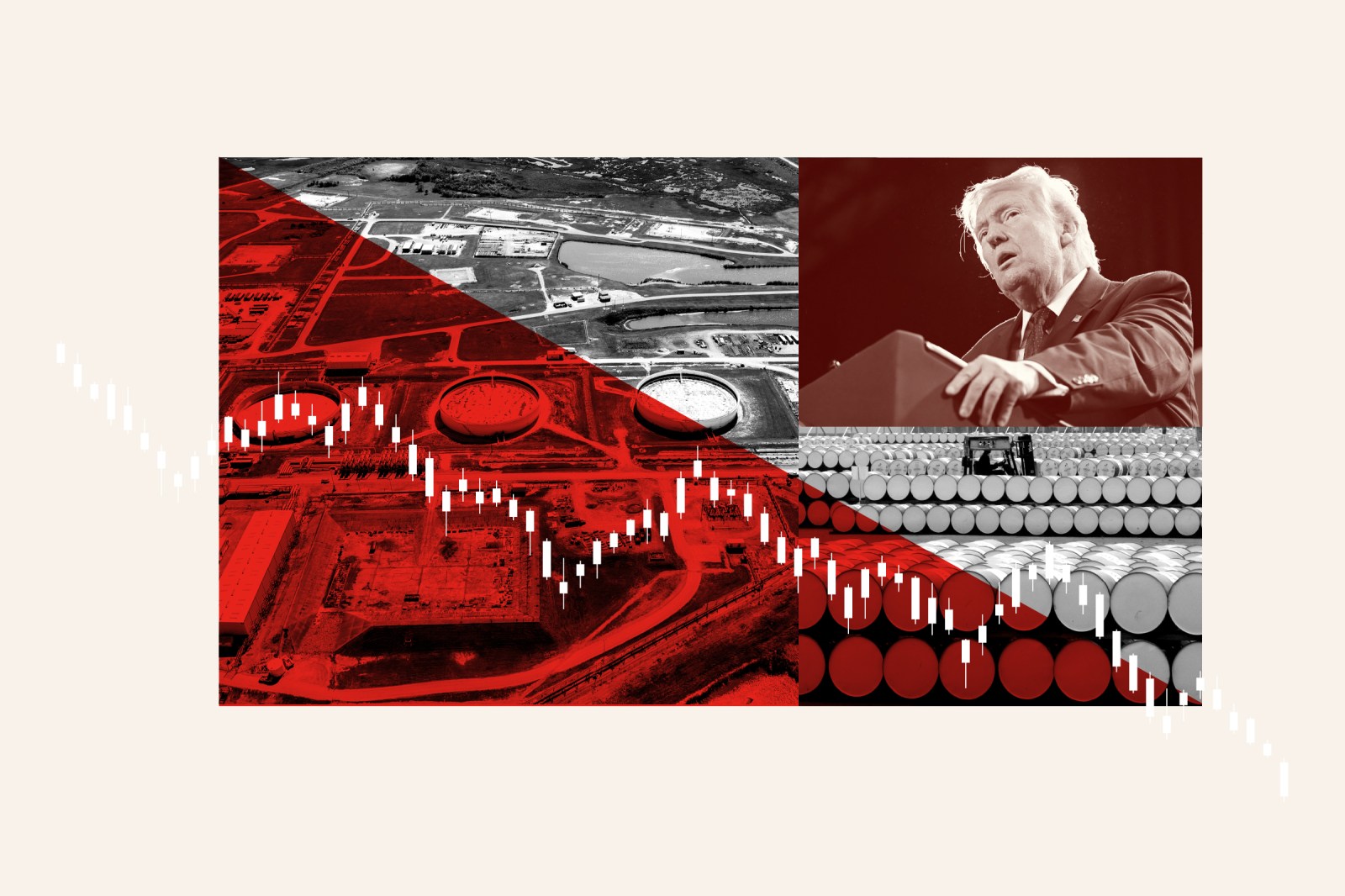
The United States is witnessing a rapid decline in oil stockpiles. U.S. crude inventories have seen consecutive weekly decreases, with exports on the rise. The nation is also utilizing its emergency reserves to counteract the global energy market impact caused by the conflict with Iran. Recently released data from the U.S. Energy Information Administration (EIA) revealed that, for the week ending May 15, crude inventories dropped by 17.8 million barrels. This record decline follows weeks of similar trends, bringing total stocks, including the Strategic Petroleum Reserve, to their lowest point in nearly a year.
Analysts have expressed concerns to Newsweek over these declines. They suggest that shrinking inventories erode a crucial safety buffer meant to shield the U.S. from major supply shocks. This could lead to less flexibility if situations worsen. Since the conflict began on February 28, the closure of the Hormuz Strait—through which roughly one-fifth of the world’s oil passed—has pushed global oil prices to multi-year highs. The director of the International Energy Agency labeled this as the “largest energy crisis in history.” In the U.S., drivers now face significantly increased costs, with gas prices around 50 percent higher, averaging over $4.50 per gallon. Other products like jet fuel have also seen comparable price increases.
Where Is America’s Oil Going?
Under President Donald Trump’s second term, U.S. oil inventories initially increased, aligning with the pledge to replenish strategic reserves. However, the latest EIA Petroleum Status report shows consecutive weekly drops, bringing stockpiles down to June 2025 levels. Crude oil inventories are currently around 2 percent below the five-year average, excluding those in the Strategic Petroleum Reserve. Distillate inventories, including diesel fuel and heating oil, are even further below typical levels.
“We’ve Only Just Begun,” said energy analyst Tom Kloza to Newsweek, emphasizing the growing concerns.
Kloza, a chief energy advisor at Gulf Oil, noted that industry observers seem to be overlooking warning signs regarding potential gas and diesel price impacts in the U.S. Bob Yawger, director of energy futures at Mizuho, indicated that at the current pace, crude inventories could fall below 400 million barrels in nine weeks. By then, East Asian and European nations might also face critical levels, requiring more exports from the U.S. and accelerating domestic declines.
According to Bob McNally, founder of the Rapidan Energy Group, inventory drawdowns have so far cushioned the impact on rising oil prices. However, as these inventories decrease to operational minimums, their buffering effect will diminish. The reduced Hormuz supply loss will need to be managed through demand reductions, necessitating even higher oil prices.
Trump Taps Strategic Reserves Amid Criticism
Much of the recent decline in inventories stems from the U.S. releasing supplies from its Strategic Petroleum Reserve (SPR). In March, the Trump administration announced the release of approximately 172 million barrels from the SPR over 120 days, as part of a global effort to lower energy prices. Trump defended this action, stating the U.S. could refill the reserves later. In 2022, President Joe Biden ordered a historical release from the SPR — around 180 million barrels — following Russia’s invasion of Ukraine. Trump criticized Biden then, highlighting the reserve’s purpose as an emergency buffer rather than a price management tool.
Facing today’s challenges, Trump has turned to this tool, albeit amid different geopolitical issues. Economists note both presidents have utilized the SPR to reduce short-term fuel prices. However, rapidly depleting the reserve without resolving the Persian Gulf situation could result in its near depletion.
U.S. Boosts Record Exports
In response to a worsening energy crisis in Asia and Europe, the U.S. has stepped up exports, reaching record levels. This action has provoked some criticism over the potential impact on domestic prices.
“Why would we be sending our oil overseas when Americans face high prices at the pump?” questioned Representative Ro Khanna.
Khanna proposed legislation to restrict exports when gas prices exceed certain levels. However, global oil and product markets are interconnected. Shortages affect Asia and Europe more significantly, driving them to pay higher prices. Economist Willy C. Shih argues that banning exports could weaken the U.S. position globally and have significant geopolitical effects.
Bob McNally warns that restricting exports could lead to soaring global oil prices, with initial price drops in certain U.S. regions quickly followed by increases. Energy analyst Philip Verleger highlighted the U.S.’s critical role in supplying the world, noting that halting exports could trigger a “real trade war” and potentially lead to a severe global economic downturn.