
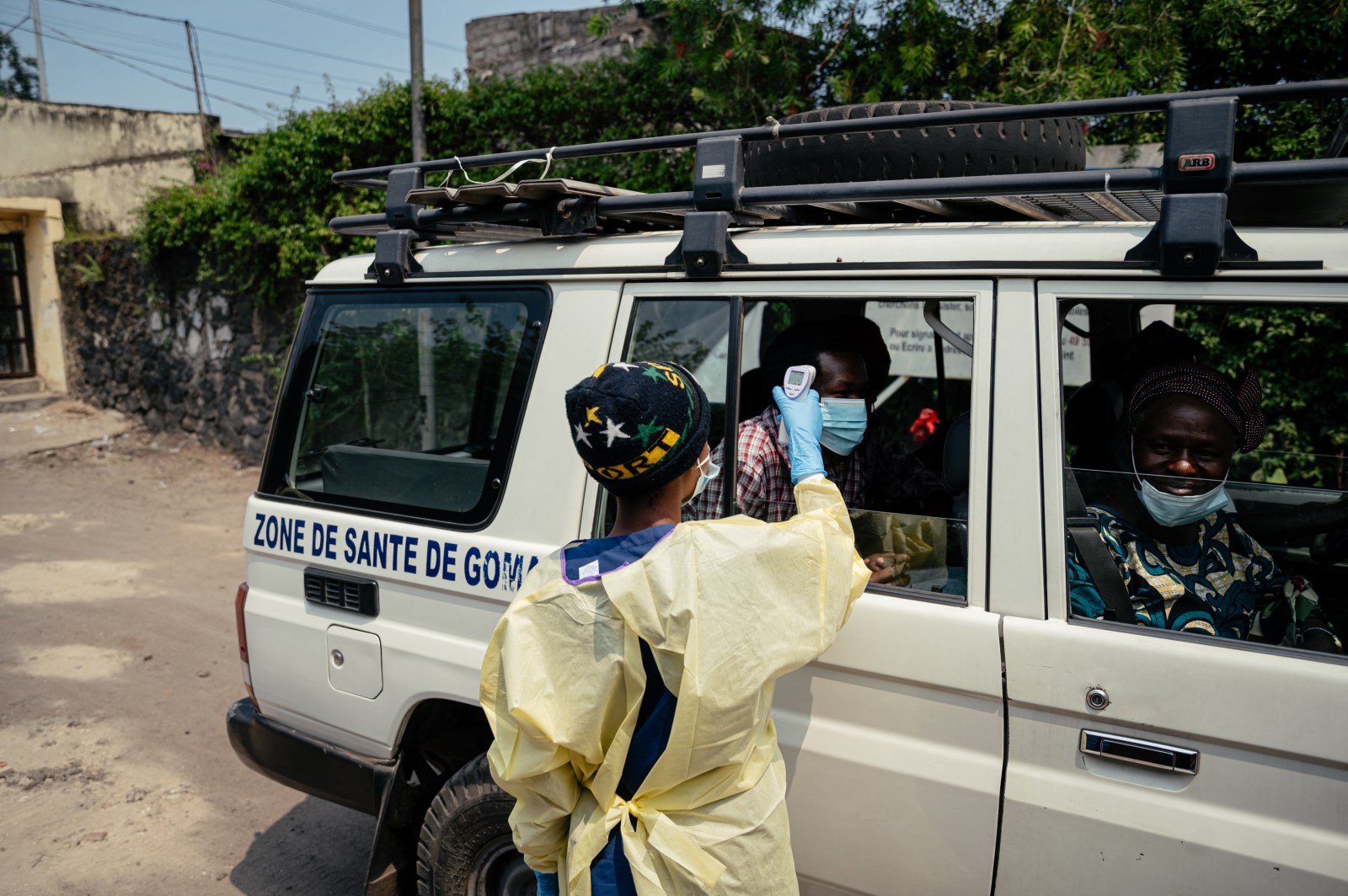
For many in the U.S., Ebola seems like a distant crisis. But history tells us it isn’t. The 2014 West African Ebola epidemic claimed over 11,000 lives and disrupted health sectors in Guinea, Liberia, and Sierra Leone. It also reached nations like the U.S., Italy, Nigeria, and the UK. The World Bank noted that the epidemic cost West Africa billions economically.
Luck alone didn’t prevent a worse scenario. A global outbreak-response system built on international cooperation, disease surveillance, and substantial funding from the U.S. and Europe played a crucial role. During that time, the U.S. allocated more than $5.4 billion to Ebola preparedness and response efforts.
Now, another Ebola outbreak threatens. This time, the systems to counter such crises are weaker. The Democratic Republic of Congo (DRC) and Uganda are facing the Bundibugyo strain, a rare variant that initially challenged lab identification. By the outbreak’s confirmation, the virus had spread through funeral gatherings and crossed into Uganda, affecting regions already troubled by conflict.
The World Health Organization (WHO) labeled this a Public Health Emergency of International Concern, with over 860 suspected cases and 200 fatalities reported. Unlike the Zaire strain, no approved vaccine exists for Bundibugyo Ebola, which makes communities vulnerable to preventable deaths.
Experts are concerned because the Bundibugyo strain’s behavior deviated from previous Ebola outbreaks, and current systems didn’t fully anticipate its impact. Africa CDC highlights the dangers tied to the lack of vaccines and treatments.
The problem isn’t just viral; it’s also institutional decay. U.S. agencies like USAID and CDC once supported epidemic preparedness globally, but recent policy shifts have weakened these efforts. Since January 2025, changes in U.S. foreign assistance policies have disrupted programs, especially in places like the DRC. Secretary of State Marco Rubio announced USAID would halt many foreign aid programs. The policy shift left international disease surveillance programs uncertain.
This outbreak remains manageable. Many systems from the 2014 Ebola epidemic are still operational and need swift mobilization to prevent further deaths. However, spending cuts in countries like the UK are reshaping global assistance, impacting sectors like health.
Global health security equates to domestic security. Infectious diseases respect no borders. Recent cases in the DRC involving American healthcare workers illustrate this. The retreat of wealthy nations from previously protective systems is concerning, as pathogens exploit global disparities.
Thoai D. Ngo, PhD, MHS, chairs Columbia University’s Heilbrunn Department of Population and Family Health. The opinions in this article are the author’s.