
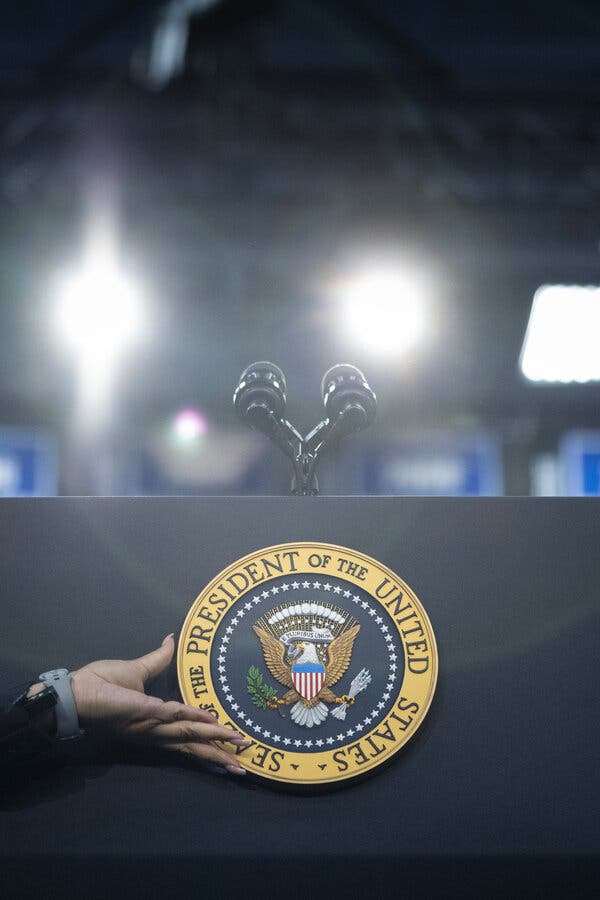
The United States Constitution, revered as the nation’s founding document, displays a significant oversight that current events are bringing to light. The founders intended to create a powerful executive office, yet one that remained within limits.
At the Constitutional Convention in June 1787, Benjamin Franklin warned of the potential dangers of establishing the presidency. He remarked that while an initial leader like George Washington might be beneficial, future leaders could pose risks. He predicted that the executive branch could expand unchecked, possibly leading to monarchy.
The framers attempted to balance by crafting a constitution that defined a presidency meant to be decisive and responsible. They sought mechanisms to limit a president from assuming too much power. The debate on how to achieve this balance included differing views. Alexander Hamilton, a proponent of a strong presidency, even proposed lifetime terms for presidents. Yet he warned in The Federalist Papers of the dangers posed by populists who might transform from demagogues into tyrants.
The Constitution’s architects were insightful, creating a document that has lasted centuries. It is the oldest national constitution still in use today. However, as the country celebrates its 250th anniversary, some scholars question whether the document effectively ensures the balance intended by the founders. Recent political events highlight this ongoing debate.