
Ceasefire Extension and Strait of Hormuz Reopening
Two regional officials informed CBS News about a potential deal involving an extension of the current ceasefire for 60 days. Pending approval from Iran, the draft memorandum of understanding includes Iran reopening the Strait of Hormuz. The immediate steps aim to restore traffic to pre-war conditions within 30 days.
Both Iran and the U.S., alongside their allies, would declare an end to all military operations, including those in Lebanon. The commitment includes not initiating any wars or using threats of force. Additionally, Iran reaffirmed its stance against developing nuclear weapons.
On the matter of enriched uranium, Iran agrees to dispose of its stockpile under a mutually agreed mechanism. Financial assets frozen due to sanctions will be addressed according to Iran’s compliance with these terms.
Trump and the Abraham Accords
President Trump stated on Monday that talks with Iran were progressing well. He emphasized the importance of Gulf allies signing the Abraham Accords. Following discussions with regional leaders, he suggested that participation in the Accords should be mandatory as part of the peace deal with Iran.
Trump expressed readiness for a historic settlement, urging Saudi Arabia and Qatar to join quickly. He stressed that this deal would be unprecedented in its significance.
Republican Senator Lindsey Graham supported Trump’s stance, urging him to secure a good deal with Iran and ensure Saudi Arabia’s participation in the Accords.
Israeli Demands Amid Discussions
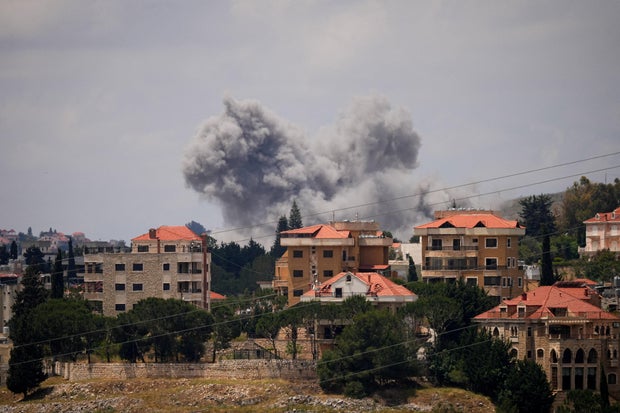
Israel’s national security minister, Itamar Ben-Gvir, called for Prime Minister Netanyahu to resume intense military actions in Lebanon. This position comes amidst U.S.-brokered ceasefire efforts. Despite these diplomatic moves, fighting persists in Lebanon between Israel and Hezbollah.
Netanyahu, following conversations with Trump, reiterated Israel’s right to self-defense. Ben-Gvir called for aggressive actions, including cutting off power in Lebanon and reoccupying southern Lebanon.
Iran’s Position on Strait of Hormuz
Iran clarified its stance on the Strait of Hormuz. The Foreign Ministry spokesman, Esmail Baqaei, stated no tolls would be charged for passage, though costs for navigation and environmental protections would apply. Iran, collaborating with Oman, aims to ensure safe passage through this vital shipping lane.
Deal Progress and Nuclear Discussion
The U.S. and Iran continue negotiations amidst obstacles, particularly related to frequent U.S. position changes. Talks focus on ending the war and reopening the Strait of Hormuz, with Iran highlighting the issue of U.S. maritime blockades. Any agreement will initiate a 60-day period to address nuclear issues.
Trump insists any deal with Iran will starkly differ from the 2015 nuclear agreement, which he criticized. He maintains a focus on preventing Iran’s nuclear weapon development.
Chances for a Resolution
U.S. Secretary of State Marco Rubio noted a potential agreement could be reached soon, stressing Israel’s defensive rights. While expressing support for opening the straits, he highlighted the broad backing this plan holds within the Gulf region.
During ongoing discussions, Iran-U.S. talks have led to broad agreements on key matters. However, signing a finalized deal remains tentative without fixed timelines, given the dynamic negotiations.