
Bennie Currie, a long-time resident of Hyde Park, envisions his neighborhood as a place for young people. He focuses on community elements rather than security issues. When a large teen gathering was rumored to take place in Hyde Park, Currie organized a counter-event, aiming to prevent undesirable outcomes. Similar events have raised concerns, especially after a past gathering resulted in the tragic death of a teenager.
Currie prefers the term “deterrent presence” instead of “parent takeover.” He believes in creating a positive community environment. This perspective is shared by many locals and city officials, including Mayor Brandon Johnson and Police Superintendent Larry Snelling, who are addressing the issue of teen gatherings.
Responses to Teen Trends
Since the COVID-19 pandemic, teen gatherings have become more common, often happening in affluent areas. Chicago officials are working to maintain crime reduction through initiatives like summer job programs and organized activities.
This summer, administrative changes within the public safety team are anticipated. Chief of Patrol Jon Hein is retiring, and Emmanuel Andre has taken the role of deputy mayor for community safety. Surpassing last year’s crime reduction is the goal.
“The city is exploring creative responses to these trends,”
said Andre. Arrests are not viewed as a sole solution.
The Challenge of Teen Gatherings
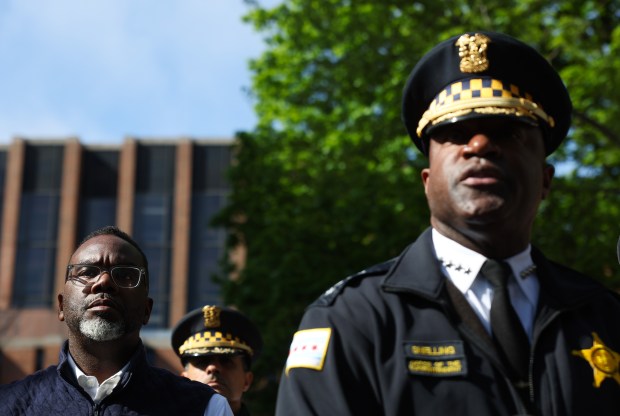
Snelling observed that youths gather peacefully in Chicago’s high-traffic areas. However, “trends” seek to create disorder. He highlighted the need for accountability among teenagers, underscoring their ability to discern right from wrong.
Johnson’s administration emphasizes providing resources for young people. He believes offering engaging and safe activities is key. Programs like Chicago Youth Works provide jobs to citizens aged 14 to 24 with local organizations and companies. The “My Chi. My Future.” program also hosts youth events, fostering safe spaces for enjoyment.
Snelling focused on preparing for major summer events, canceling days off for police around Memorial Day. He stressed the importance of adults guiding the youth and noted that government alone cannot shoulder this responsibility.
Community Involvement
Currie warns of the necessity for adults to act as positive influences in instances of potential teen trends. His seven-year-old initiative, CollaBOOration, aligns with such efforts. In April, Currie noticed success when credible reports of a Hyde Park event did not materialize into chaos.
Many neighbors united to walk through potential gathering spots, engaging teens rather than challenging them. Currie supports a proactive rather than reactive approach, emphasizing safety and community engagement over police intervention.
Residents like Julie Less recognize the decline in communal spaces as a factor in teen gatherings. She believes in offering structured activities and serves on the board of The Blue Gargoyle, a service aiming to prevent violence through engagement.
Continuing the Effort
Chicago has seen crime levels stabilize, with a slight increase in murders compared to last year. However, federal funding cuts have affected community violence programs.
While “takeovers” occur in popular areas, most violence remains concentrated in specific neighborhoods. New efforts to balance high-profile concerns with everyday public safety are necessary.
For activists like Samuel Castro, summer represents a consistent workload. He emphasizes ongoing efforts, extending peacekeeper operations to reduce violence.
Rev. David Kelly’s organization focuses on engaging young people through community interaction. By doing so, they aim to reduce fear and foster understanding among youth. He believes community presence makes a significant impact on behavioral changes.