
In June, immigration agents forcibly entered an Oxnard auto body shop. Juan Carlos Ramirez, a U.S. citizen, recorded as they arrested his father. The agents then used pepper spray on Ramirez, striking him and pinning him against vehicles, as per a legal claim he filed later against the federal government.
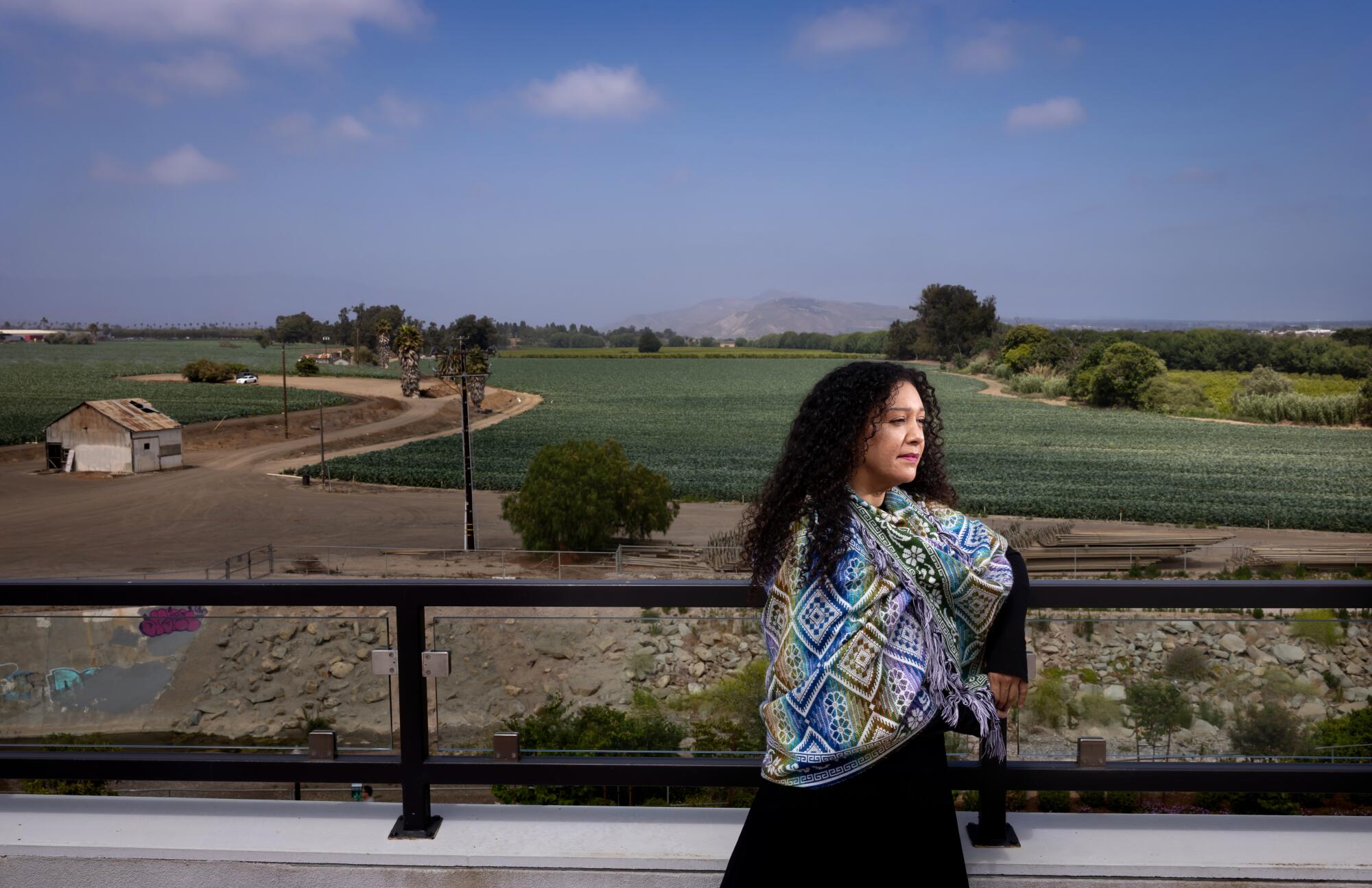
Local attorney Vanessa Valdez criticized Ramirez’s arrest at a city council meeting. A month later, she was caught in a similar incident during a raid on Glass House Farms. Identifying herself as a legal observer, Valdez claimed agents, or possibly National Guard, used tear gas and rubber bullets against her. “They were just shooting aimlessly,” she stated. Valdez experienced severe pain and was unable to sleep comfortably for weeks.
Both Ramirez and Valdez are among many claimants seeking damages for harm during immigration enforcement under President Trump. For Valdez, this includes medical expenses, lost wages, and therapy costs. The Times found claims totaling at least $260 million after reviewing public accounts, legal documents, and interviews.
Homeland Security spokesperson Lauren Bis stated ICE officers follow high professional standards. She said pepper spray was used in Ramirez’s case due to his non-compliance and physical aggression. Bis denied the use of rubber bullets, claiming chemical irritants were used after attempts to breach a perimeter.
Experts note the complexity of the Federal Tort Claims Act process, anticipating prolonged cases with eventual lawsuits if claims are denied. The act is a key legal path for financial compensation when federal employees cause harm.
Claims are expected to rise as attorneys nationwide prepare to file tort claims. Jonathan Feinberg, an attorney with expertise in excessive force, believes significant damages will be legally owed. Tort claims differ from civil rights lawsuits as judges, not juries, decide outcomes.
The Times reviewed claims filed since 2025, many still under review. Most will likely proceed to lawsuits this year. Historical legal precedents allow suing state and local officials for rights violations, but not federal actors until a century later.
California Democrats aim to simplify seeking damages against federal agents with proposed legislation, similar to laws in several states. But federal tort claims require navigating exceptions that protect agencies’ policy-driven decisions from liability.
Law professor Benjamin Zipursky emphasized the challenge tort lawyers face over discretionary function exceptions. They argue acts like shooting without threat should not be policy judgments.
John Burris, involved in Rodney King’s historic case, is preparing tort claims in Minnesota from immigration actions. He noted parallels with past police impunity and current public reluctance to accept such actions unchecked.
Public dissent grew after the shooting deaths of two U.S. citizens by immigration agents in Minneapolis. Cases like these prompt tort claims from families of those adversely affected, including Renee Good and Ruben Ray Martinez.
Notable discipline has occurred with new cases such as Marimar Martinez’s shooting in Chicago and Mahmoud Khalil’s 104-day detention. Weekly filings add to mounting legal responses.
Seventeen individuals detained in a military-style raid in Chicago filed tort claims for substantial sums. Bis maintained that many claims resulted from hostile actions against agents.
Willy Wender Aceituno, a U.S. citizen, also filed a tort claim following aggressive arrest tactics and a warrantless stop, recalling traumatic childhood experiences and fearing racial persecution. Bis noted Aceituno’s non-compliance escalated the situation.
Lawyers indicate fear among immigrants deters them from pursuing claims, with some deported before suing. Iván Espinoza-Madrigal from Lawyers for Civil Rights highlighted the courage needed to challenge a targeting administration.
Individuals like Jose Pineda, detained without explanation, suffer financially and emotionally. His arrest led to worsened health issues and job demotion. Loss of personal funds heightened his distress, causing family separation during sleep due to fear-induced behaviors.