
California’s High-Speed Rail Plans Under Scrutiny
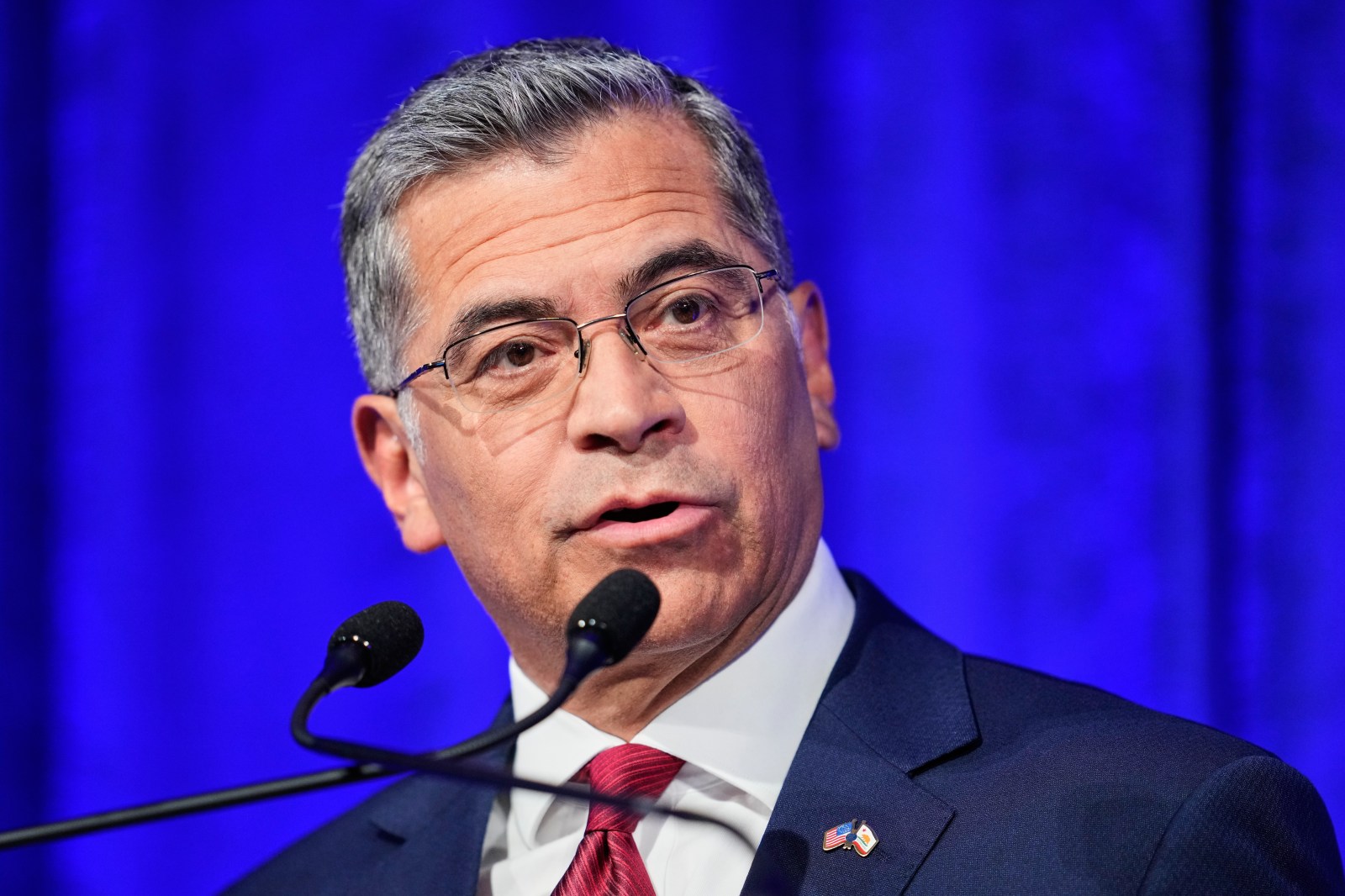
With the California gubernatorial election approaching, Xavier Becerra has stirred attention by promising to overhaul the current high-speed rail project to ensure its timely completion. The initiative, designed to transport passengers between Los Angeles and San Francisco at impressive speeds of up to 220 miles per hour, faces several obstacles. Delays, funding gaps, and escalating costs have plagued the venture since voters approved it in 2008.
Originally projected to be finished by 2020, the latest updates indicate the project might not complete before 2038. The outcome depends significantly on the stance of Governor Gavin Newsom’s successor regarding continued support.
Challenges Faced by the Rail Project
From the onset, securing adequate funding has been a challenge. Proposition 1A, approved by voters, facilitated nearly $10 billion in state bonds for the 800-mile rail system. However, this sum fell short of the actual financial requirements. Preliminary estimates revealed a projected cost of $45 billion, exclusive of inflation adjustments. Subsequent attempts to bridge the funding gap met with obstacles.
While the Obama administration initially backed the project, Donald Trump later retracted nearly $1 billion in federal assistance in 2019. This decision followed disputes with Governor Newsom. Under President Joe Biden, federal backing was restored as part of the Infrastructure Investment and Jobs Act, offering $3.1 billion. Nevertheless, the venture still struggled with a $7 billion shortfall.
California’s legal actions against the trimmed federal support were eventually abandoned in light of persistent challenges. According to the state, complex environmental regulations related to the rail’s trajectory through agricultural zones underpinned rising costs. Notably, environmental reviews incurred expenses of over $765 million. Recent legislative reforms sought to ease bureaucratic hurdles, with Newsom emphasizing the balance between expedited construction and environmental standards.
Opinions of Political Figures
The gubernatorial race features various perspectives on the rail project, predominantly divided along party lines. Democrats, including Becerra, largely stand behind the initiative. Antonio Villaraigosa suggested expansion without cancellation, while Katie Porter advocates completion for public benefit despite reservations.
Republican contenders express stronger opposition. Chad Bianco labeled the train “a train to nowhere,” whereas Tony Strickland criticized it as a “mismanaged failure.” Despite skepticism, a POLITICO-Citrin Center-Possibility Lab poll revealed that 62 percent of Californians might continue financially supporting the project irrespective of federal contributions.