
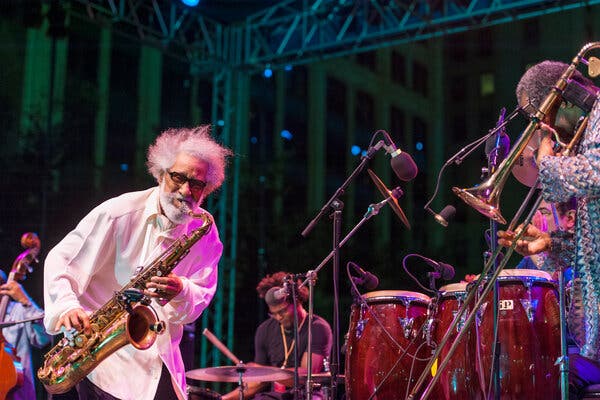
Walter Theodore Rollins, known as the ‘saxophone colossus,’ is celebrated in the jazz world as both a revolutionary and a master of the tenor saxophone. Nate Chinen once described him as ‘the great unflagging sovereign of the tenor saxophone’ following one of Rollins’s extensive performances.
Growing up in Harlem during the 1940s, Sonny Rollins admired the swing-era musicians like Coleman Hawkins and jump-blues saxophonists such as Louis Jordan. His musical path altered profoundly after hearing Charlie Parker’s transformative bebop style, which was then electrifying Harlem’s club scene. Rollins commented on Parker’s influence, describing him as ‘going against the grain’ and as a highly intricate and intellectual musician.
Bebop’s focus on endurance and intellectual rigor became Rollins’s guiding philosophy. Some of his compositions, such as ‘St. Thomas,’ ‘Oleo,’ and ‘Airegin,’ have become jazz standards. Yet, Rollins constantly reworked these tunes, deconstructing and reshaping them to extend their artistic boundaries.
Rollins’s distinctive sound is both unforgettable and elusive, compelling audiences to continuously engage with his music. Throughout his seven-decade career, spanning over 60 albums, Rollins pursued nothing more fervently than the act of playing. As he approaches 95 this summer, Rollins has not performed publicly since 2012 due to health issues, but he remains an avid listener, often discussing his preferred contemporary saxophonists.
This article invites you to traverse Rollins’s expansive music catalog, guided by insights from musicians, scholars, and critics. Explore the playlists provided to discover or revisit favorites, and feel free to share your top picks in the comments.