
Shifting Grocery Habits Amid Economic Challenges
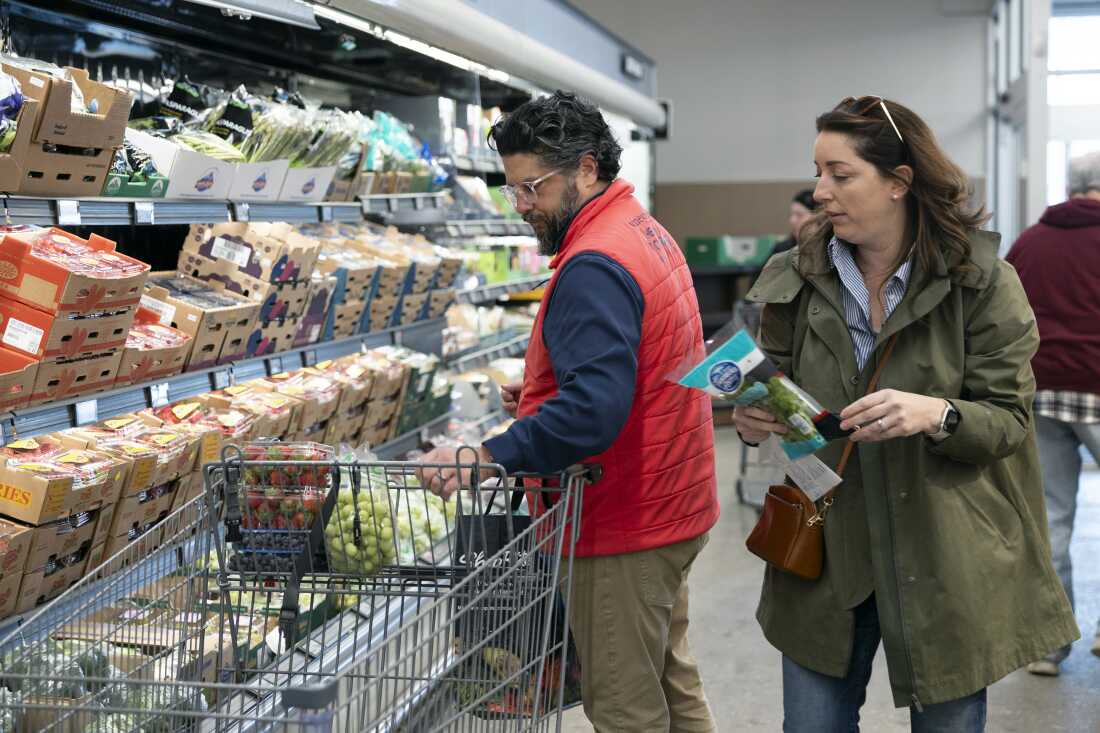
Rachel Negro-Henderson started shopping at Aldi regularly during the pandemic after her husband lost his job. Initially, it felt awkward encountering acquaintances in the store, as many were reluctant to discuss their reasons for shopping there. However, perceptions have shifted, and now familiar faces are more open about saving money. Negro-Henderson, who resides in Audubon, N.J., emphasizes that Aldi offers the same products at a lower cost. Several factors contribute to difficulties in affording meals. Food insecurity rose during the pandemic, and grocery prices increased significantly. Inflation, tariffs, and tactics like shrinkflation complicate the market, prompting a shift toward budget grocery stores and warehouse clubs.
Grocery industry analyst Phil Lempert notes consumers’ frustration, stating, “This is food. You don’t screw around with our food.” Many are turning to budget grocers, prompted by changing priorities. Social media showcases this trend, with creators sharing deals and recipes from stores like Aldi and Costco. As a result, discount grocers are improving their offerings, attracting cost-conscious shoppers. Lempert explains how budget stores operate efficiently, reducing costs through strategies like minimizing staffing and streamlining stocking processes.
Growth and Popularity of Discount Grocers
Aldi and Lidl have expanded their presence in the U.S., Aldi alone gaining 17 million new customers and opening nearly 200 new stores last year. The company plans to continue its growth this year. In contrast, Grocery Outlet faced setbacks, announcing store closures due to rapid expansion. Warehouse stores like Costco and Sam’s Club provide affordable groceries, leveraging buying power. Costco and Sam’s Club report success in sales, with Costco’s notable deals like the $1.50 hot-dog-and-soda. Consumer Reports data shows Aldi, Lidl, and BJ’s Wholesale Club offer prices lower than Walmart.
Challenges and Benefits of Shopping at Budget Grocers
Despite benefits, discount grocers often offer fewer items than traditional supermarkets. Negro-Henderson balances her preferences by purchasing certain items at other stores. She appreciates Aldi’s low prices and non-GMO store-brand products, valuing quality without needing national brands. Over 90% of Aldi’s products are store brands, showcasing the appeal of private labels. Budget cooking has gained popularity on social media, exemplified by Kiki Rough’s economical recipes inspired by food insecurity and economic struggles.
Consumer Perspectives and Future of Grocery Shopping
Economic challenges lead consumers to reassess grocery shopping approaches, as noted by Lempert. AlixPartners’ survey shows many plan to spend more on food but focus on affordability. Lempert highlights the growing reliance on shopping lists and online price comparison, with Generation Z and millennials prioritizing costs over store amenities. He concludes, “We’re never going to go back to shopping the old way.” The rise in budget-conscious shopping reflects evolving consumer habits amid tough economic conditions.