
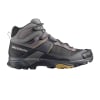
Hiking shoes provide better traction, support, protection, and weather-resistance compared to regular walking and running shoes. When choosing hiking footwear, it’s important to understand the differences between various types and what features are essential for your needs.
What Sets Hiking Shoes Apart
Hiking shoes are designed to handle diverse terrains. They offer specific advantages over everyday sneakers, including a robust build for challenging trails. Understanding what makes hiking shoes distinct is key when selecting the right pair.
Expert Insights
Outdoor professionals advise focusing on traction, stability, and durability. Salomon, Merrell, and Keen are commonly recommended brands known for quality hiking footwear. These shoes come in various styles and features to cater to different hiking needs.
Top Picks for Hiking Footwear
Salomon X Ultras
I’ve worn Salomon X Ultras for years. They’re perfect for hiking and rainy or snowy urban conditions.
These shoes provide excellent traction and stability, minimizing slips and slides. They offer comfort with support and are easy to put on and remove. Be mindful that they can feel warm above certain temperatures.
Moab Boots
Used for snow-covered trails in Ireland and muddy treks in New York.
These options provide reliable support, suitable for tackling varied terrains with ease. Users report they are versatile, doubling as rain boots when necessary.
Budget-Friendly Option
These boots are a practical choice for budget-conscious hikers. Utility and durability are not compromised, despite the lower price range.
Key Features to Consider
Size and Fit
Trying on shoes later in the day helps achieve a better fit. This accounts for natural foot swelling during hikes. Ensure your hiking shoes provide security in the heel and toe areas, without being overly tight.
Ankle Support
The stiffness in your shoes is critical for ankle protection. More stable shoes help prevent injuries. Hiking shoes come in varying ankle cut versions, each suited for specific hiking conditions.
Terrain and Conditions
The type of hike you plan is crucial in selecting footwear. For dry environments, breathable trail running shoes might be preferred. Hiking boots offer more support for harsh terrains and cold weather.
Water-Resistance
Consider your climate when choosing waterproof options. For long hikes in warmer areas, breathable, non-waterproof shoes can be advantageous.
Anatomy of a Hiking Shoe
The outsole grips the ground, usually made with rubber featuring lugs for traction. The midsole provides cushioning and protection, varying in materials like EVA and PU. The upper affects breathability and weather-resistance.
Frequently Asked Questions
Trail Running vs. Hiking Shoes
Trail running shoes are lighter and flexible, similar to regular running shoes. Hiking shoes offer more ankle support and a stable fit. Hiking boots are the most protective and durable.
Replacing Hiking Boots
Replace hiking boots based on mileage, typically every 500 to 1000 miles. Signs like material breakdown and discomfort indicate it’s time for a replacement.
Boot Care Tips
Remove insoles after hikes to dry. Clean boots with water and a brush. Avoid direct heat exposure. Apply waterproof treatment as needed.
Meet the Experts
Maggie Peikon manages communications at the American Hiking Society. Heather Neis, from REI, offers general footwear guidance. Matthew Rowbotham manages geographic information systems at North Country Trail Association.
Why Trust This Guide?
As an NBC Select reporter, I’ve covered technology and fitness extensively. Insights from outdoor experts and personal hiking experience guide my recommendations for hiking footwear. Follow NBC Select’s coverage to stay informed.