
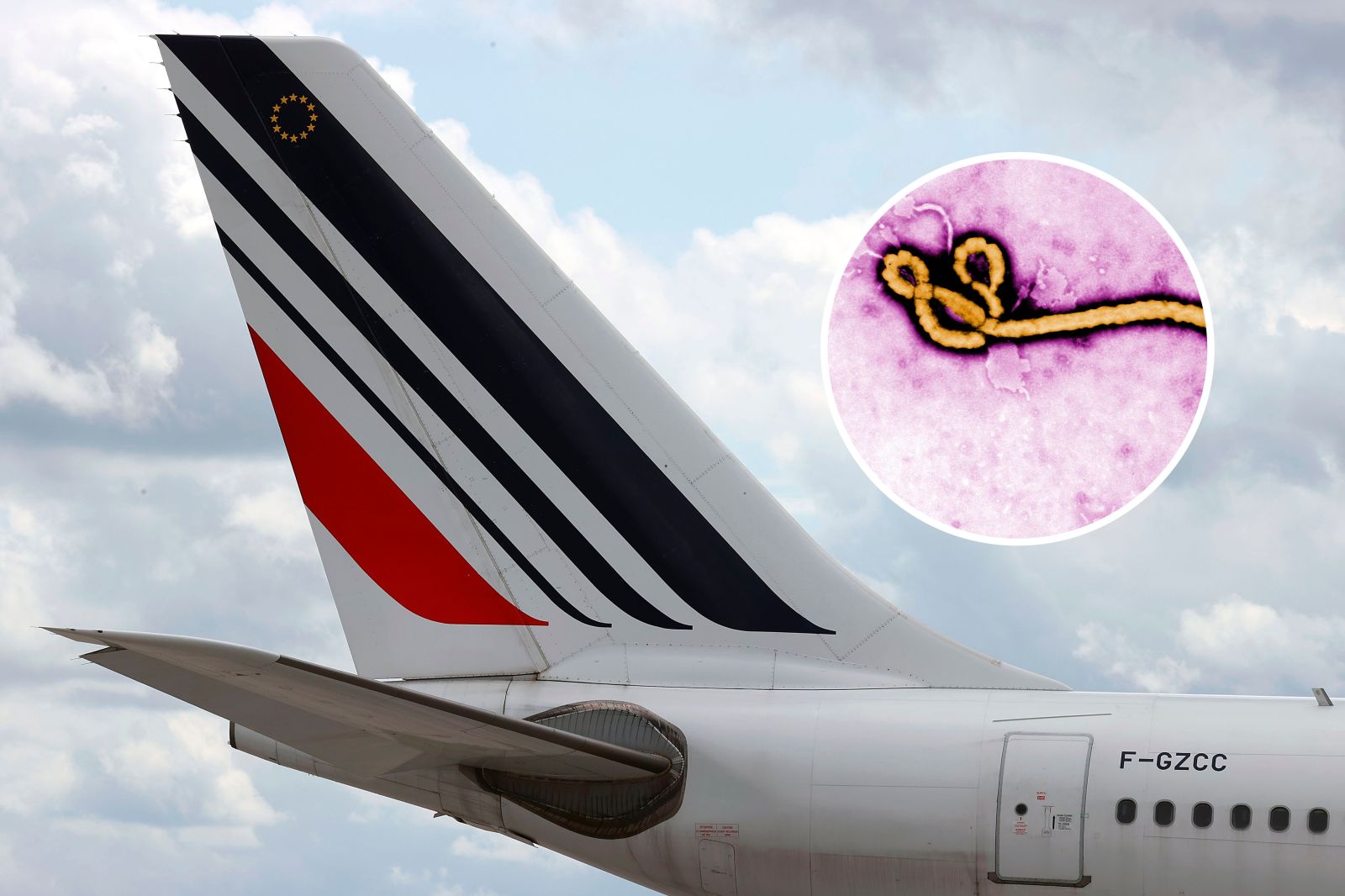
Flight Diversion Incident
A flight destined for Detroit was rerouted to Canada due to concerns about potential Ebola exposure. An Air France flight, which left Charles de Gaulle Airport in Paris, included a passenger from the Democratic Republic of Congo (DRC) despite entry restrictions because of Ebola risks. U.S. Customs and Border Protection (CBP) indicated that entry restrictions should have prevented the passenger from boarding.
Travel Restrictions Amid Ebola Outbreak
The flight was redirected to Montreal following CBP’s action to prevent it from landing in Detroit. Non-U.S. passport holders from DRC, South Sudan, and Uganda face a 30-day travel ban starting May 18, linked to an outbreak by the Bundibugyo virus. Uganda has also reported imported cases from the DRC. South Sudan, although without confirmed cases, is considered high-risk.
The U.S. Department of Homeland Security (DHS) reported enhanced public health measures at the U.S. airport receiving many travelers from DRC, Uganda, and South Sudan. This comes as DHS plans further restrictions on travelers from the Ebola outbreak center, as indicated by CBS News.
New Flight Rules for Travelers from Affected Countries
All flights carrying passengers who visited DRC, South Sudan, or Uganda in the past 21 days will land at Washington-Dulles International Airport, under a DHS draft rule to be issued. The World Health Organization (WHO) labeled the outbreak an international concern. As of Wednesday, no Ebola cases have been confirmed in the U.S., with CDC stating the public risk remains low.
Impact of the Outbreak
Dr. Peter Stafford, an American physician in eastern Congo, contracted Ebola and has been sent to Germany for treatment due to shorter travel and Germany’s experience with Ebola patients. The DRC and Uganda have reported several cases and deaths. Initial outbreaks began in Bunia Health Zone, with samples turning positive by May 15. Bundibugyo virus, which lacks a vaccine, leads to a high fatality rate.
The largest previous outbreak in West Africa claimed over 11,000 lives. The latest Ebola situation is DRC’s 17th recorded outbreak since 1976. DHS highlighted Ebola’s potential international impact and its threat to U.S. health security given global travel connections.
Understanding Ebola
Caused by orthoebolaviruses, Ebola is severe and often fatal, affecting humans and primates. Transmission occurs through direct contact with infected bodily fluids. Bundibugyo virus, linked to past outbreaks, leads to symptoms like fever, aches, pain, and progresses to diarrhea, vomiting, bleeding.
Symptoms typically emerge 8-10 days post-exposure. FDA-approved treatments are available for certain Ebola species, while supportive care, including fluid and electrolyte administration, aids other species.