
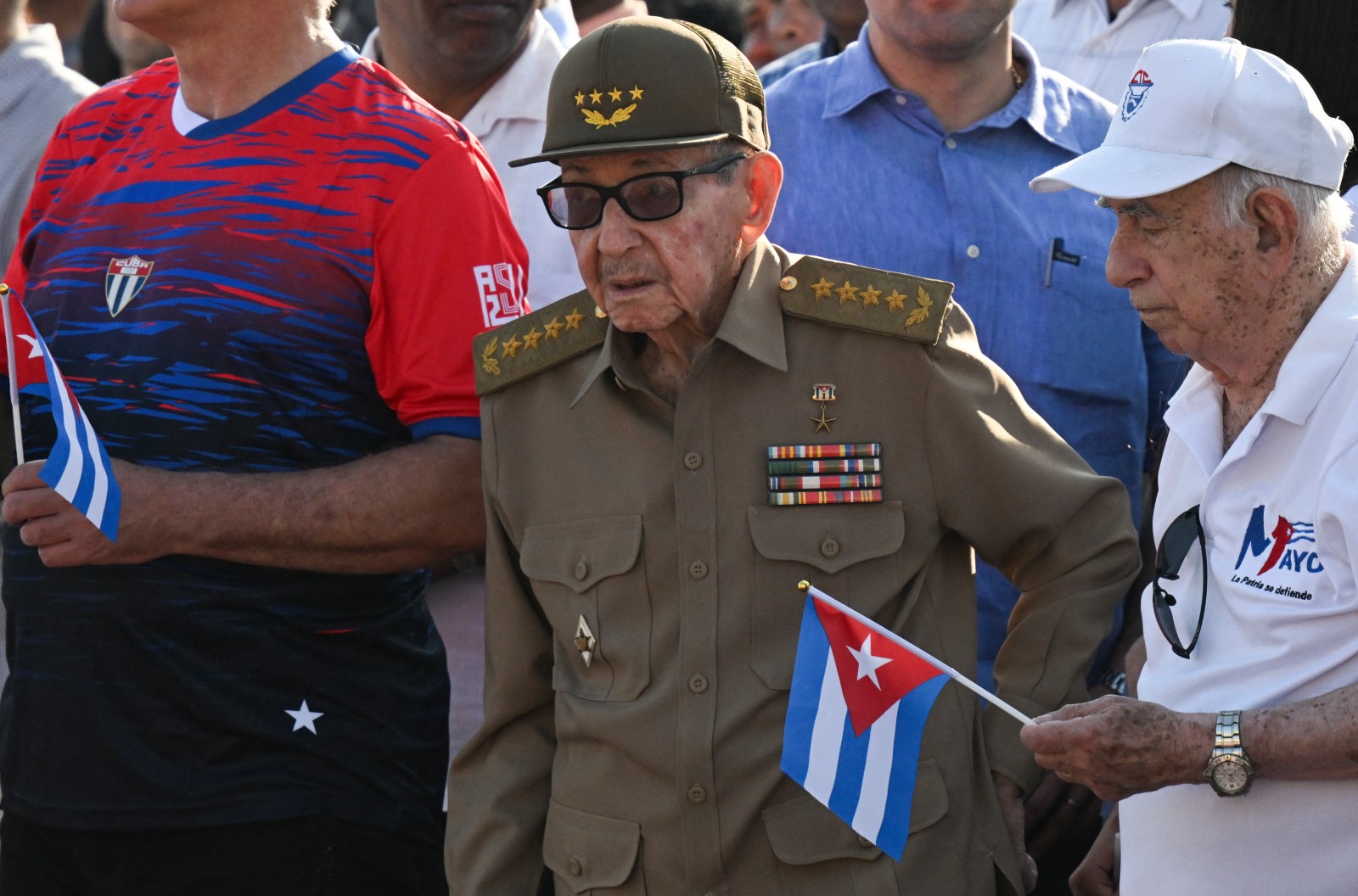
The U.S. Charges and Raúl Castro’s Role
The United States has filed criminal charges against Raúl Castro, citing longstanding allegations over the 1996 shoot-down incident involving two civilian planes. This development follows increased pressure on Havana from the Trump administration. Despite these charges, the U.S. lacks jurisdiction to arrest Castro in Cuba. Justice Department officials claim that Castro, then Cuba’s defense minister, ordered the attack on Brothers to the Rescue, a humanitarian group based in Miami. Federal prosecutors prepared the indictment shortly after the incident.
Details of the 1996 Incident
On February 24, 1996, Cuban MiG fighter jets downed two Cessna aircraft belonging to Brothers to the Rescue. The planes, engaged in a humanitarian mission, were helping Cubans escaping the island. The attack resulted in four deaths, including three Americans. Cuba justified the response, citing repetitive violations of its airspace over two years. It claimed that formal protests were made to relevant U.S. authorities, whereas the U.S. maintained the planes were on a legitimate rescue mission in international waters.
Tensions and Political Reactions
The incident heightened U.S.-Cuba tensions, leading to further embargo fortification. Raúl Castro faces allegations of commanding the attack. Cuba has contested these charges, emphasizing its response was against numerous airspace violations reported between 1994 and 1996. Cuba insists diplomatic channels were thoroughly utilized before resorting to military action.
Trump’s Strategy and Cuban Response
President Trump indicated intolerance for perceived threats close to American shores, hinting at potential military action against Cuba. The administration has hinted at leveraging Cuba’s vulnerabilities, especially after curtailing Venezuelan oil exports. As a result, Cuba faces severe disruptions to essential services like electricity and transportation.
Meanwhile, Cuba has pledged resistance against potential U.S. military intrusions, showcasing preparations that include acquiring military drones from foreign powers. Cuban President Miguel Diaz-Canel has underscored readiness to combat any aggression.
Marco Rubio’s Engagement with Cuba
Secretary of State Marco Rubio, on Cuban Independence Day, addressed the Cuban populace via a video message, promising $100 million in aid and proposing a reinvented U.S.-Cuban relationship. Criticizing Cuba’s government for mismanagement, Rubio cited blackout issues as internally caused rather than a result of external U.S. pressure.
Raúl Castro’s Historical Context
Raúl Castro emerged as a central figure in Cuba’s revolutionary history alongside his brother Fidel in the overthrow of military dictator Fulgencio Batista. As Cuba’s Defense Minister and later President, he implemented broad reforms and established policies that shaped Cuba’s socio-economic landscape. His leadership facilitated Cuba’s partial diplomatic re-engagement, notably marked by renewed commercial flights with the U.S.
Cuba’s Economic and Energy Crisis
The island is languishing under mounting economic distress. Power shortages persist, extending to mere hours of electricity availability. The Trump administration attributes these conditions to systemic Cuban government issues. Raúl Castro’s regime change objective aligns with Cuba’s ongoing efforts to arm against potential U.S. military engagement.
Responses include infrastructural adaptations like solar power installations, though widespread discontent simmers amidst worsening living conditions fueled by the sweltering May weather.
Public Reaction to Energy Shortages
Protests, termed cacerolazos, have arisen as Cuban citizens voice frustrations over deteriorating energy supplies. These demonstrations exhibit increasing participation, with stressed civilians expressing dissatisfaction over extended periods without electricity.
Families with resources are employing alternative power solutions, while a majority endure hardships resulting from relentless heat compounded by infrastructural inadequacies.