
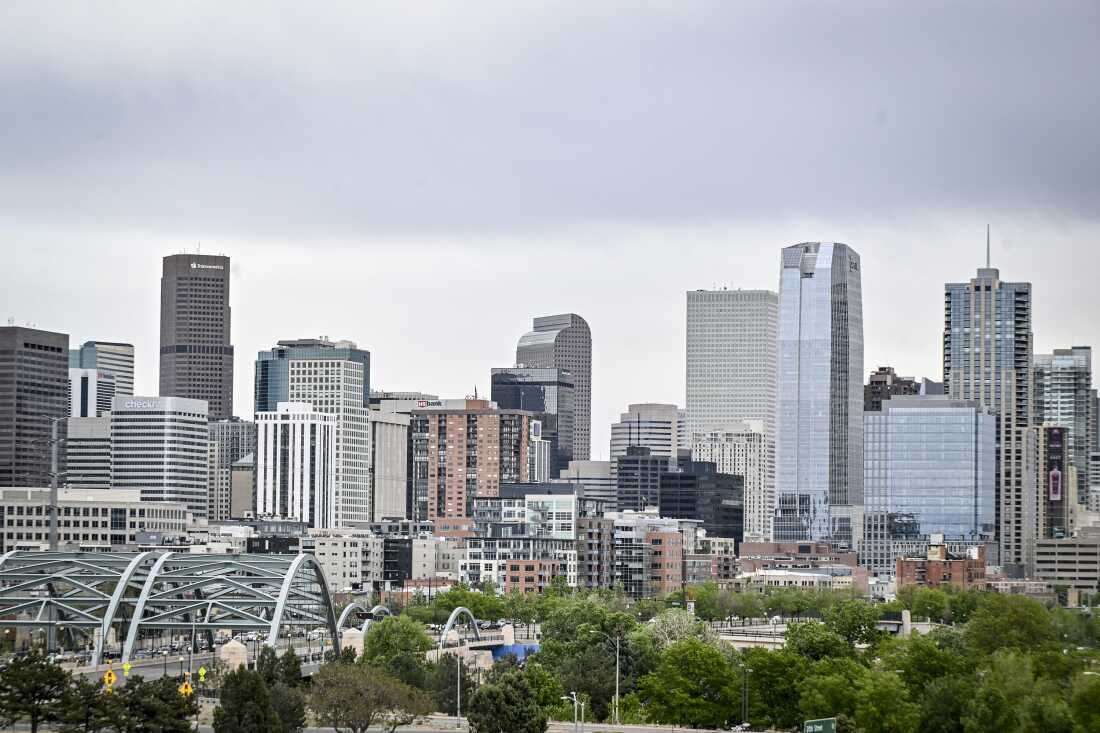
Denver has launched a new initiative to heat and cool several downtown buildings using innovative methods including water, geothermal energy, and even heat from sewage. As part of this effort, the city is combating its largest source of climate pollution: building emissions. This initiative aims to help Denver reduce its greenhouse gas emissions to zero by 2040, while also saving taxpayer money.
Repurposing the Cherokee Boiler House
The Cherokee Boiler House, located near downtown Denver, will be the central hub for this initiative. Despite its aged interior, the city sees potential in this building. City officials plan to transform it into a key player in Denver’s energy future, making energy use both pollution-free and affordable, according to Mayor Mike Johnston. The project will pilot a thermal energy network similar to those found on some campuses and in cities worldwide. If successful, it could demonstrate how to decarbonize dense urban cores across the U.S.
From Steam to Ambient Loop
Currently, over a hundred buildings in downtown Denver rely on a steam system dating back to the late 1800s, which burns natural gas. This system is now inefficient, with soaring maintenance costs and dwindling customers. To address these issues, Denver plans a transition to a new network, an ‘ambient loop,’ that uses underground pipes filled with water to heat and cool buildings.
This network will link city-owned buildings with water-source heat pumps. These pumps efficiently move energy from circulating water to heat or cool buildings. Because the system connects multiple buildings, they can share energy among each other. For instance, if one building is overheated, its excess heat can be transferred via the water to another building in need of warmth.
Geothermal and Sewage Heat Sources
To maintain the ambient loop, Denver plans to supplement it with geothermal energy. The city intends to drill numerous boreholes beneath parking lots to tap into the Earth’s heat. This sustainable energy source will act as a thermal battery for the network. Although digging these boreholes involves considerable expense, the geothermal energy is virtually free after installation.
The city also plans to capture thermal energy from sewage, an unexpected but effective resource. By tapping into the warmth of wastewater, Denver hopes to save on cooling costs and reduce energy consumption. This method, which uses a heat exchanger in the sewage line, can provide a new revenue stream for the city while easing the environmental burden on the South Platte River.
The Path Forward
Denver’s network will start as a micro-loop, trialing in two buildings and a snowmelt system in about two years. By 2030, nine buildings are expected to be part of this system. If the pilot is successful, the city plans to expand it to thousands of nearby natural gas customers to accelerate emission reductions.
Denver’s initiative serves as a potential model for other cities seeking sustainable urban energy solutions. Mayor Johnston is optimistic that the success of this project will create an impactful precedent, both locally and nationally.