
A recent letter from the Riverside City Council to Susan Freeman, wife of the city’s chief executive, has drawn significant attention. The council accused her of harassing local employees through various communications, including phone calls, emails, and social media.
The letter states, “Your pattern of communication has been disruptive at the workplace, caused significant distress to City staff, and serves no legitimate purpose.” It was sent to the residence of Susan Freeman and her husband, City Manager Mike Futrell, on December 11.
Hundreds of emails, texts, and letters have been released to the public, exposing allegations of toxic work environments and “civic indecency” within City Hall. This controversy has sparked demands for the city manager’s resignation and sparked debate about free speech and workplace boundaries.
Jason Hunter, a Riverside resident, publicized the letter after obtaining it through a public records request. He questioned whether a family member’s behavior can lead to liability and reduced productivity that might justify terminating employment.
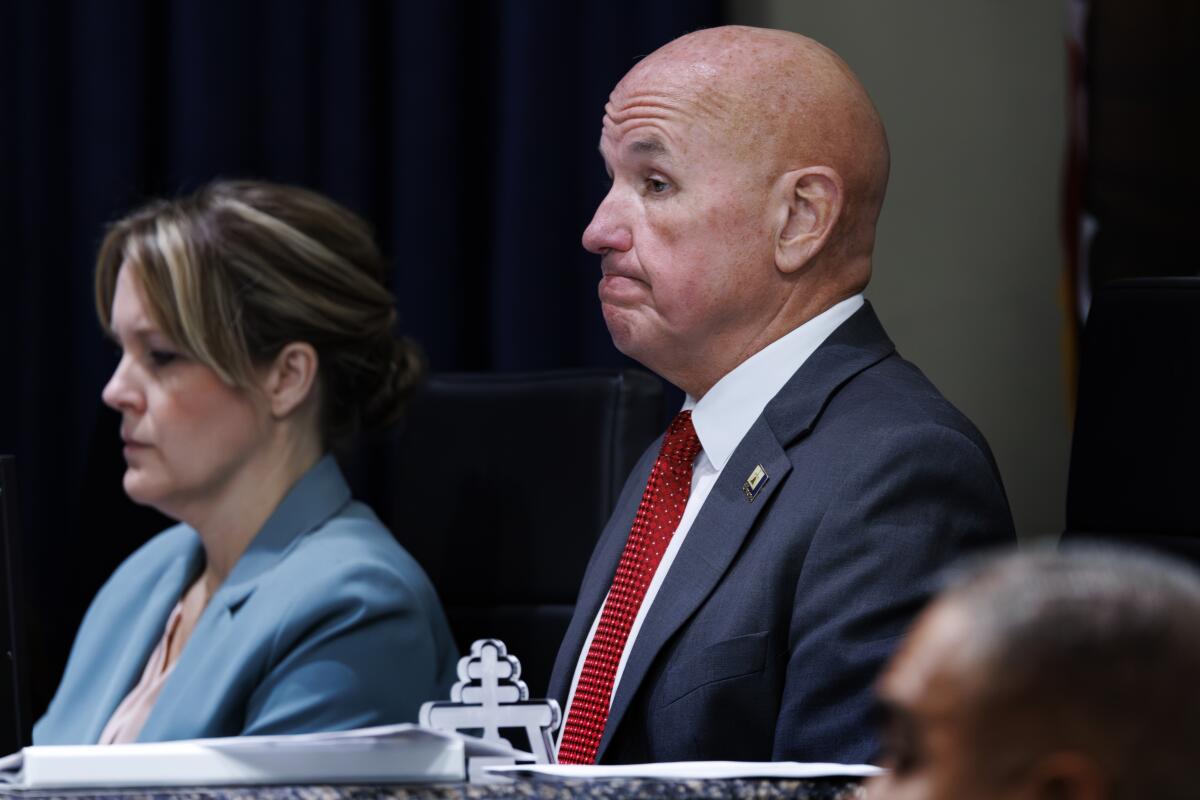
At a recent City Council meeting, officials reviewed Mike Futrell’s job performance but took no action. Susan Freeman has declared the allegations a violation of her constitutional rights to criticize public figures like President Trump and maintain her reputation.
Freeman, a communications specialist and writer, argues that the accusations are false and a smear against her. She arrived in Riverside with her husband three years ago, and the couple quickly integrated into the community. Freeman has been a vocal figure, participating in local leadership and hosting events at their Victoria neighborhood home.
An anonymous email on September 22, 2024, criticized Freeman’s interactions with municipal staff, suggesting they blurred professional boundaries. Another email flagged a controversial Facebook post by Freeman, which allegedly impacted public perceptions of city leadership.
Over a year, Freeman remained active online, defending her rights in a five-page email to the City Council. The council’s formal letter accused her of misrepresenting involvement in city decisions and pressuring staff with business ventures.
Freeman firmly denied these claims in a media interview. She admitted requesting city employee donations for a tool lending library but clarified that event costs were covered for city staff.
Freeman believes her critics pressured the council due to her social media content. She filed a public records request for evidence of the council’s accusations and related correspondence. Although she later retracted the request, documents were released, including anonymous letters accusing Freeman of “civic indecency.”
Additionally, letters regarding a toxic workplace atmosphere were directed at then-director Jennifer Lilley. Freeman tried to discover who was behind these allegations, contacting city officials and council members without receiving responses.
Futrell was contacted about a potential role in Pasadena, which Freeman encouraged him to consider. However, after Freeman’s public dispute with Jason Hunter, a former city employee, the controversy made headlines. Hunter posted Freeman’s letter online, alleging her actions had impacted her husband’s career prospects.
Futrell withdrew from the Pasadena job discussions, citing the letter’s impact. “I can’t imagine destroying someone’s life, reputation, and livelihood over fact-based and historically accurate posts,” Freeman said.
Futrell addressed the controversy at a local neighborhood group meeting, stating that he was chosen for the Pasadena position until someone emailed the mayor the controversial letter.
The Riverside council reviewed Futrell’s performance in a closed session, which ultimately left him in his current position, pending further review of the full factual record.