
The United States is currently involved in its largest military conflict since the Iraq War. A recent survey by the Institute for Global Affairs at Eurasia Group highlights that twice as many Americans believe the conflict with Iran has made the U.S. less safe compared to those who think it has increased safety. Security officials are emphasizing the heightened risk of threats from Iran within the U.S.
Local Leaders on the Front Lines
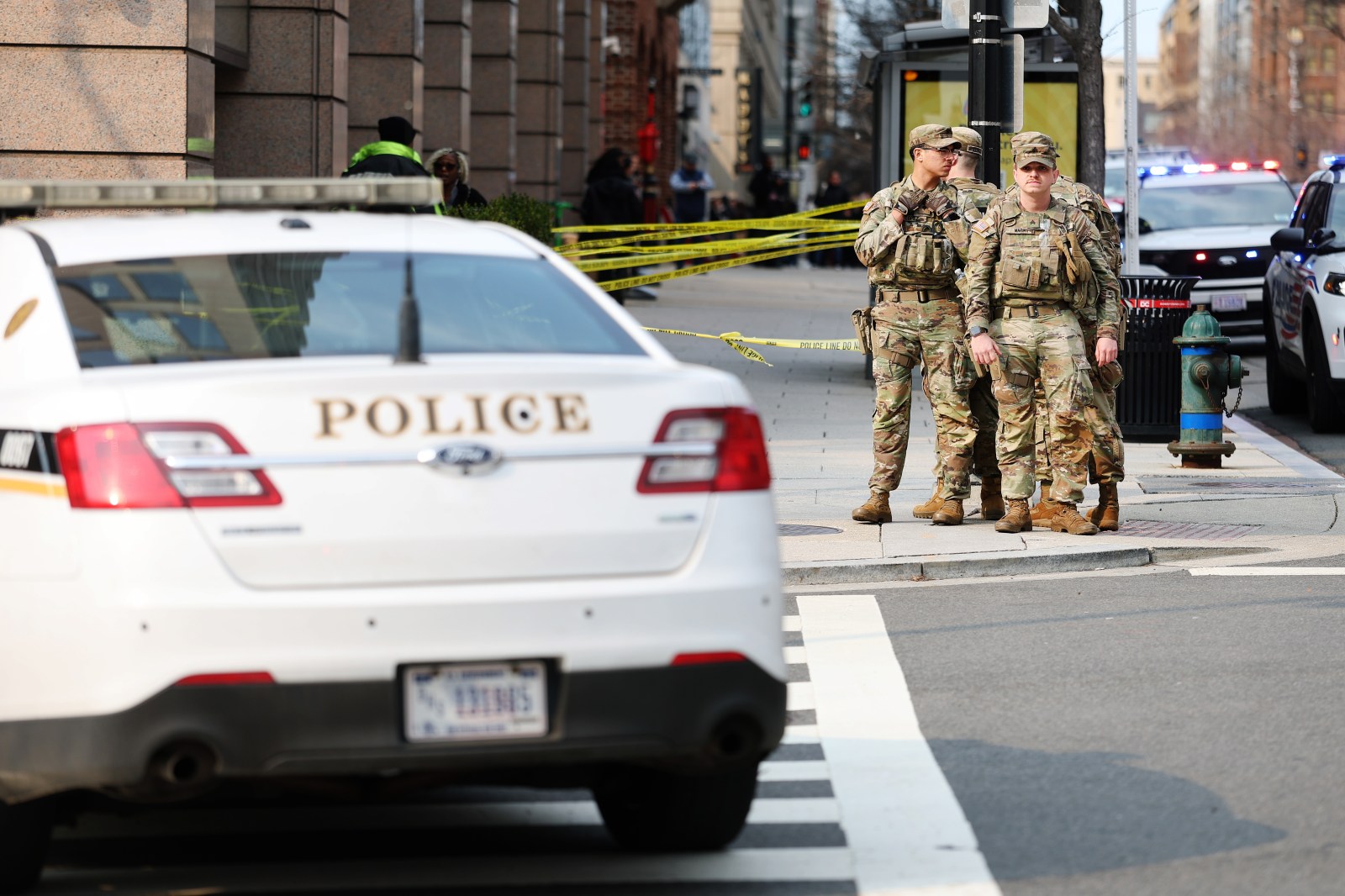
City leaders are critical in defending the homeland. Concerns are growing that the systems established post-9/11 for detecting, assessing, and responding to potential attacks may not be functioning optimally. The timing is particularly challenging as major U.S. cities, like Atlanta, Boston, Dallas, Kansas City, and Philadelphia, prepare to host FIFA World Cup matches. Additionally, communities nationwide are organizing events to mark America’s 250th anniversary. These celebrations already stretch public safety systems.
Potential Threats from Iran
Experts have long warned of possible Iranian retaliations, including strikes on U.S. assets in the region, proxy attacks on American interests abroad, economic disruption through a blockade of the Strait of Hormuz, and targeting the U.S. homeland. These threats are now evident. A mass-casualty attack on U.S. soil remains a concerning possibility, but the threat extends beyond that. It includes cyberattacks, social media disinformation, lone actors radicalized online, and potential covert operatives within the U.S.
Role of Federal and Local Partnerships
Managing these risks requires efficient collaboration between federal, state, and city officials. Post-9/11, federal agencies like the National Counterterrorism Center, Department of Homeland Security, and FBI have enhanced partnerships with state and local authorities. This model, which involves federal agencies assessing threats and local officials translating this into action, has been effective in preventing large-scale terrorist attacks since Sept. 11. However, it relies on all parties functioning correctly.
Currently, the system is under pressure. Security bulletins related to Iran threats face delays, and FBI counterintelligence staffing reductions might weaken threat tracking. Additionally, leadership changes in national security roles raise concerns about continuity and effectiveness. Since the Iran conflict began, key positions in the Justice Department, Department of Homeland Security, the National Counterterrorism Center, and the Director of Immigration and Customs Enforcement have experienced turnovers.
Adapting to New Threats
Local leaders are adapting to these challenges. The New York Police Department, for example, can conduct its own threat assessments and increase deployments. However, local authorities, regardless of their capabilities, are not meant to function without federal guidance. Iranian-linked actors have been probing U.S. energy, water, and transportation systems through cyber operations. Disruptions to these systems, especially during major events, could lead to significant public safety emergencies.
Prioritizing Safety
Mayors, tasked with ensuring real-time public safety, have invested significantly in training and building partnerships to address both physical and digital threats. With ongoing conflicts and impending global events, priorities must focus on restoring coordination, ensuring timely threat guidance, and reinforcing the necessary expertise within the security system.
The safety of the American public is reliant on the federal government fulfilling its responsibilities to local leaders. The full survey findings are available through the Institute for Global Affairs at Eurasia Group.
Leigh O’Neill is a senior adviser at the Institute for Global Affairs at Eurasia Group. She leads the Cities in Global Affairs program for U.S. mayors and city officials. Previously, she worked with Bloomberg Philanthropies, the Truman National Security Project, and the U.S. Senate. The views expressed are her own.