
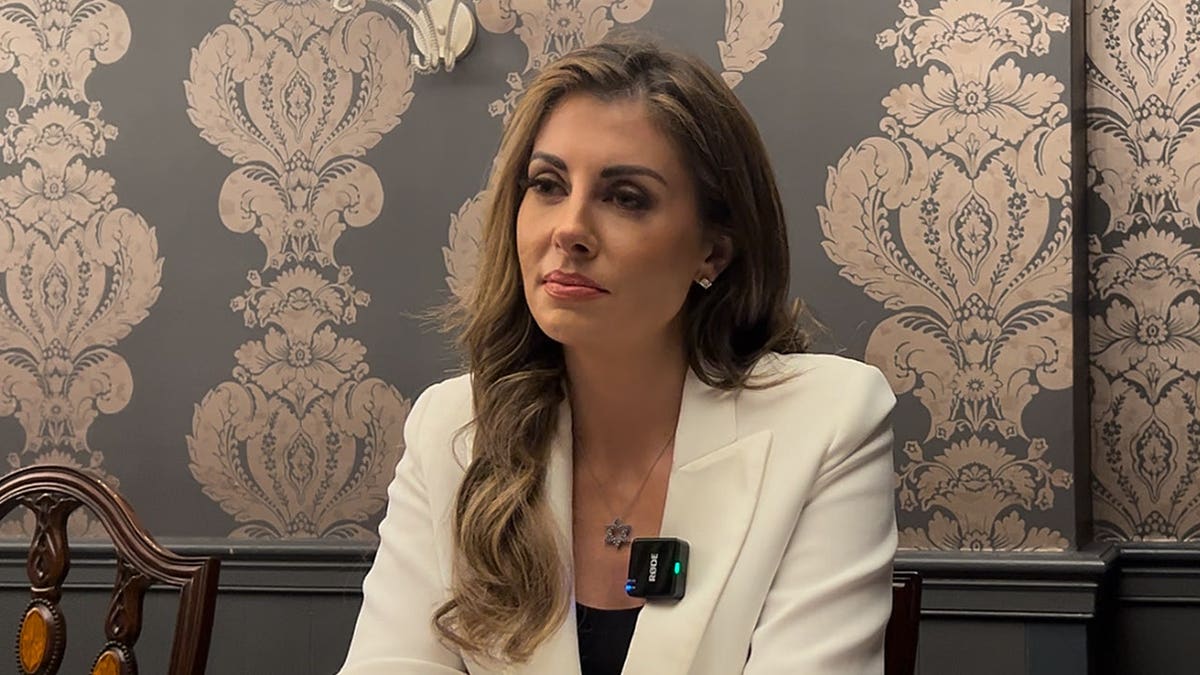
Morgan Ortagus, a former envoy from the Trump administration, expressed concerns on Wednesday regarding Iran’s tactics in nuclear negotiations. She suggested Iran might be delaying agreements to gain more time, coinciding with President Donald Trump’s pause on planned military actions and extension of a ceasefire to foster diplomacy.
In an interview with Fox News Digital following the Middle East Forum in Washington, Ortagus explained that Iran has long used negotiation delays as a strategy. It’s the regime’s tactic to stall and buy time,
she said, advising against falling into such traps.
Iran’s Negotiation Strategy and Trump’s Approach
President Trump recently put a hold on planned strikes and extended diplomatic talks with Iran amidst pressure from Gulf allies. The administration persists in addressing Iran’s nuclear program and its network of regional proxies.
Ortagus, once a spokeswoman for the State Department and later involved in Middle East negotiations under Trump, believes the current administration holds more leverage over Iran than previous ones. Critics of past negotiations, many from the Trump administration, argue Iran prolonged talks under previous agreements like the 2015 JCPOA, which Trump exited in 2018, deeming it ineffective.
I’m always hopeful about President Trump’s negotiating ability,
Ortagus commented.
This team has greater leverage than those before.
Despite international criticism, Iran insists on its sovereign right to a civilian nuclear program. Iran’s officials contend their nuclear efforts are for energy purposes, though there are Western and International Atomic Energy Agency concerns over uranium enrichment and transparency.
The Middle East Context
The current tension with Iran leads some American conservatives to warn about potential deeper military involvement in the region. Ortagus addressed these concerns by differentiating this situation from past prolonged conflicts, advocating for strategic and measured military use if necessary.
She also acknowledged the ongoing Republican debate on foreign policy as healthy, highlighting open discussions on confronting Iran and its proxies.
Simultaneously, U.S. efforts aim to stabilize the Israel-Lebanon front despite a ceasefire between Hezbollah and Israeli forces. Ortagus, involved in previous Israel-Lebanon talks, views Hezbollah as a significant challenge due to its independence from the Lebanese state.
Views on Israel and Lebanon Relations
Ortagus believes that if Hezbollah’s influence diminishes, Lebanon and Israel could potentially improve relations. Both governments, she argued, share an interest in avoiding broader conflict, but Hezbollah’s actions complicate these efforts.
In support, Israeli Ambassador to the U.S., Yechiel Leiter, recently remarked there are no Israeli territorial claims on Lebanon. He suggested that without Hezbollah, Lebanon and Israel could progress towards normalization.
Despite peace efforts, ongoing tensions at the Israel-Lebanon border make negotiations complex. Issues arise from accusations of Israeli violations of ceasefire terms and Hezbollah’s unchecked operations near the border.
Leiter has expressed hope for normalization once Hezbollah’s influence is curtailed, asserting that the relationship between Lebanon and Israel could stabilize under such conditions.