
The first nitazene synthesis laboratory in the United States has been dismantled by local and federal authorities. This lab was discovered in Louisiana earlier this month and was initially thought to be producing fentanyl. However, on Wednesday, forensic testing by the Drug Enforcement Administration (DEA) confirmed that it was manufacturing etonitazene. Etonitazene is an extremely potent synthetic opioid from the nitazene drug class.
Nitazenes appeared in the U.S. drug supply around 2019 and are known to be 80 times more potent than fentanyl. The dismantled facility was located in the basement of a residential home in Baton Rouge. It was part of a drug distribution network that the DEA and the East Baton Rouge Sheriff’s Office were targeting. This bust came after a three-month investigation led by local narcotics agents.
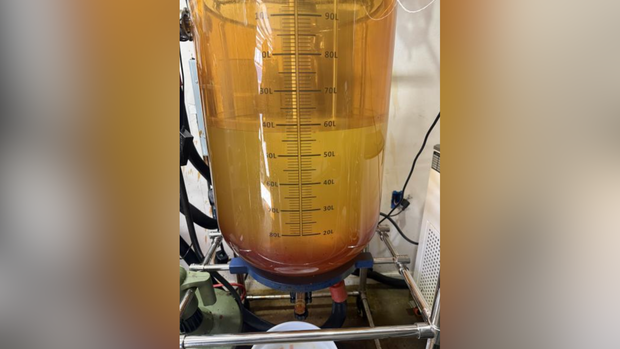
The clandestine lab was described as “large-scale” and “sophisticated.” According to the DEA, it housed approximately $250,000 in professional-grade equipment. Authorities found specialized temperature-control equipment, an industrial evaporator, and 58 liters of liquid in its main reactor vessel. This liquid was confirmed to be etonitazene.
“Every day, families across our communities are suffering the devastating consequences of illegal drugs. The emergence of substances like nitazenes makes our mission even more urgent,” said East Baton Rouge Sheriff Sid J. Gautreaux III.
Louisiana has become a major hotspot for the threat posed by nitazenes. The Louisiana State Police Crime Laboratory reports that over 80% of all etonitazene exhibits seized by the DEA this year originated in the state. Earlier this year, the DEA issued a warning about fentanyl being mixed with dangerous synthetic substances, including nitazenes.
Jon Wertheim from 60 Minutes has spent months investigating these new deadly synthetics in the illegal drug supply. In his report One Molecule at a Time, airing Sunday, Wertheim joins a DEA raid and visits the DEA Special Testing and Research Laboratory. There, he explores the global pipeline of chemicals and the evolving chemistry behind drug cartels’ synthetic opioid production and distribution.