
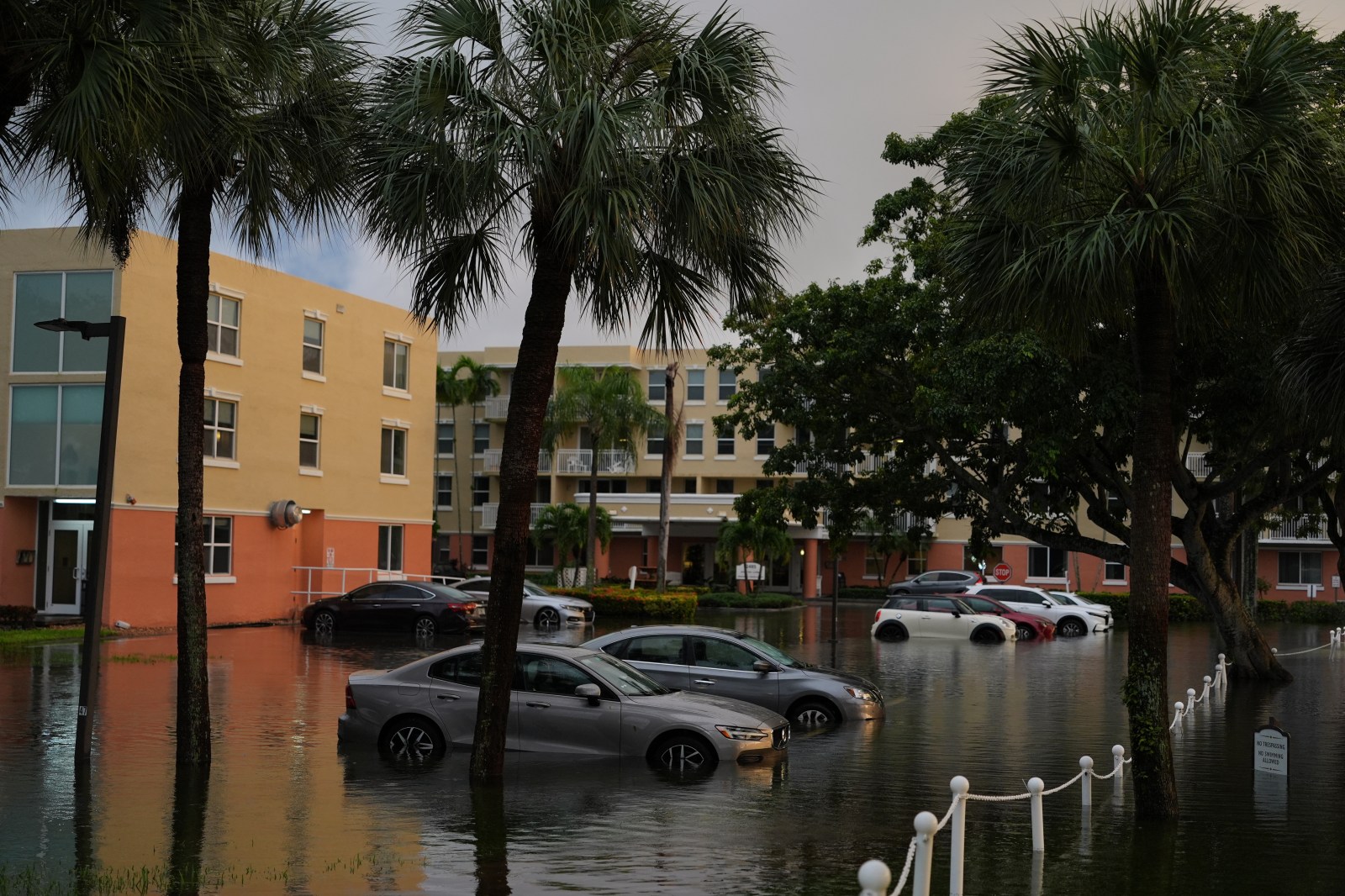
The state of emergency in Florida now covers approximately 6.5 million more people as severe rainfall and flooding persist. Governor Ron DeSantis expanded the emergency order to include Broward, Duval, Flagler, Miami-Dade, Monroe, Putnam, and St. Johns counties. This brings the total impacted counties to 21, making Miami central to the expanded emergency area.
DeSantis originally declared the emergency on November 2 for counties such as Brevard, DeSoto, Hardee, Highlands, Indian River, Martin, and St. Lucie. This declaration was widened to include Glades, Hendry, Lake Okeechobee, Palm Beach, Seminole, and Volusia counties two days later. Currently, about 11.24 million people are potentially affected.
Due to flood warnings, schools, parks, libraries, and government buildings have closed. Nearly one-third of the state faces flooding risks. DeSantis stated, “As heavy rainfall impacts communities across Florida, the state is continuing our active response efforts.” He emphasized that the state will keep deploying resources to support residents and meet community needs.
Florida has mobilized hundreds of national guardsmen, state guard members, and emergency personnel to assist with this response. DeSantis affirmed that the emergency measures will stay effective until January 1. The state has also set up over 6,000 feet of flood control devices, prepared shelters, and positioned additional resources like generators and vacuum trucks for immediate use.
The situation in South Florida is critical. Torrential rains have drenched the area in November, with some locations receiving more than 12 inches in two days. Forecasts predict continued downpours, with eastern regions expecting 3 to 7 inches, and localized spots as much as 10 inches.
Floodwaters threaten homes near the St. Johns River. The river near Cocoa is at major flood stage, and further rain may push it to a historic high. Meteorologist Alex Sosnowski warns that, “The rain may stop, but the flooding could last for months.” The slow drainage of the St. Johns River might keep some areas flooded into 2027.
Heavy rains and thunderstorms will continue on Friday, further saturating the region and increasing flash flood risks. The South Florida Water Management District has issued an emergency order to authorize pumping in affected areas to mitigate flooding.
Emergency Powers
Under Executive Order 26-227, state officials hold broad powers to expedite response and recovery efforts. The order notes that flooding affected critical infrastructure, including interstates, roads, airports, and schools. It appoints the head of the Division of Emergency Management as the State Coordinating Officer.
This officer can invoke mutual aid agreements with other states, seek federal help, and command personnel across state lines. Statutes or regulations impeding the response can be temporarily suspended. The Florida National Guard and State Guard are activated as needed.
- The Transportation Department can waive tolls and adjust size and weight limits for emergency supply vehicles.
- Pharmacists are allowed to give emergency 30-day medication refills.
- Hospital pharmacies can issue up to 72-hour medication supplies.
Agencies are freed from drone-use limitations for documenting damage, aiding rescues, and addressing imminent dangers. Public facilities may be turned into shelters if required.
The order took immediate effect and lasts 60 days, expiring around January 1, 2027, unless extended.