
The use of copyrighted material in artificial intelligence (AI) training is sparking a major legal battle. News organizations, including The New York Times, are suing OpenAI and Microsoft. They argue these companies violated copyright by using millions of articles for AI model training. However, the tech firms defend their actions as ‘fair use,’ a legal principle allowing limited use of copyrighted material without permission.
The Department of Justice (DOJ) is backing OpenAI, marking a shift in the administration’s previous stance. The DOJ’s support suggests that AI firms could use copyrighted content commercially without licensing or paying creators.
The DOJ’s position supports unrestricted access to copyrighted material for AI development, citing cost concerns for developers.
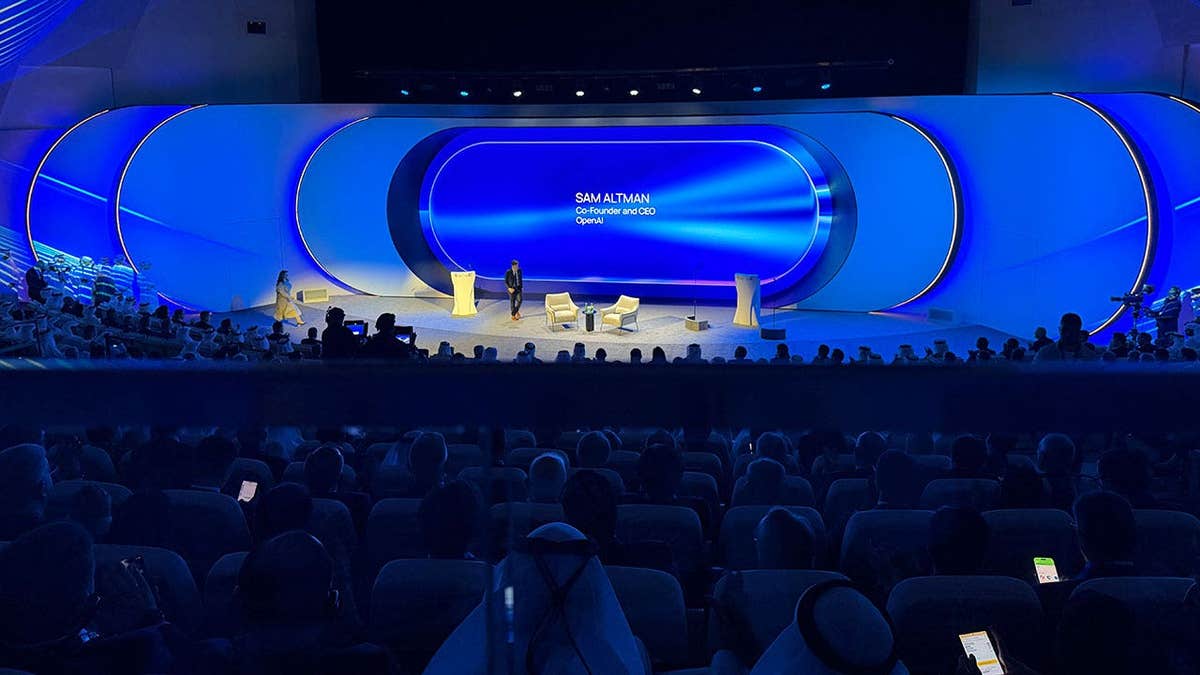
This stance could lead to a broad exemption for AI industries, raising concerns about copyright erosion. Sam Altman, CEO of OpenAI, speaks at an event in Abu Dhabi, signaling the intersection of AI and industry.
The DOJ argues that demanding copyright licenses for AI training would incur significant costs for developers. This might hinder competition for smaller companies and impact U.S. leadership in AI and national security.
While these economic concerns are valid, the DOJ’s argument contrasts with more balanced discussions happening elsewhere in the administration. The White House’s AI framework acknowledges both sides of the copyright debate, emphasizing the need for fairness in intellectual property rights.
Furthermore, the DOJ’s approach risks favoring large AI companies over startups. Smaller firms benefit from paying for copyrighted material, finding it more reliable and legally sound. Some new businesses focus on aggregating copyrights, streamlining the licensing process.
Larger AI companies, well-resourced, should not resist paying for copyrighted material. Doing so might help develop necessary licensing markets they say are missing.
Ignoring property rights for AI training, even for national security, poses legal issues. The Constitution mandates fair compensation when private property is used publicly. Intellectual property demands similar treatment. Allowing AI firms to use creative works without permission undermines property rights.
A broad adoption of the DOJ’s fair use stance might discourage new creative works. Copyrights motivate content creation by safeguarding creators’ ability to earn from their work. A weakened copyright system could reduce the amount and quality of material available for AI training, harming all stakeholders.
The administration could benefit from following its AI framework, letting courts address copyright cases individually rather than pushing broad fair use exemptions.
Policymakers have a role in shaping this area. The bipartisan CLEAR Act, introduced by Sen. Adam Schiff and Sen. John Curtis, proposes transparency around copyrighted works in AI training. This could help creators understand and potentially seek compensation for their work’s use in AI training.
This reform model suggests copyright enforcement can coexist with AI innovation. Licensing should not hinder creativity but facilitate a fair market where rights are respected, benefiting both innovators and creators.
Coke Morgan Stewart, president and CEO of the Council for Innovation Promotion, emphasizes balancing AI progress with strong copyright protection, crucial for America’s creative economy.