
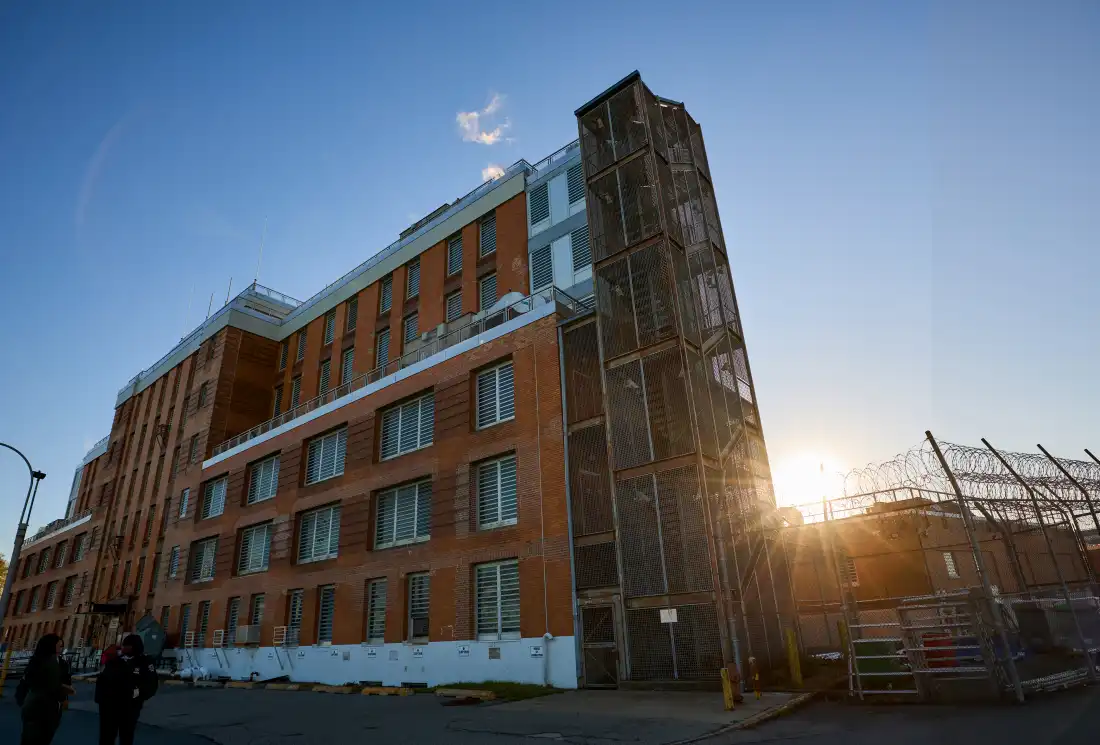
New York City has outlined a strategy to shutter the notorious Rikers Island jail complex. The facility has long faced accusations of abuse and neglect. Mayor Zohran Mamdani emphasized the need for change, describing Rikers as a ‘moral stain’ on the city. He stated, ‘We cannot simply accept the old approaches to public safety.’ Rikers has a history of poor conditions, with inmates filing multiple lawsuits over excessive force and assaults by guards.
A federal judge labeled the violence at Rikers as an ‘unconstitutional danger.’ Since 2022, over 50 people have died in the custody of the New York City Department of Correction, with most occurring at Rikers. Some died by suicide, others due to violence, raising serious human rights concerns. Rikers has been consistently more violent compared to other jails.
The Closure Plan
City officials have crafted a detailed plan to close Rikers and overhaul jail conditions. This plan involves constructing smaller jails in Brooklyn, Manhattan, Queens, and the Bronx, closer to courthouses and public transit. The blueprint, endorsed by the city council in 2019, faced delays but remains a priority for the current administration. Mayor Mamdani has appointed Stanley Richards, the first formerly incarcerated individual to serve as the Department of Correction’s commissioner, to spearhead these efforts.
A New Approach Inspired by European Models
Part of the reform approach is learning from incarceration systems in Europe. The remediation manager, Nicholas Deml, traveled to Germany with Richards to study prisons there. German systems prioritize human dignity, a model NYC aspires to follow. Delegations were sent to observe successful aspects of these systems, such as spacious cells and elements that maintain the prisoners’ morale.
Christopher Watler, chair of the NYC Board of Correction, noted the necessity of embedding humanity into the jail system. The city recognizes that conditions in Rikers are far from ideal, evidenced by troubling reports from detainees.
Implementation Challenges and Opportunities
The new jails, aimed to be completed by 2029, will feature improved facilities. The initiative includes allocating over $250 million to reduce incarceration rates through various programs. However, the city must address logistical challenges, such as speeding up court procedures that contribute to extended pre-trial detentions.
Judge Joseph Zayas has outlined factors contributing to longer jail stays, including evidence processing delays. Efforts are underway to create a task force to mitigate these delays.
Addressing Population Concerns
Former DOC commissioner Vincent Schiraldi and others emphasize the need to manage jail populations effectively. Cities like New Orleans have successfully reduced their jail populations after crises, serving as potential models.
Elizabeth Glazer, involved with previous reform efforts, notes the importance of pragmatic contingency planning. Designing the future of NYC’s correctional facilities demands coordination and commitment.
Culture Change as a Critical Component
The city acknowledges that closing Rikers won’t suffice without reforming institutional culture. Reports of violence by guards necessitate this change. Commissioner Richards aims to incorporate lessons from German facilities, emphasizing respect and dignity for all involved, including staff.
Richards, who spent time at Rikers decades prior, recognizes the urgency but also the inevitable gradual nature of real change. The plan mandates starting with basic improvements, setting the stage for longer-term transformation.