
Oklahoma Senator Alan Armstrong has highlighted litigation as a significant issue affecting energy projects. With the nation possessing rich oil and gas resources, outdated procedures and legal challenges often delay crucial infrastructure developments. Armstrong, previously a CEO, stresses the need for decisive political measures to facilitate smoother energy project operations.
In related developments, Senate Republicans achieved a significant advance by endorsing a comprehensive bill aiming to reform America’s permitting system. This move seeks to invigorate infrastructure and energy sectors throughout the country. The Bipartisan American Affordability and Jobs Act of 2026 (BAAJA) passed a major bipartisan vote. The bill experienced multiple phases of development over the months, ultimately being shaped by a bipartisan coalition and White House collaboration.
The proposed legislation aims to expedite the environmental review processes, limit legal impediments, protect sanctioned projects, and enhance the electric grid. It promotes streamlined energy development across various sectors, including oil, gas, and renewable energy.
“This is a major step toward making it faster and more efficient and easier to build infrastructure projects, certainly without giving up any of the strong protections for our environment,”commented Shelley Moore Capito, Chair of the Senate Environment and Public Works Committee, when introducing the bill in September.
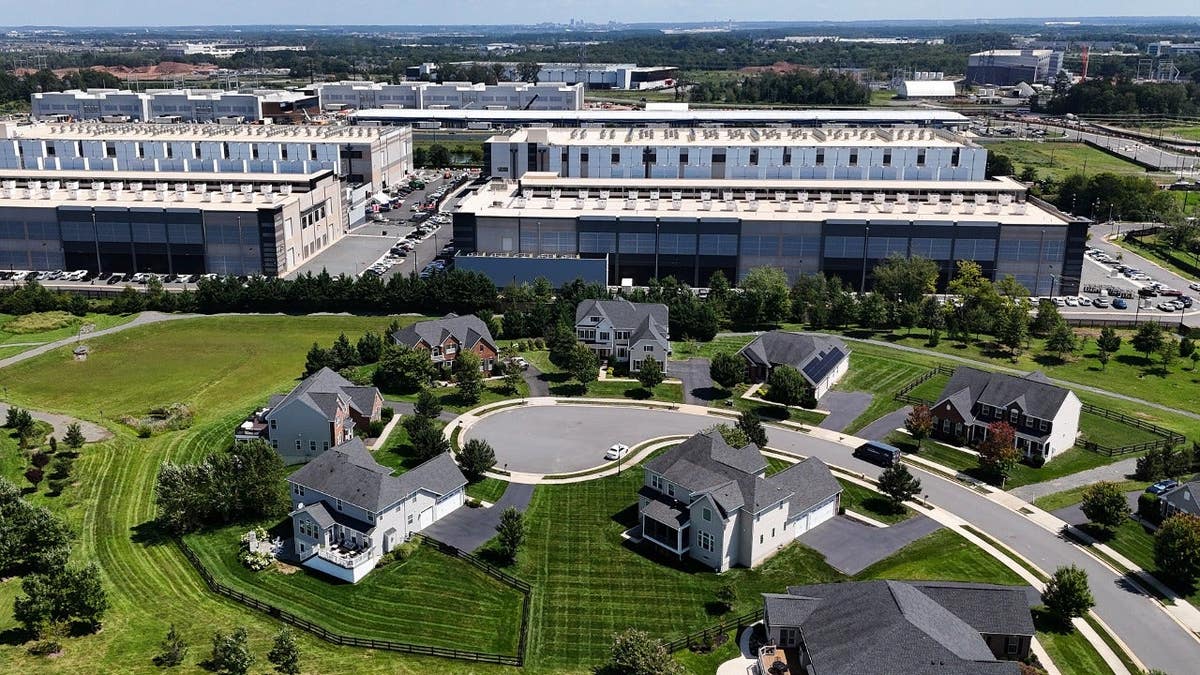
The bill also addresses concerns shared by voters nationwide related to data centers. Senator Martin Heinrich, the Democratic sponsor, advocated for clauses protecting consumers from rising costs due to data center expansion and their electricity consumption. This initiative follows Republican efforts to introduce similar measures, which Democrats previously criticized for lacking substantial enforcement.
According to Heinrich, This process will mean that we develop responsibly. It will mean more jobs. It will mean cheaper energy.
The provision involves data centers demanding at least 20 megawatts of power. It obligates them to finance the additional power needed, cover costs for constructing or upgrading facilities, and meet financial responsibilities if they leave an area with unpaid infrastructure bills. State governments may charge higher rates to ease other customers’ expenses while imposing power supply conditions.
Whether the legislation will successfully navigate the House remains uncertain. Senator Armstrong, since replacing Homeland Security Secretary Markwayne Mullin, has prioritized permitting reform. He notes bipartisan support within the House but expresses concerns over potential attendance challenges in the lower chamber.
A lot of the language that’s in here came right out of a lot of the House’s work,”
Armstrong remarked, emphasizing the importance of adequate representation during voting. So, I think there’ll be some support. I just hope we have people, you know, show up in the numbers that we need to vote for it.
Alex Miller, a writer for Fox News Digital, covers the U.S. Senate.