
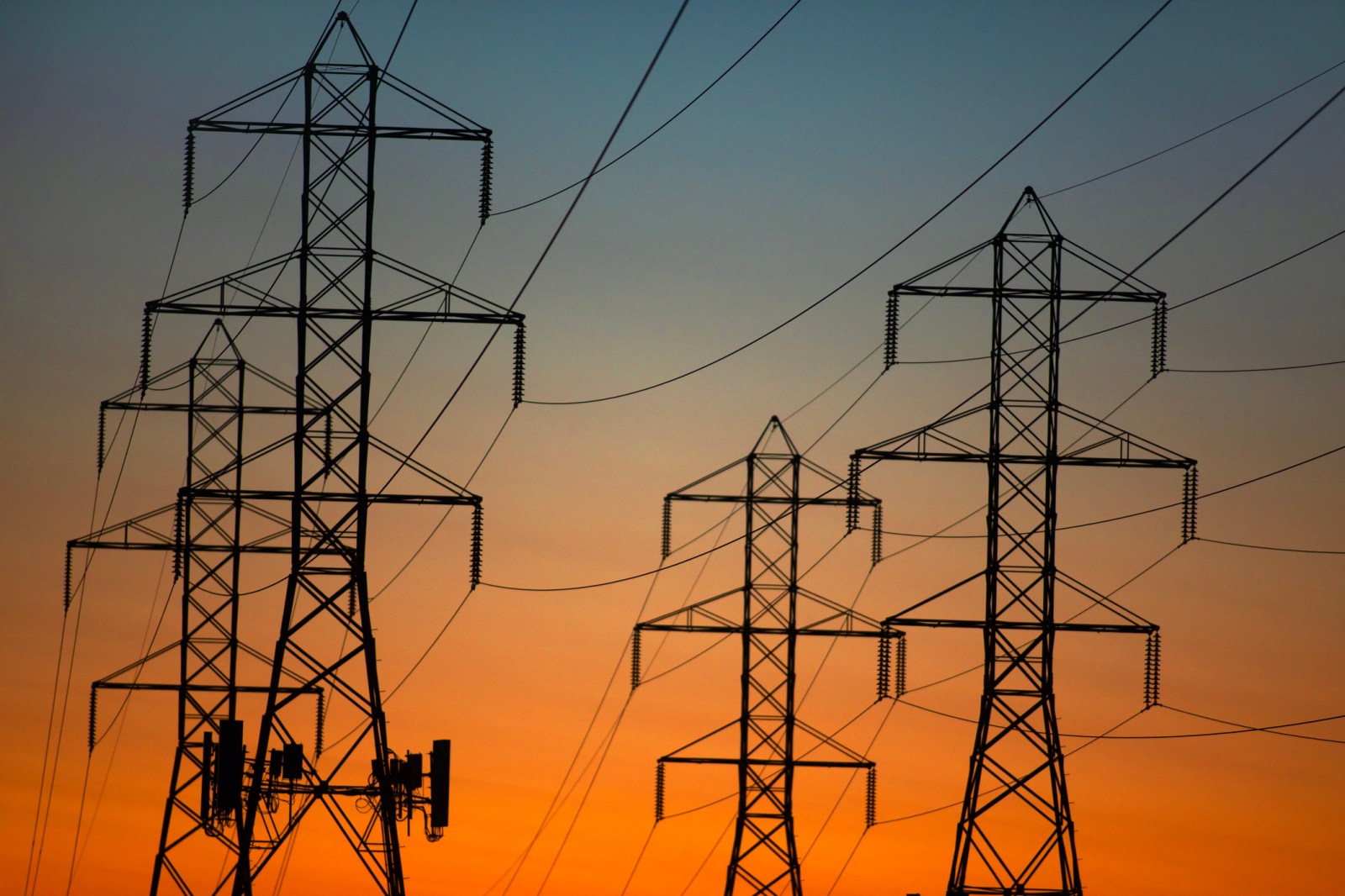
The rapid growth of data centers is adding pressure to the U.S. power grid as winter approaches. As electricity demand increases, extreme weather might strain supplies further. The North American Electric Reliability Corporation (NERC) raised these concerns in its new winter reliability assessment.
The NERC report highlights a rise in electricity demand, driven by data centers and large industrial loads. This trend, along with a strengthening El Niño climate pattern, raises the risk of extreme winter weather, which could push certain regions’ power systems closer to their limits.
“While the resource outlook has improved, the unpredictable weather of El Niño and rapid load growth present unique challenges this winter,”
NERC President and CEO Jim Robb stated in a press release. He emphasized that operators will need to use all available resources, including emergency support requests, to maintain reliable operations.
Impact on Electricity Demand
Electricity demand is expected to increase in 21 of the 23 regions assessed by NERC this winter. This reflects the widespread growth in power needs across much of North America. Data centers, alongside large industrial loads and broader electrification efforts, contribute to this demand growth.
The grid must meet this additional demand even during extreme weather conditions, when households and businesses use more electricity. Interestingly, data centers can aid during grid emergencies. If electricity supplies are short, grid operators in heavy-load areas can request customers to switch to backup generators, reducing demand and helping prevent an energy shortfall.
Regions at Risk
The NERC report identifies several North American regions that could face reliability challenges under stress this winter. Quebec, the Canadian Maritimes, and parts of the U.S. Southeast are classified as at elevated risk. New England faces concerns due to limited natural gas supplies, while parts of the central U.S. face localized transmission constraints. No region is classified as high risk.
The situation has changed since last winter, when regions like the Pacific Northwest faced elevated concerns. NERC’s assessment can fluctuate yearly as electricity demand, generation, imports, and transmission conditions change.
Fast-Paced Data Center Growth
Despite pushback from some state leaders, data center development continues to expand rapidly across the U.S. Major projects are underway in Texas, Virginia, Utah, Ohio, and Louisiana to meet the rising demand for artificial intelligence and cloud computing.
Atlanta has surpassed Northern Virginia as the country’s largest market for data centers under construction, while Texas has become a major hub in the broader data center boom.
El Niño’s Impact on the Power Grid
The greater uncertainty this winter stems from extreme weather as El Niño increases the risk of cold, ice, and storms. This is particularly concerning in southern regions less accustomed to severe winter conditions.
Extreme cold affects power grids in various ways. Electricity demand rises for heating, while freezing temperatures and ice can disrupt power plants, fuel supplies, and grid infrastructure. The risk is pronounced in southern regions that have not traditionally prepared equipment for prolonged extreme cold.
Operational Preparation
Grid operators are urged to take the winter season seriously. “I am asking everyone in the power and natural gas sectors to ensure your operations are prepared for extreme cold and ice,” Robb stated ahead of the assessment’s release. He urged all entities to ensure they are prepared, properly winterized, and actively monitoring conditions.